As temperatures across parts of the UK push toward 38°C this week, a question that would have seemed absurd a decade ago has become routine at property viewings: how hot does this house get?
Estate agents report that buyers are increasingly asking about insulation performance in summer, ventilation options, solar shading, and whether homes remain habitable during prolonged heat. British houses, designed for centuries to retain warmth, are proving stubbornly good at exactly that, even when nobody wants them to.
Agents across Essex and Suffolk have seen a marked shift in buyer priorities. For years, buyers focused on energy-efficient boilers, double glazing, insulation and south-facing gardens. As the UK experiences increasingly frequent heatwaves, cooling systems are becoming just as important.
It isn’t a rhetorical question. The UK recorded its highest ever temperature in 2022, and 2026 may well surpass it. Since then, periods of extreme heat have become more frequent, and agents across the eastern counties report a consistent increase in buyer enquiries about summer comfort.
The concerns are specific and practical. South-facing rooms becoming unbearable in July. Home offices that turn into greenhouses by early afternoon. Bedrooms too hot to sleep in. Modern, energy-efficient homes that seal heat in so effectively they become oppressive during warm spells.
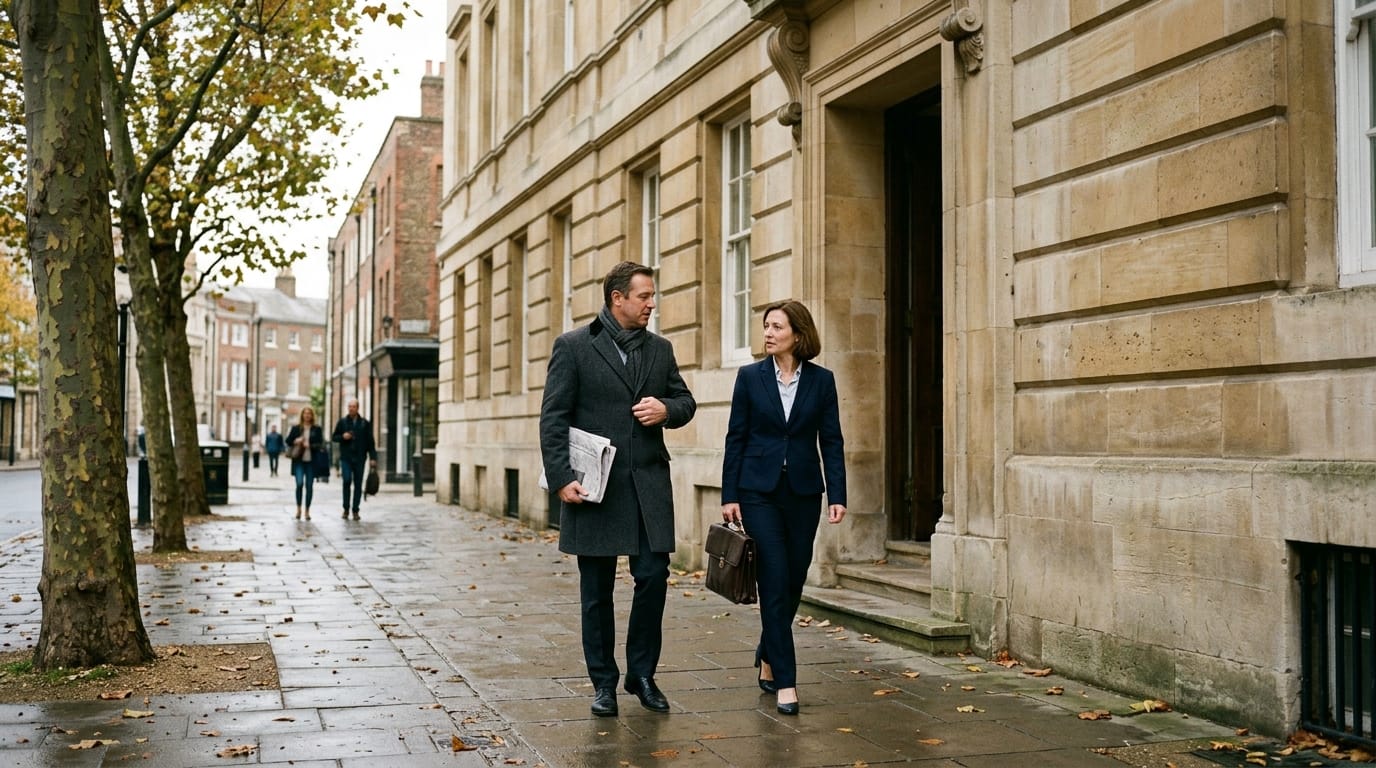
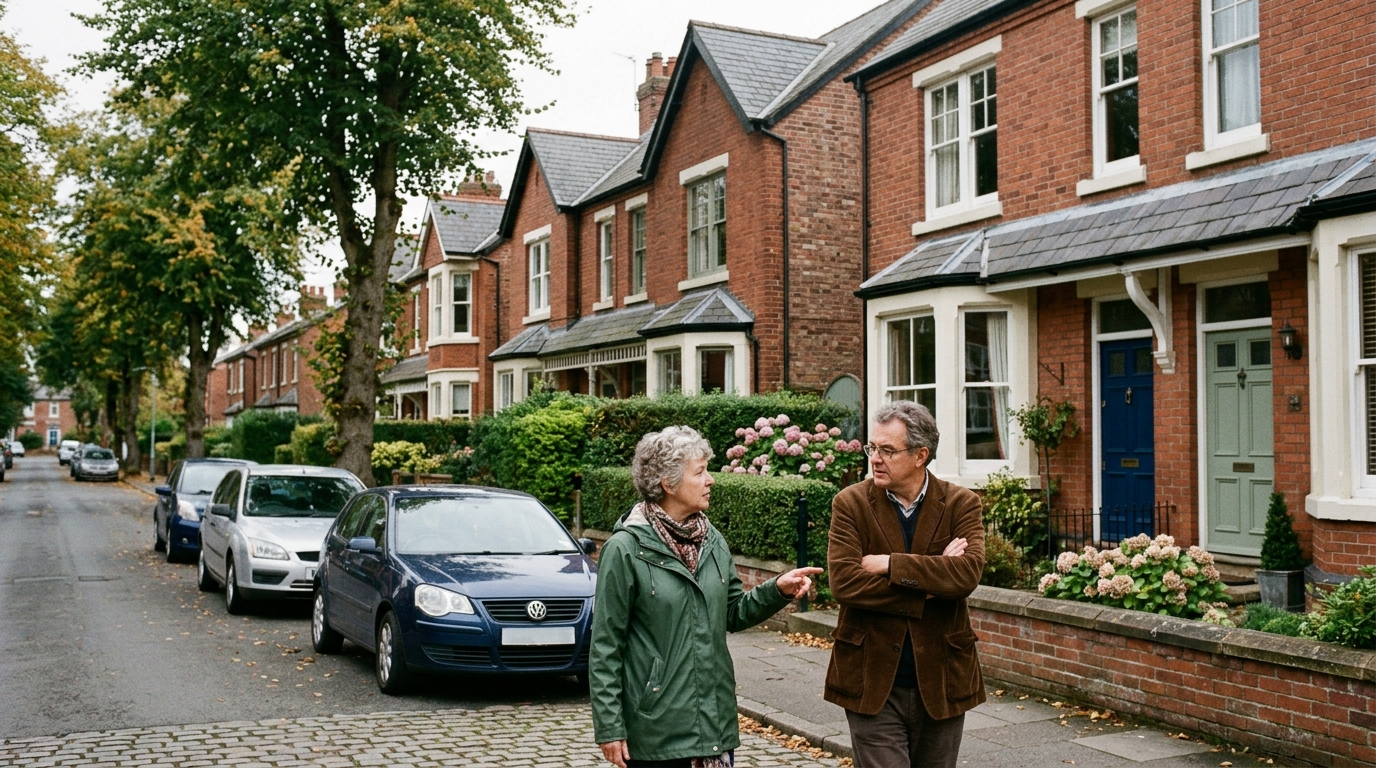
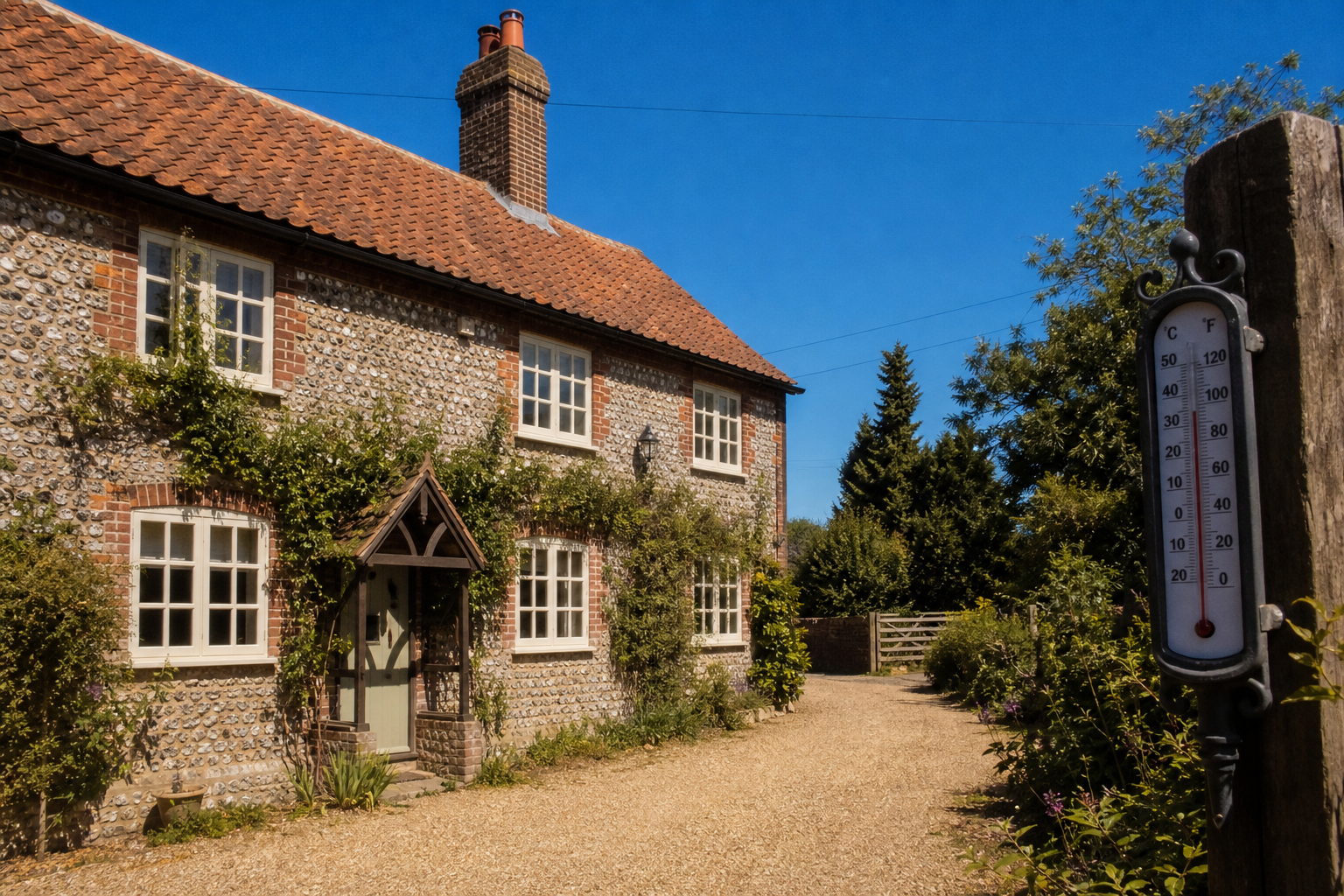
Across Norfolk and Suffolk, the picture is nuanced. The region’s older properties, Georgian townhouses in King’s Lynn, Victorian villas in Norwich, flint-built cottages along the North Norfolk coast, often perform surprisingly well in heat. Thick walls, high ceilings, and natural ventilation through sash windows provide a degree of passive cooling that modern construction rarely matches.
Newer builds are a different story. The push toward airtight, energy-efficient construction over the past two decades has produced homes that excel in winter but can become stifling in summer. A well-insulated new-build in Wymondham or Attleborough will cost less to heat, certainly, but its occupants may find themselves opening every window by June.
In my experience, the question of summer comfort is increasingly relevant at the upper end of the market. Buyers spending £750,000 or more on a country house expect year-round comfort, and they’re right to ask about it.
The honest answer, for now, is: not directly. The industry consensus is that air conditioning is unlikely to add a significant amount to a property’s valuation on its own. But there is an important caveat: it can make a property stand out from competing homes, particularly at the upper end of the market.
That distinction matters. In a competitive market where two comparable properties are vying for the same buyer, the one with a properly cooled principal bedroom and home office leaves a materially different impression during a July viewing. Comfort sells, even when it doesn’t technically add to the surveyor’s figure.
Across Essex and Suffolk, more homeowners are installing air conditioning units, particularly in loft conversions, garden offices, new-build homes and principal bedrooms. It’s a trend that aligns with what I’m seeing locally. Garden rooms and home offices, which became near-essential during the pandemic years, are often the first spaces to get climate control fitted.
Beyond air conditioning, several technologies are likely to become more influential in property decisions over the coming decade. Air source heat pumps with cooling capability offer dual-season value. Solar shading, whether architectural or retro-fitted, addresses the problem at source. Smart climate control systems that manage temperature room by room are already standard in high-specification new builds.
For period property owners, the options are different but no less important. External shutters, increasingly popular in conservation areas across North Norfolk, provide effective shading without altering a building’s character. Ceiling fans, once considered vaguely colonial, are appearing in farmhouse kitchens and bedrooms across the region. Even the simple decision to paint south-facing walls in lighter colours can make a measurable difference.
Norfolk and Suffolk do benefit from one natural advantage that’s easily overlooked. Coastal breezes along the North Norfolk coast, from Wells-next-the-Sea through to Cromer, provide natural cooling that inland areas lack. Properties within a few miles of the coast typically sit several degrees below inland temperatures during heatwaves. It isn’t something sellers tend to think about marketing, but perhaps they should.
The Broads, too, benefit from the moderating effect of water, and properties along river valleys in areas like Wroxham and Beccles often enjoy natural airflow that built-up areas cannot replicate.
This week’s temperatures won’t be the last time we have this conversation. The trajectory is clear, and the property market is adjusting accordingly. Sellers preparing homes for market during summer months should think carefully about how their property performs in heat, and be ready to answer questions about it.
Buyers, meanwhile, would do well to schedule at least one viewing during the hottest part of the day. A house that feels cool and airy at 2pm in July tells you something that no floor plan or EPC rating can. The question “how hot does this house get?” isn’t going away. If anything, it’s only going to get louder.