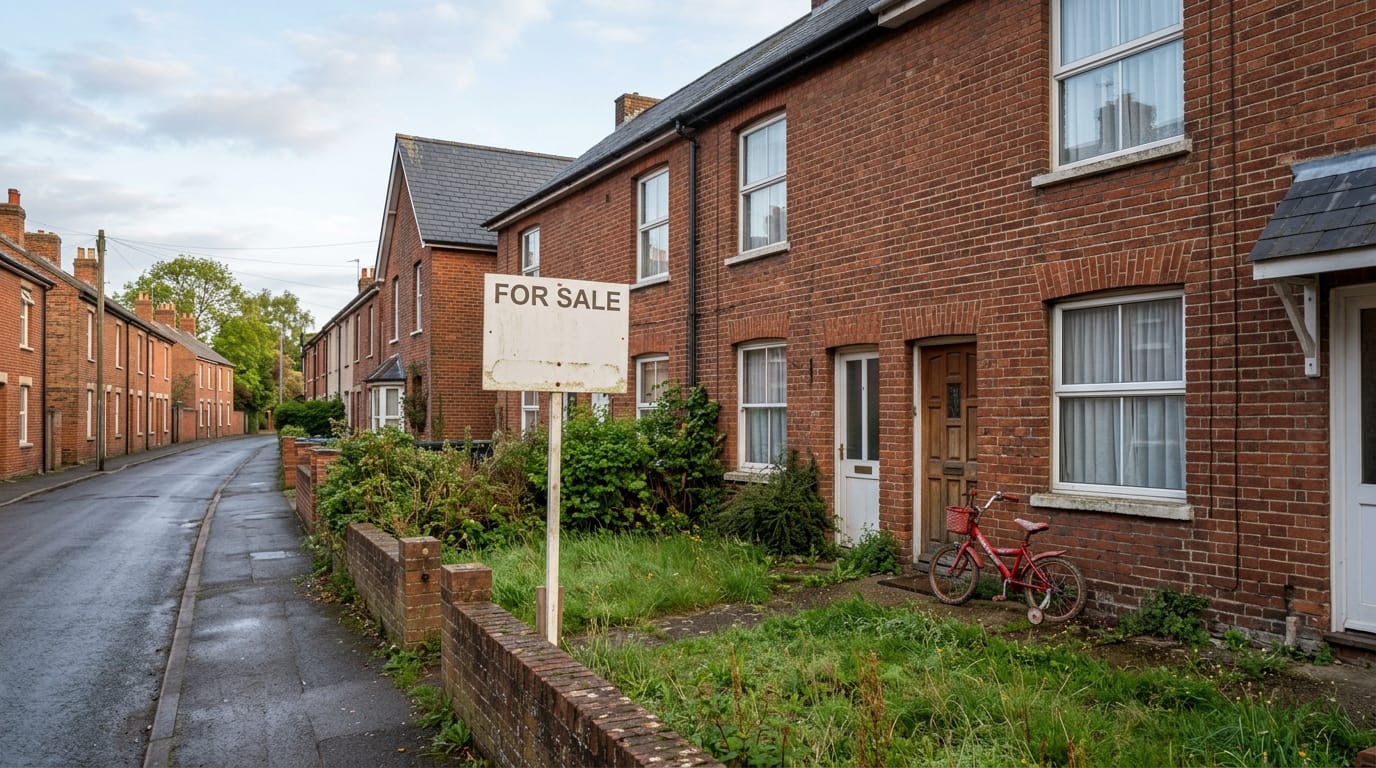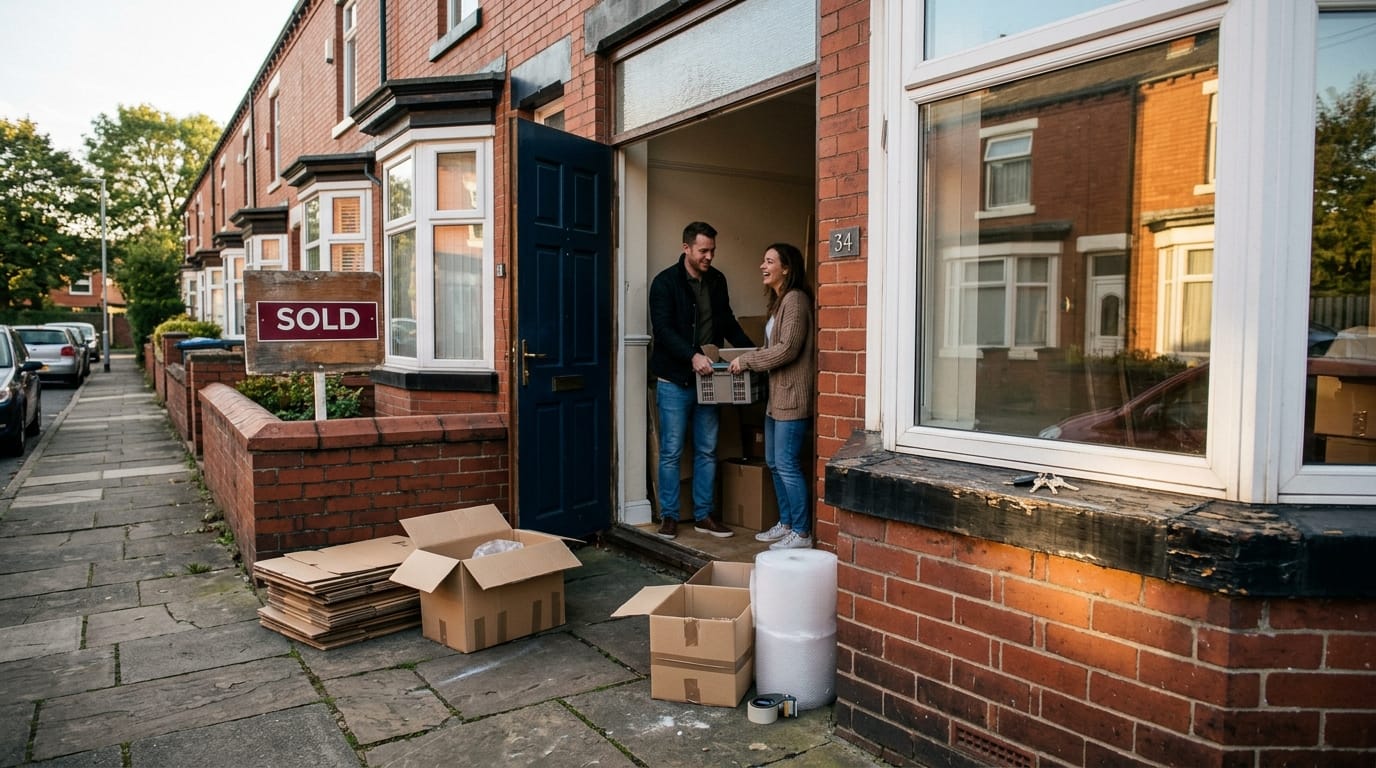
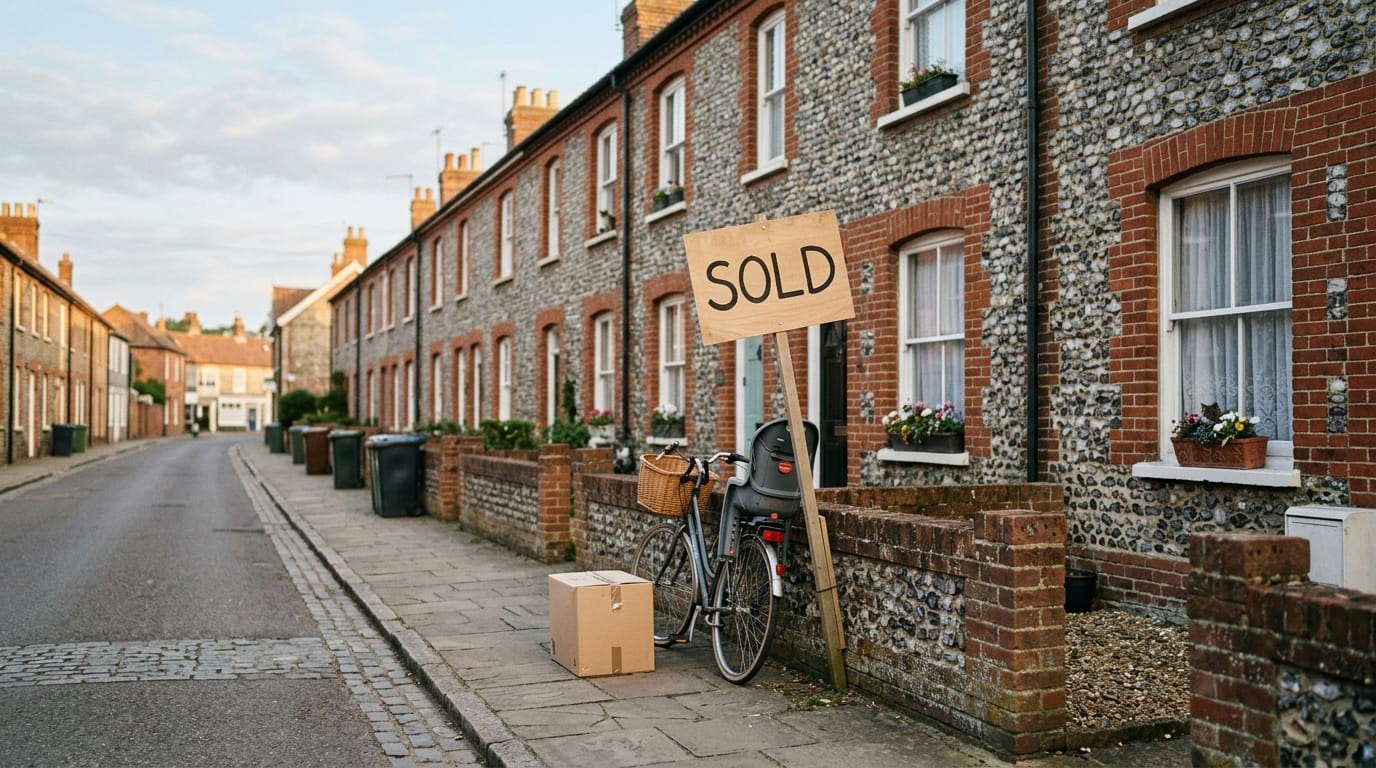

A decade and a half after the financial crisis all but killed them off, 100% mortgages are staging a quiet comeback. Metro Bank this week launched a deal allowing eligible first-time buyers to borrow the full purchase price of a property, joining Skipton Building Society and a growing cluster of lenders prepared to lend at 99% or above.
The shift is significant. For much of the past fifteen years, putting together a deposit has been the single biggest obstacle facing first-time buyers. In Norfolk, where the average first-time buyer property sits around the £250,000 to £300,000 mark, a conventional 10% deposit means finding £25,000 to £30,000 before a lender will even begin a conversation.
That barrier is now being chipped away from multiple angles.
The new Metro Bank product is a joint borrower, sole proprietor (JBSP) mortgage. It allows a first-time buyer to add an immediate family member to the mortgage application without making them a legal owner of the property. The lender factors in both incomes when assessing affordability, and the combined borrowing can stretch to 100% of the property’s value. The deal is a five-year fix at 6.99%, with a maximum loan of £675,000.
That rate isn’t cheap. But the point isn’t the rate. It’s the door it opens.
Skipton Building Society has offered a 100% deal for some time, aimed specifically at current and recent renters. Its five-year fix starts at 5.55% on loans up to £600,000. Yorkshire Building Society sits just behind at 99% LTV with a rate of 6.44% and a £495,000 cap.
Then there’s Lloyds, which in May launched a mortgage requiring a minimum deposit of just £5,000. On a £250,000 property, that’s a loan-to-value ratio above 98%. The five-year fixed rate is 5.89%, though borrowing is capped at £300,000. The same deal is available through Halifax and mortgage brokers.
Santander offers a similar product at up to 98% LTV. Its five-year fix currently sits at 5.49% with a minimum deposit of £10,000 and a maximum loan of £500,000.
There’s an obvious trade-off. Buyers borrowing at 95% LTV through a standard deal can currently secure two-year fixes from around 5.05% and five-year fixes from about 4.95%. Step up to 98% or 100%, and you’re paying a premium of anywhere between 0.50 and 2.00 percentage points.
On a £250,000 mortgage, the difference between 4.95% and 6.99% amounts to roughly £250 extra per month. Over a five-year fixed term, that’s around £15,000 in additional interest. It isn’t a trivial sum.
David Hollingworth at the broker L&C Mortgages told the Guardian that some first-time buyers may be better off continuing to save for a deposit so they can access a lower rate through a standard product. “But for those who feel as if they are treading water paying rent, being able to put down as little as £5,000 could make home ownership a much more achievable option,” he said.
The resurgence of high-LTV lending reflects a broader loosening across the mortgage market. Over the past twelve months, lenders have been relaxing affordability rules, expanding income multiples, and competing hard for first-time buyer business.
Products offering six times income have quadrupled in number over the past year. JBSP arrangements, where a parent or family member bolsters the application, are seeing what broker Doug Miller at Lansdown Financial Services described as “a significant increase in demand” as affordability has become more stretched.
Competition among lenders is fierce. With the purchase market still below its pre-pandemic peak, banks and building societies are hunting for volume. Attracting first-time buyers with headline-grabbing products is one way to do it.
The practical implications for buyers in this region are worth spelling out. Norfolk and Suffolk sit in a relative sweet spot for these products. Average prices are high enough to make deposits genuinely painful to save, but low enough that the borrowing caps on most of these deals aren’t a barrier.
The Lloyds £300,000 cap covers a substantial portion of the first-time buyer market in Norwich, Great Yarmouth, King’s Lynn, and Thetford. The Skipton and Santander products, with caps at £600,000 and £500,000 respectively, would comfortably stretch to cover properties across the entire region, including the higher-priced coastal and rural markets of Burnham Market, Holt, and Southwold.
A first-time buyer looking at a £275,000 terrace in Norwich, for example, could now approach Lloyds with just £5,000 in savings. Two years ago, the minimum expectation would have been closer to £14,000.
Lenders withdrew 100% mortgages after 2008 for a reason. Borrowers with no equity cushion are immediately exposed if property values fall. A 5% decline on a £275,000 purchase leaves the buyer owing nearly £14,000 more than their home is worth.
JBSP arrangements carry their own complications. Everyone named on the mortgage shares legal responsibility for repayments. If the primary borrower can’t pay, the family member is on the hook. Relationships, finances, and circumstances all change over the course of a five-year fix.
Lenders have built in safeguards that didn’t exist in 2007. Stricter affordability assessments, stress testing at higher rates, and caps on maximum borrowing all make today’s high-LTV products fundamentally different from the self-cert, interest-only deals that fuelled the last housing bubble. But the underlying risk of negative equity hasn’t been engineered away.
What’s happening here is more than a handful of niche products. The direction of travel across the mortgage market is clearly towards making it easier for first-time buyers to get on the ladder with less upfront capital.
Whether that’s healthy depends on your perspective. For a generation locked out of ownership by deposit requirements that have grown far faster than wages, these products represent a genuine route in. For market sceptics, they represent lenders taking on more risk to chase volume in a sluggish purchase market.
The truth is probably somewhere between the two. These deals won’t suit everyone. Buyers who can afford to wait and save a larger deposit will get better rates and more equity from day one. But for those watching rents consume the money they’d otherwise be saving, the calculation has changed.
With multiple high street lenders now competing in this space, the trend shows no sign of reversing. The question for Norfolk and Suffolk buyers isn’t whether no-deposit mortgages exist. It’s whether the premium they carry is a price worth paying to stop renting and start building equity.
For many, it will be.