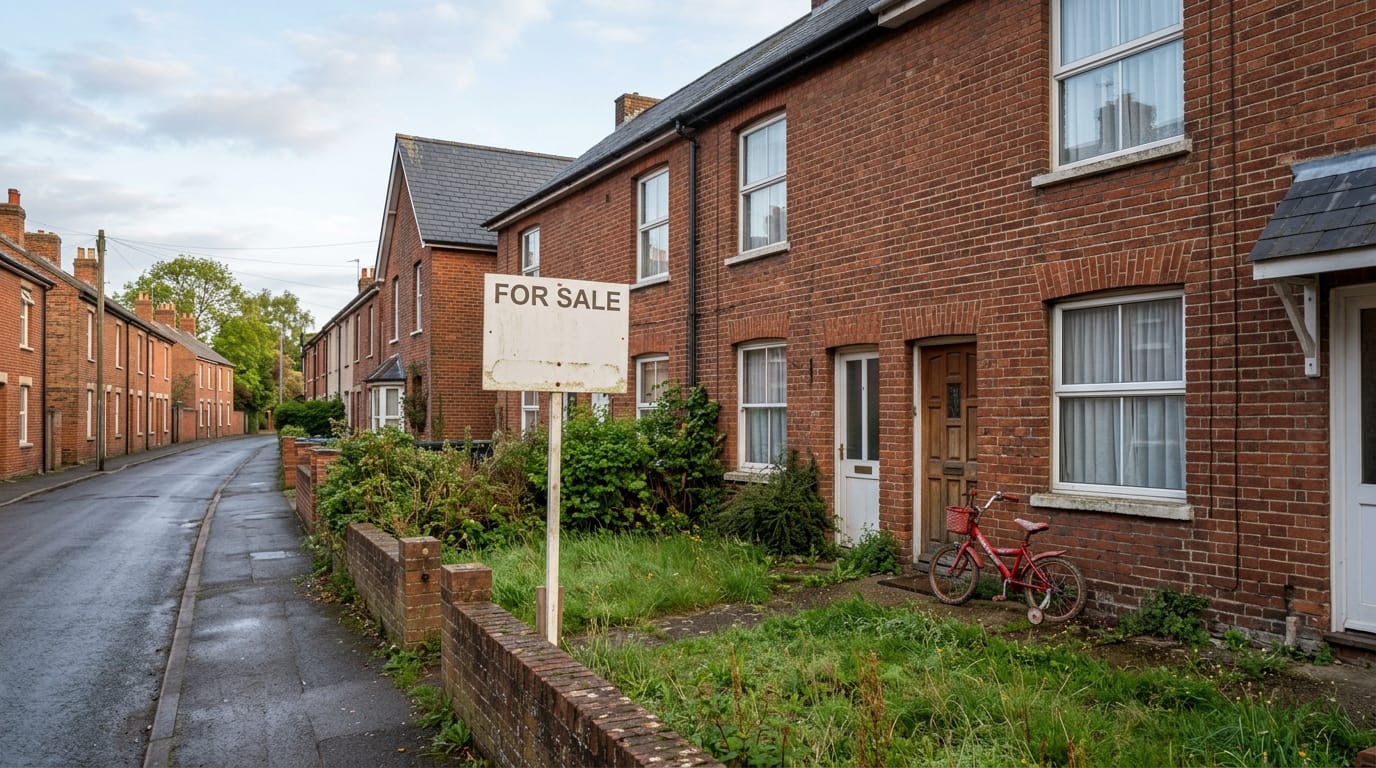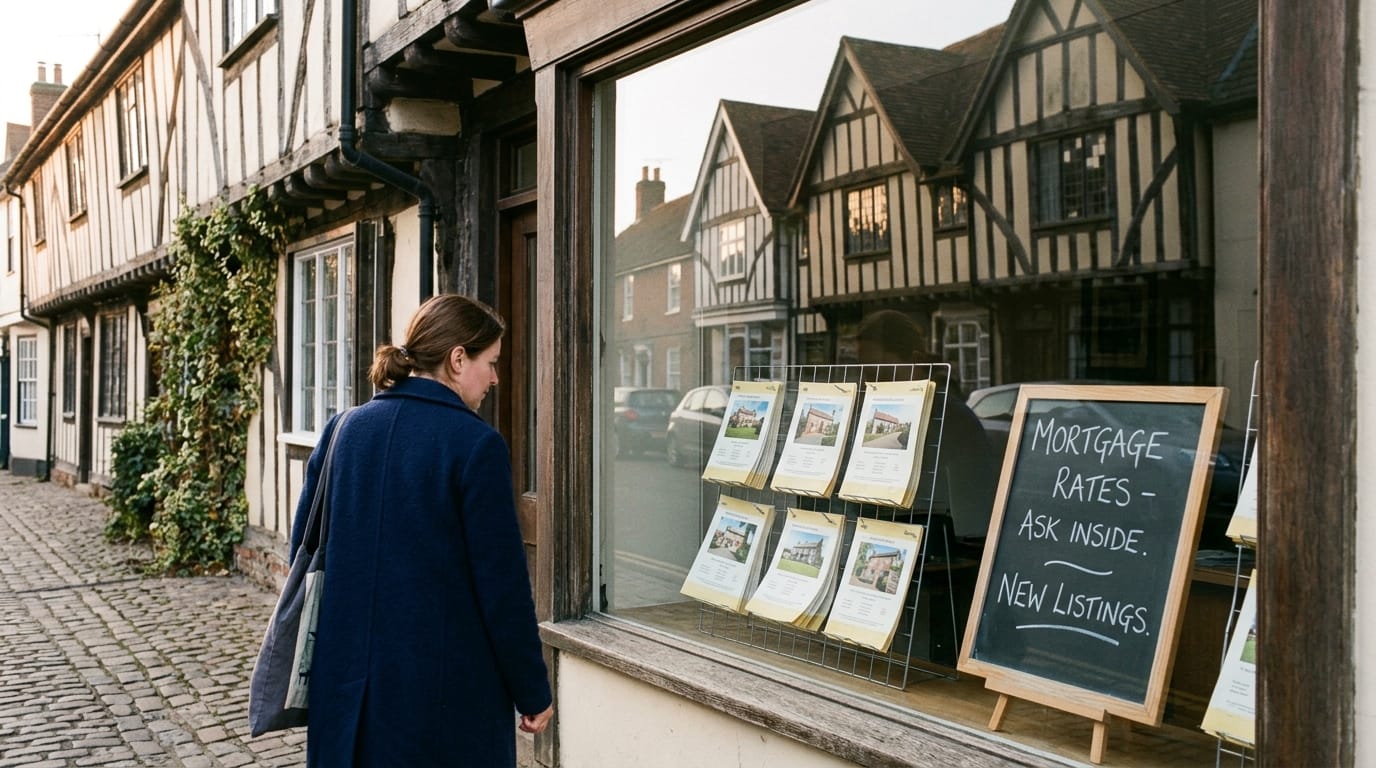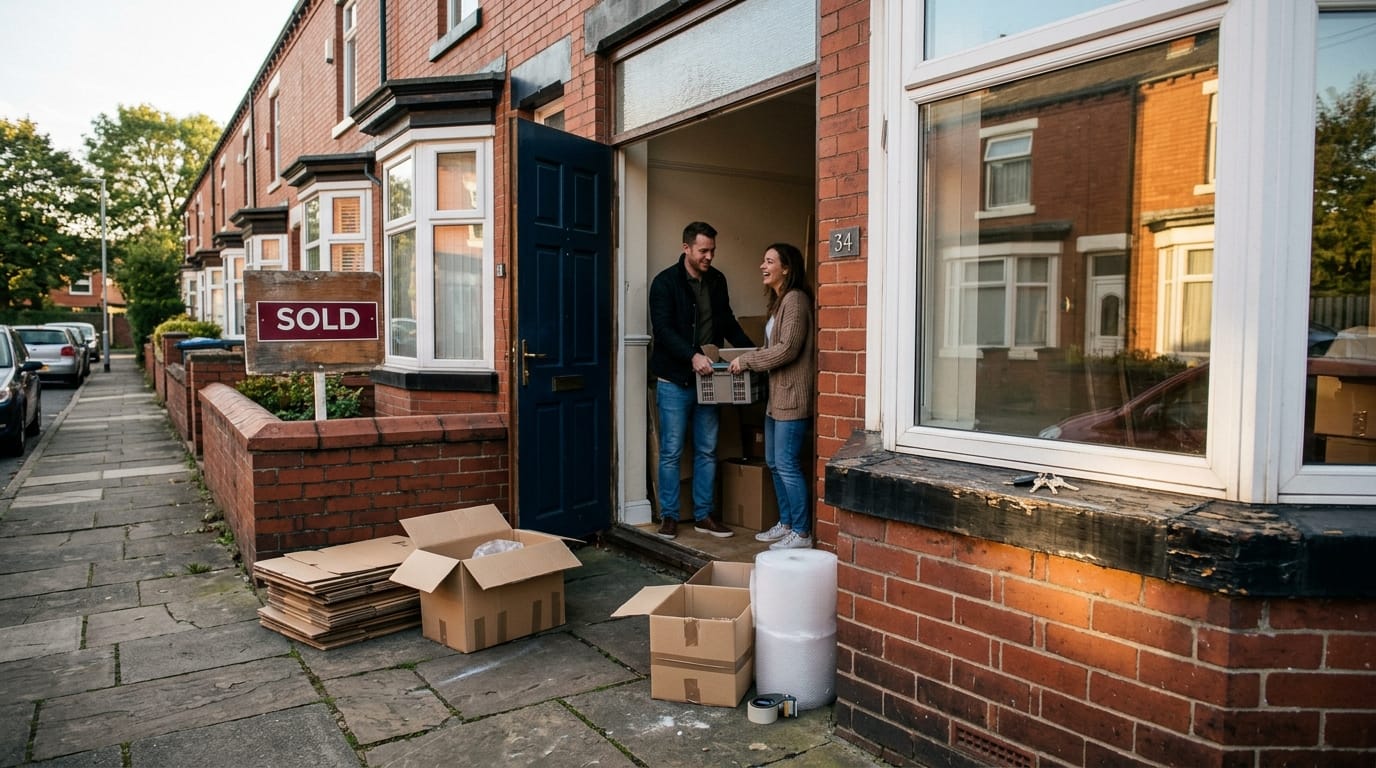
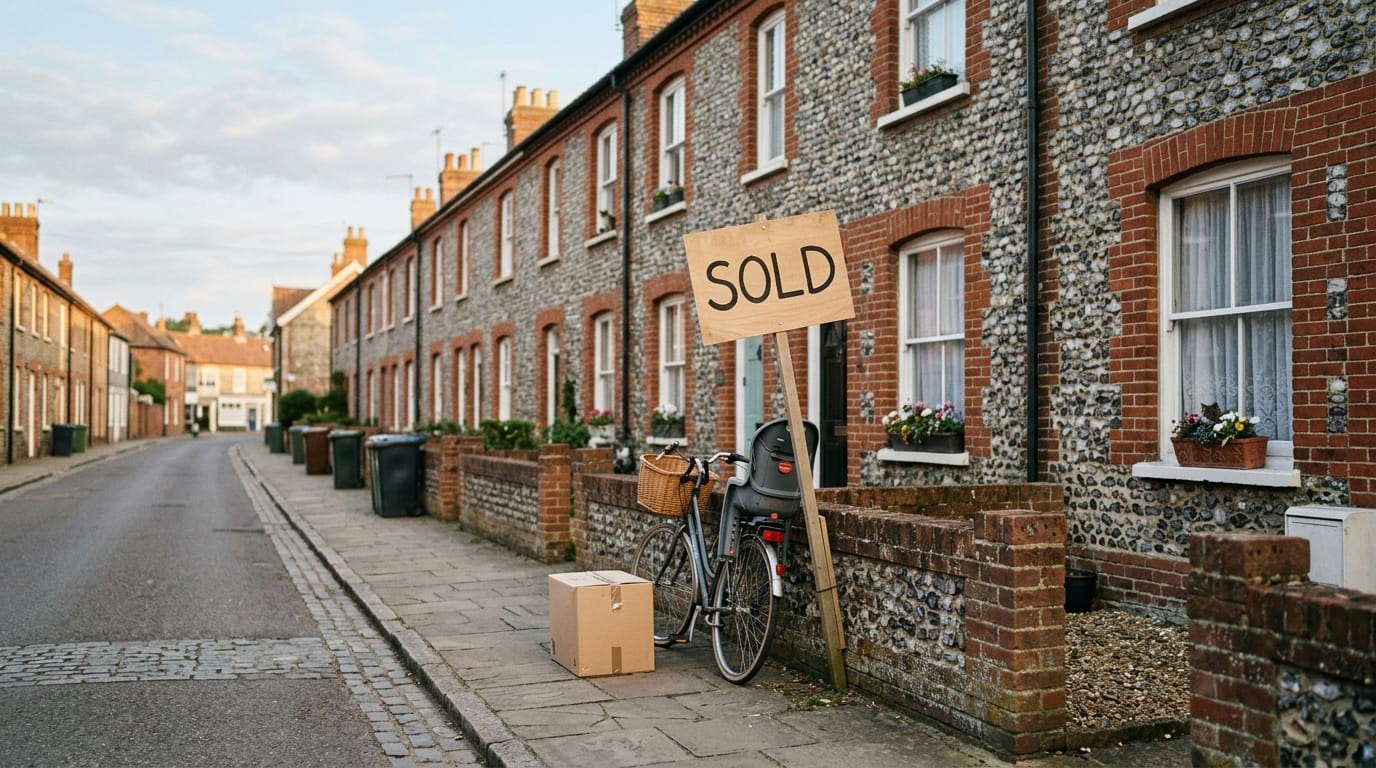
Only 31 per cent of Britons now expect house prices to rise over the next twelve months. That figure stood at 51 per cent as recently as last September, according to property portal On The Market. The shift tells a clear story: the era of effortless price growth is over, and sellers who haven’t absorbed that message are paying a heavy price in time, stress and lost value.
Prices rose by just 0.6 per cent in the year to the end of June, the latest Lloyds Bank figures show. Sales agreed are running 7 per cent below last year’s levels, with buyer demand down 15 per cent year on year. Three in five homes listed since January are still waiting for a buyer.
The picture is stark, but it isn’t simply a demand problem.
Zoopla’s analysis of more than two million listings found that 44 per cent of homes put on the market between 2023 and 2026 failed to sell at all. Among those that did sell, 53 per cent required at least one asking price reduction before a buyer was found. In the first quarter of this year, the average home sold for 3.5 per cent below its asking price, a discount of roughly £18,800.
The data highlights a critical window that many sellers miss entirely. Almost 42 per cent of all UK property sales are agreed within the first four weeks of listing. After twelve weeks on the market without an offer, the probability of finding a buyer drops to just 14.5 per cent.
Homes that eventually require a price cut take, on average, 2.4 times longer to sell than those priced correctly from day one.
“We are seeing a market where buyers have more choice than at any point in over a decade, and yet too many sellers are still pricing as if it were 2022 or 2021, when demand was at its absolute peak,” says Josh Endacott, a London estate agent. “People base their asking price on what they need for their next move, or on what a neighbour got three years ago, rather than what the current market will actually support.”
The psychological damage of overpricing extends well beyond the initial weeks. A property that lingers on the portals for months picks up a stigma that’s difficult to shake. Buyers assume something must be wrong with it. When the inevitable price reduction comes, it often fails to generate the same level of interest that a correctly priced launch would have attracted.
Zoopla’s research confirms the arithmetic: for every 5 per cent a home is priced above the local market average for comparable properties, the odds of selling fall by roughly 5 per cent. Price at 10 per cent above the going rate and the chances of a sale are cut by 10 per cent.
Competitively priced homes, on the other hand, often attract multiple interested buyers, raising the prospect of competitive bidding that can push the final sale price upward.
The temptation to overprice is particularly acute in parts of Norfolk and Suffolk that saw sharp growth during the pandemic. Coastal villages and market towns from Burnham Market to Southwold attracted a wave of buyers during the “race for space” years of 2020 and 2021, pushing prices well above long-term trend levels.
Some sellers in these areas are still anchoring their expectations to those pandemic-era peaks. That’s a mistake. The buyers arriving in 2026 face mortgage rates significantly higher than two years ago, and they’re doing their homework. They can see what similar properties have actually sold for, and they won’t pay a premium driven by nostalgia for a market that no longer exists.
In Norwich, where transaction volumes have held up better than in some southern markets, realistic pricing from the outset remains the clearest path to a timely sale. The same applies across King’s Lynn, Great Yarmouth and the wider county. The Ivybridge Collection’s 324-location property market reports give sellers the granular, street-level data needed to understand what their home is genuinely worth in current conditions.
There are some encouraging signals. Jason Tebb, president of On The Market, notes that the gap between buyer and seller expectations is beginning to narrow. “The property market works most effectively when buyers and sellers share realistic expectations, and it’s encouraging to see that gap narrowing,” he says. “As expectations become more aligned with market conditions, we should see more properties priced appropriately from the outset.”
Richard Donnell, executive director at Zoopla, points to a generational factor. “The average homeowner selling in 2025 had been in their home for nine years,” he says, “meaning many owners are out of touch with what their home may be worth.”
The lesson from the data is unambiguous. Sellers who price honestly from the start sell faster, experience less stress and often achieve a better final price than those who start high and chase the market down.
Nathan Emerson, chief executive of industry body Propertymark, captures the mood well: “Property professionals are continuing to see healthy levels of enquiries and viewings, but many buyers are taking longer to commit and are carrying out more research before making an offer.”
The market isn’t broken. Correctly priced homes are selling. But the homes gathering dust on the portals share a common trait: an asking price that belongs to a different year.