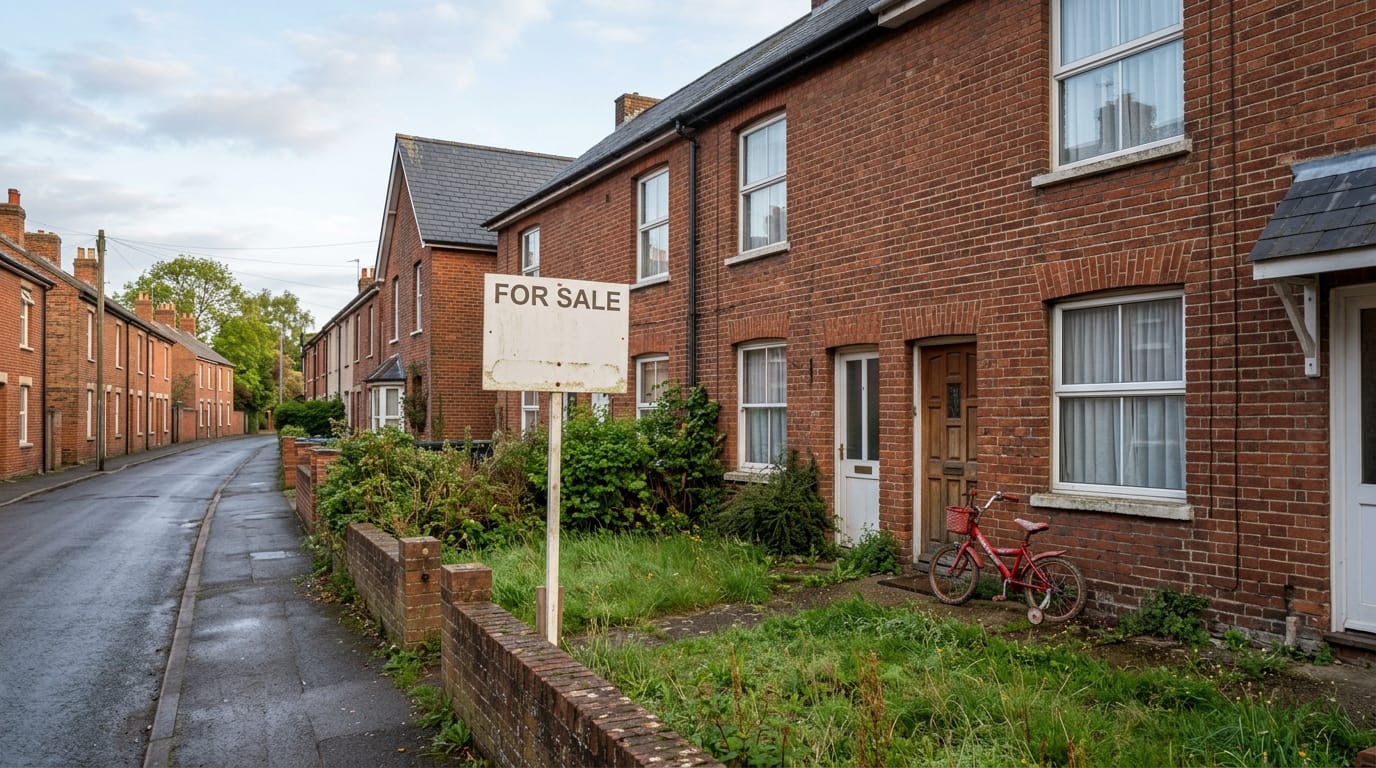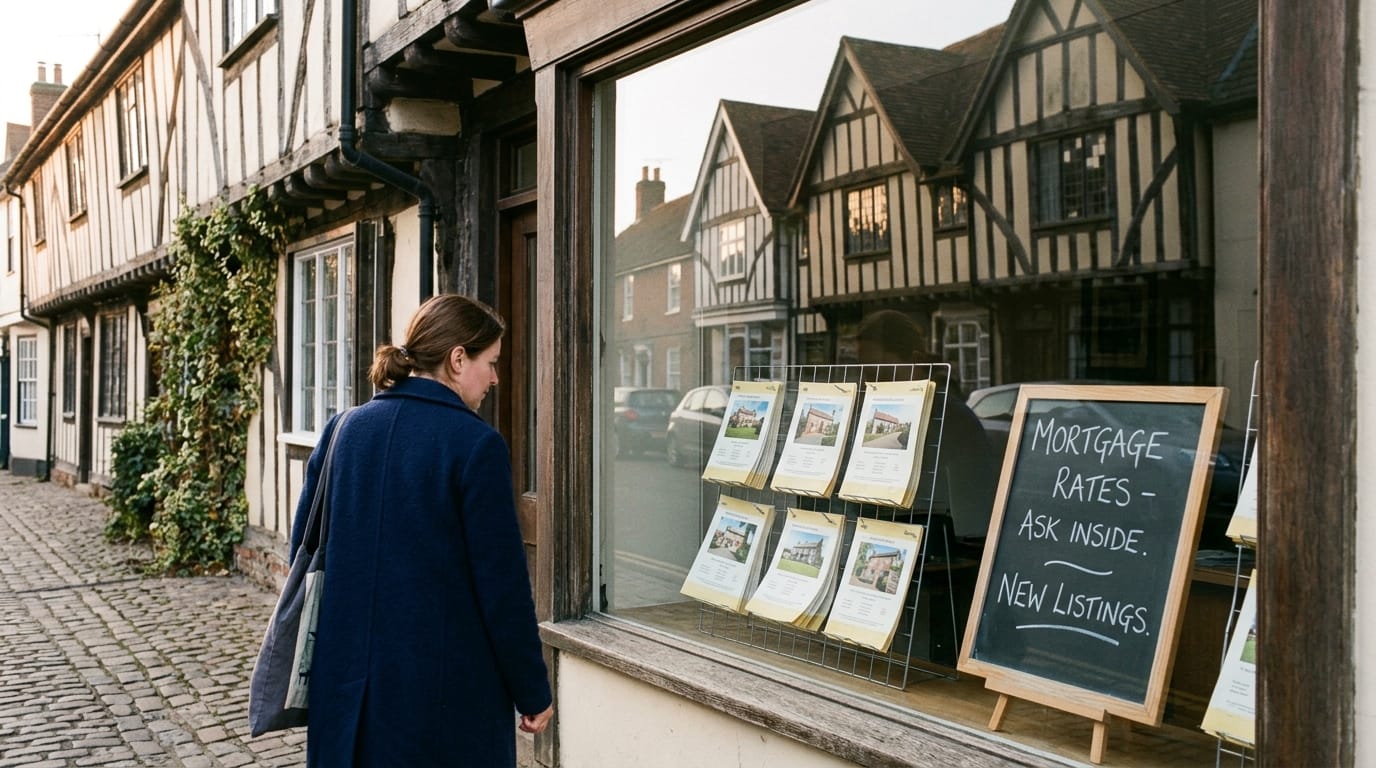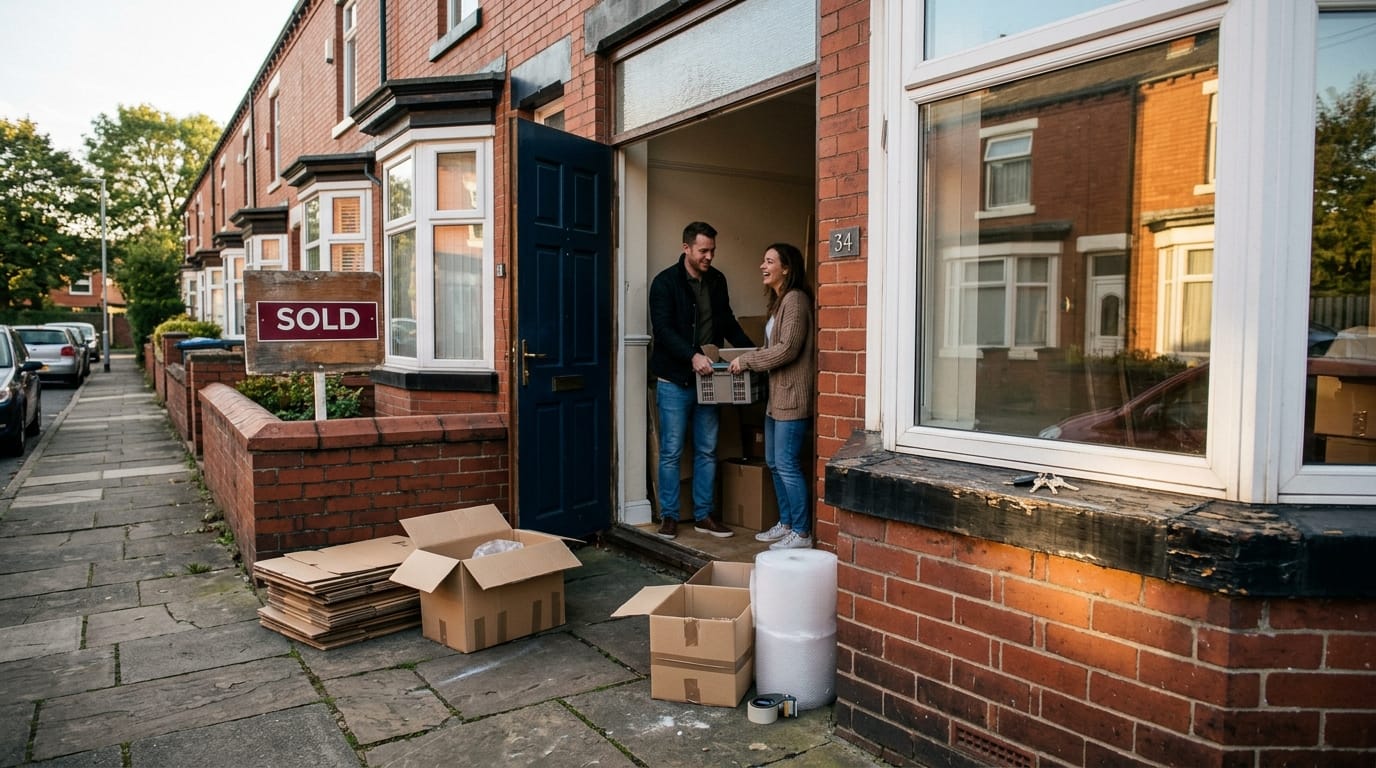
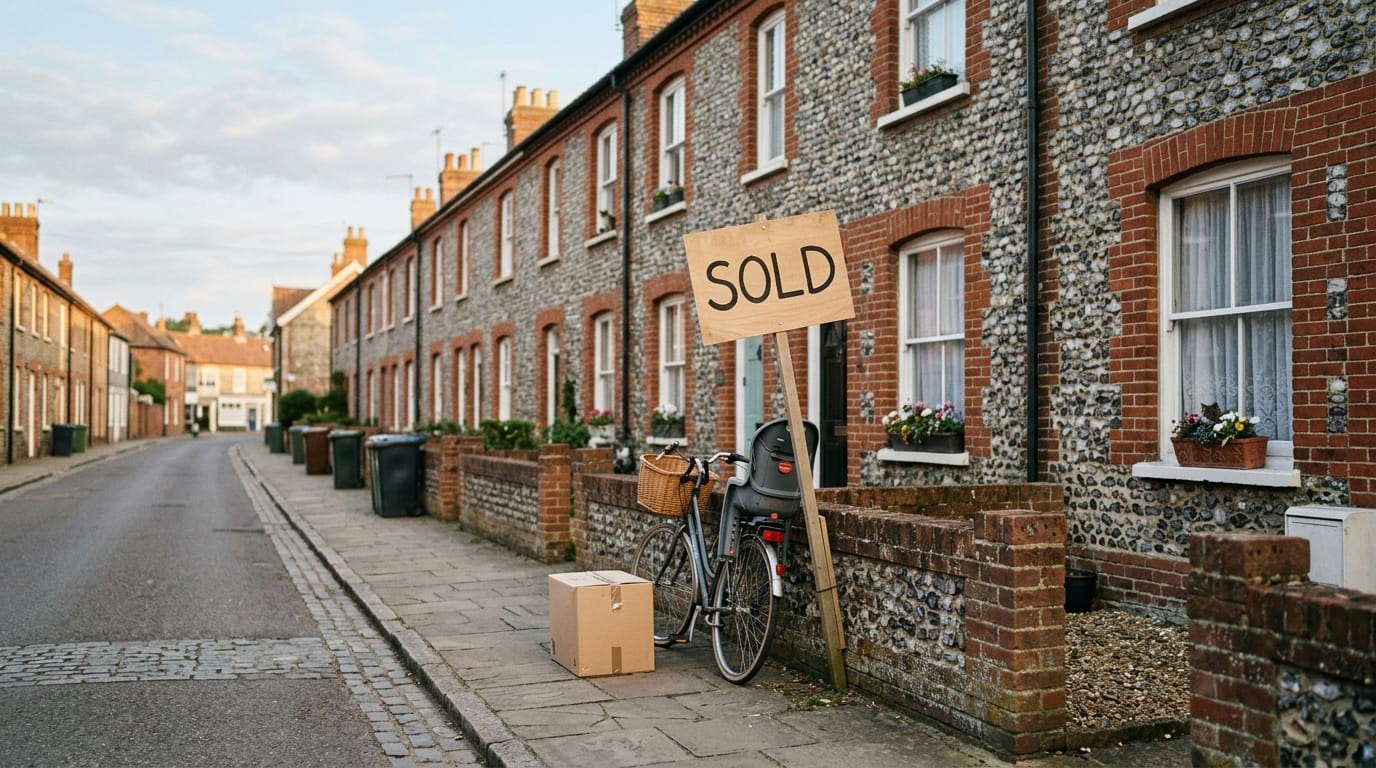
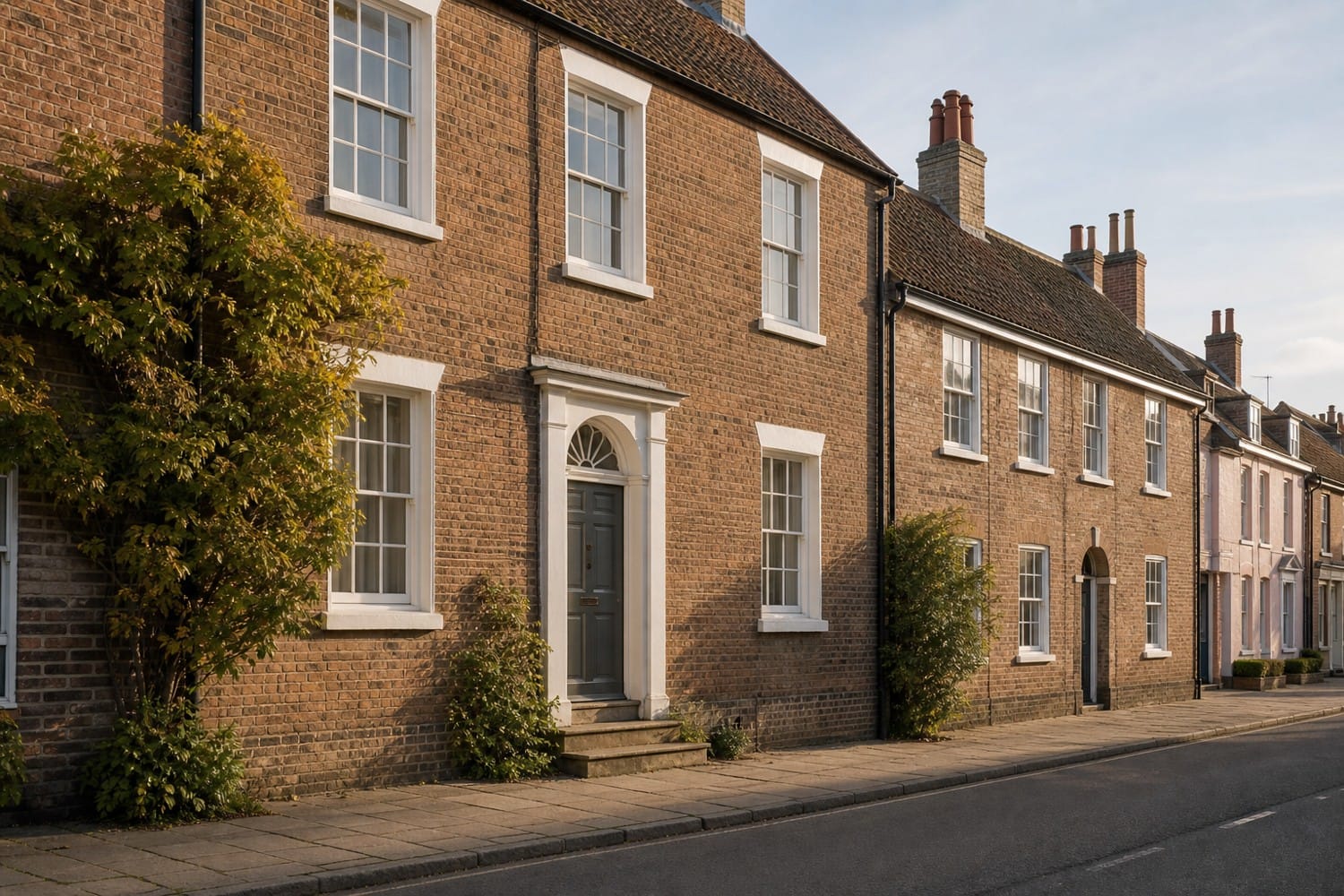
More than a third of homes listed for sale in Britain over the past year needed a price cut before they found a buyer, and the average reduction was £34,000. That figure comes from analysis of 887,882 completed sales across England and Wales between 2023 and 2025, published this week by quick-sale buying firm We Buy Any Home, and it points to a habit that has crept back into the market: putting a number on the board and hoping the market grows into it.
The scale of the shift is what stands out. In 2023, just 8.1% of listings required at least one reduction. In the last year that share reached 36.2%.
The research puts a price on repeat cutting. Every additional reduction costs a seller roughly £12,000, and properties reduced three times or more spend around ten extra weeks on the market. Against a national median value of £298,500, a £34,000 correction is a little over 11% of the asking price. That’s not fine tuning. That’s a valuation that was wrong at launch.
Elliot Castle, chief executive of the firm, was blunt about where the responsibility sits. “House prices surged in 2020 and 2021 and many homeowners expected this trend to continue,” he said. “But demand has softened and anyone with a home on the market at the moment knows the reality. It’s difficult out there.” His sharper point followed: “Our research shows optimistic agents are taking instructions and letting vendors see the realities of the market themselves, which often means a huge impact in the eventual agreed sale price. Homes that are overpriced are languishing on the market for longer than those that are priced correctly to begin with, and it’s the sellers who are paying for it, not the agents.”
The mechanism he describes is well understood by anyone who has watched a listing go stale. “The first three weeks on the market are crucial,” Castle said. “That’s when listings attract the most attention online and buyers who are waiting for something new are ready to spring into action. If you price too high, you miss that window.”
In the £750,000-plus bracket across Norfolk and Suffolk, the pool of qualified buyers for any given house is small and largely known. A barn conversion outside Holt, a Georgian townhouse in Norwich, a coastal house near Southwold: these do not attract a rolling tide of new interest week after week. They attract the buyers who are already looking, and those buyers see the launch price once. If it reads as ambitious, they move on, and they remember.
By the time the price comes down, the audience that mattered most has already formed a view. Worse, a visible reduction changes the negotiation before it starts. “When buyers see a reduction they assume there’s further room to haggle,” Castle said. That is precisely what happens: the discount invites a second discount.
The most overpriced location in the UK last year, on the firm’s measure, was Colyton in Devon, where the gap between average first listed price and eventual sold price ran to 16.02%. Village markets are especially prone to this. Where only a handful of houses trade in a year, there’s no recent run of comparable evidence to anchor a figure, and one exceptional sale from two years ago becomes the reference point for everything that follows.
That’s the problem our 324 local property market reports exist to solve. Sale prices, listing behaviour and how long stock is actually sitting, at street and postcode sector level, rather than a county average that flattens the differences between a market town and the coast eight miles away.
Separate research published this week by a national franchise agency network put a figure on the other end of the same problem. Collapsed prime transactions cost sellers around four months of wasted time and typically reduce the eventual sale price by about 3%. On a property just under £670,000, that’s roughly £20,000, and considerably more at higher values.
The same report recommended what experienced sellers increasingly do as a matter of course: prepare the legal pack before launching, instruct solicitors the moment an offer is accepted, and keep pressure on the conveyancing chain throughout. Given that sales in the East of England are now taking well over 200 days from listing to completion, momentum is the asset most worth protecting.
There’s a persistent confusion here. Pricing accurately is not the same as pricing low. A correctly priced house at the top of its evidenced range, launched with proper photography and a legal pack ready, will often achieve more than an inflated listing that limps to a sale eight months later after three reductions. The seller who resists the flattering valuation usually ends up with more money in less time.
The uncomfortable part for the industry is that overpricing is a business model for some. Winning the instruction with the highest number, then managing the vendor down over months, transfers the cost of an error from the agent to the client.
Any valuation should come with its evidence. Which comparable sales support this figure, what were their completion dates, how do they differ from this house, and how many of them actually completed rather than merely being listed at that level? A valuer who can answer those questions confidently is worth listening to. One who cannot is quoting a number designed to win a beauty contest.
Autumn tends to bring a fresh wave of instructions across Norfolk and Suffolk from sellers who missed the summer. The houses that trade well between now and Christmas will overwhelmingly be the ones launched at a defensible number, first time.