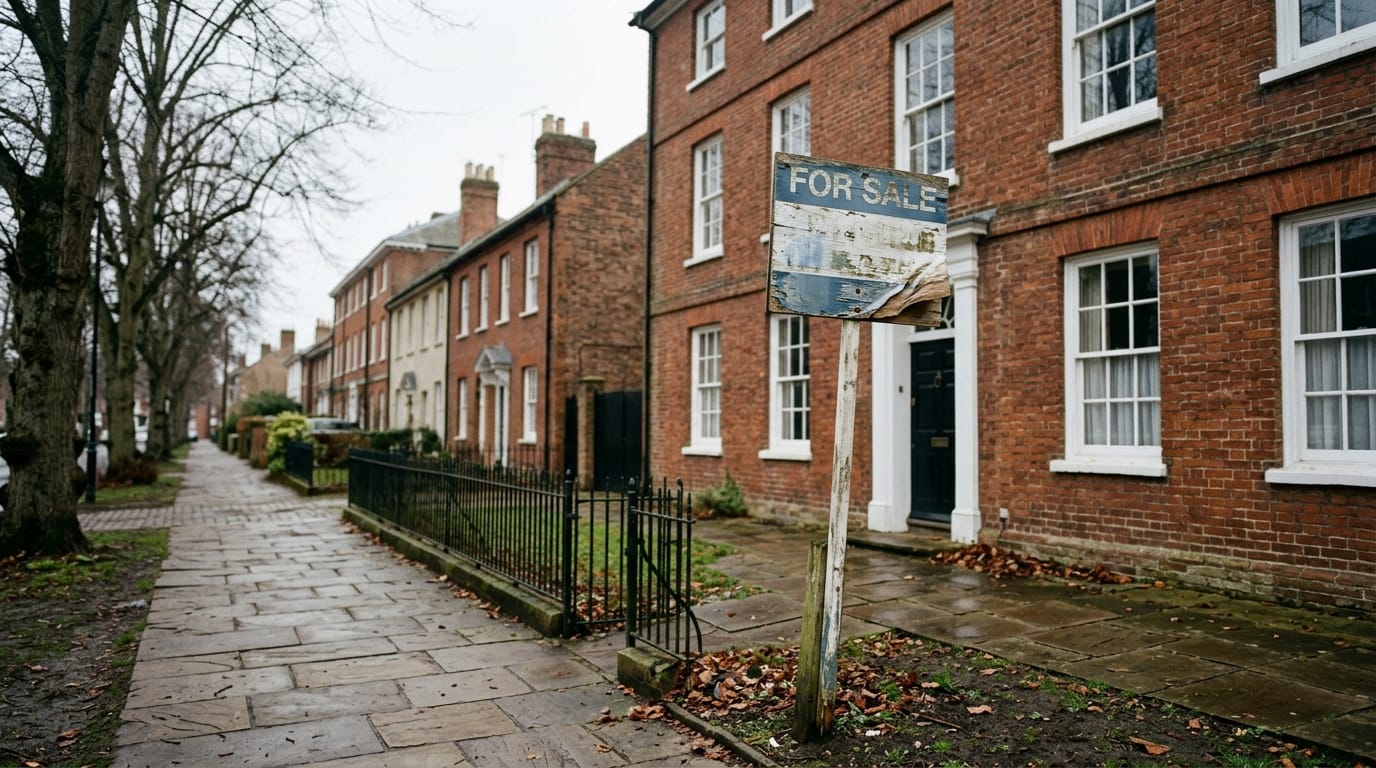
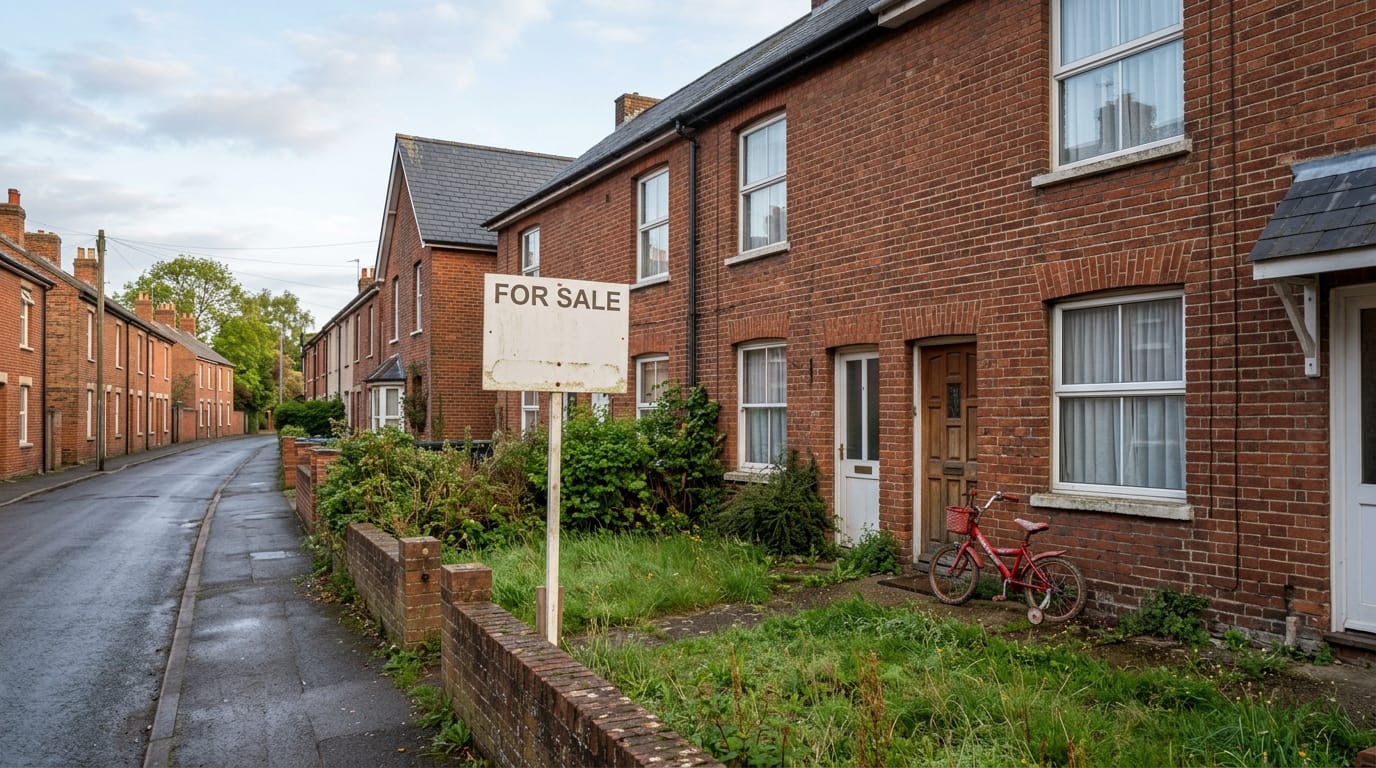
A satirical illustration published this week by national broadsheet cartoonist Stephen Ashman captures a sentiment running deep through Britain’s housing discourse: the sheer scale of the struggle confronting first-time buyers. While caricature simplifies reality for comedic effect, the underlying economic friction is real, measurable, and increasingly evident in transaction chains across Norfolk and Suffolk.
Ashman’s focus on entry-level buyer hurdles highlights what mortgage advisers and market analysts have noted across Britain throughout recent quarters. Higher borrowing costs, strict deposit requirements, and elevated living overheads continue to delay young households from securing their first set of keys. When prospective purchasers find themselves locked out or cautious, the reverberations do not stop at the entry tier. Every rung above relies on that base momentum to keep chains functioning.
Nationally, commentators have observed that entry hurdles alter broader market behaviour. Second-steppers cannot make their planned moves without an initial purchaser underneath them. Down-sizers, equally, find themselves waiting for buyers whose sales depend on linked chains stretching back to a flat or terraced home that cannot find a solvent suitor.
Across our regional footprint, these dynamics produce a distinctive pattern of stability coupled with protracted timelines. The latest regional analysis covering 31 local areas places our average asking price at £673,314. Notably, year-on-year price changes stand completely flat at 0.0%, demonstrating that sellers are holding firm on headline values rather than discounting aggressively to generate rapid interest.
Yet holding firm carries a trade-off. The average time a home spends on the market locally has climbed to 269 days. A transaction timeline stretching close to nine months is the direct consequence of thin buyer liquidity at the lower end of chains. When entry-level transactions stall, the wider sequence slows down.
This prolonged cycle is mirrored in commitment figures. Currently, the regional subject to contract rate sits at 22%. Only roughly one in five advertised properties has progressed through to agreed terms, a clear sign that buyers are taking extended periods to commit and lenders are subjecting applications to thorough scrutiny.
In East Anglia, where detached cottages, village homes, and mid-market family properties dominate sales volumes, a missing first-time buyer can stall four or five linked transactions. A young professional couple unable to secure an affordable borrowing package in Norwich or Ipswich delays a growing family seeking more acreage in mid-Suffolk. That family, in turn, delays an older couple planning to downsize into an East Coast coastal settlement.
Sellers across the region have absorbed the shock of higher borrowing costs by choosing patience over capitulation. The flat 0.0% annual price movement shows vendors are not panicked. But patience requires stamina when an average listing takes 269 days to clear.
As trading shifts deeper into the autumn calendar, the balance between price resilience and liquidity will remain central to local housing conditions. If mortgage rates soften incrementally, entry-level buyers may regain ground, unlocking delayed chains. Until then, transaction velocity across Norfolk and Suffolk will depend on sellers aligning their price expectations with the real borrowing capacities of those entering the market.