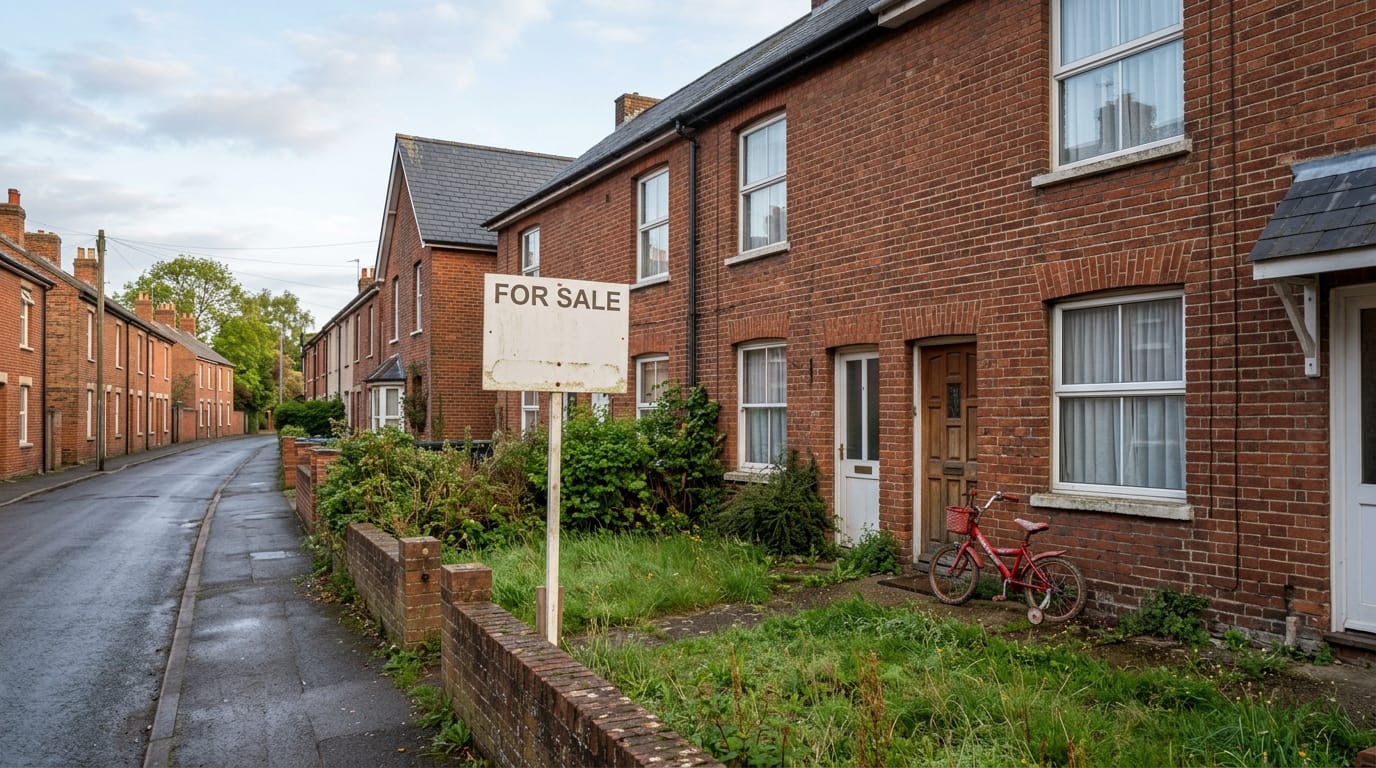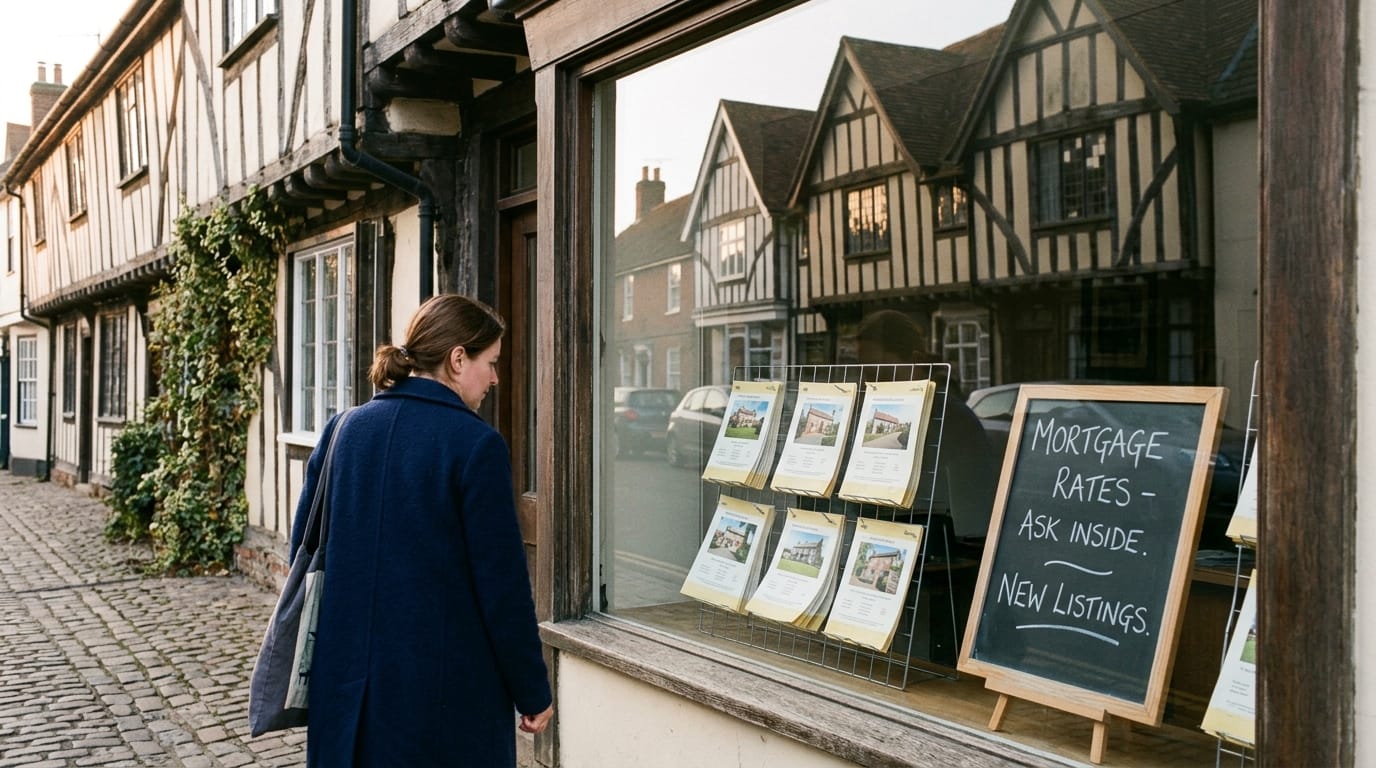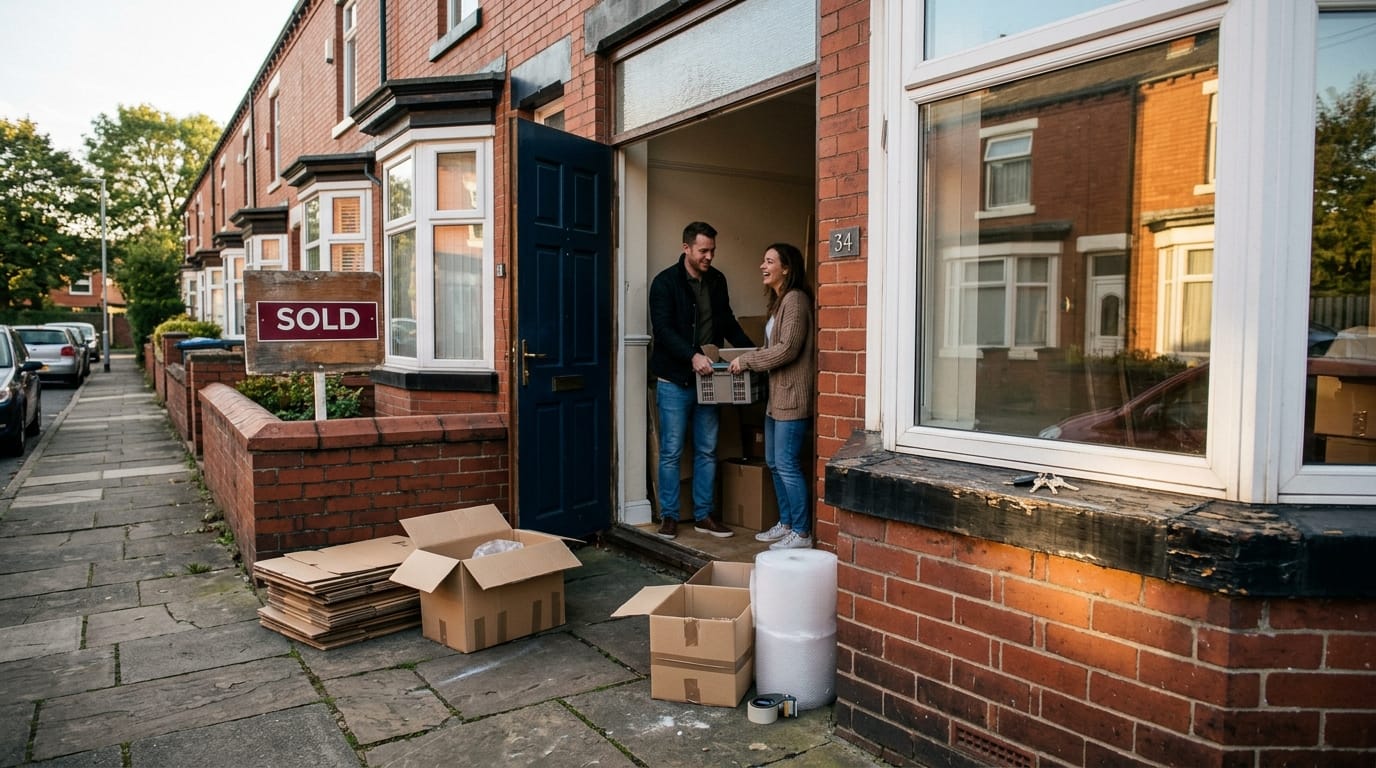
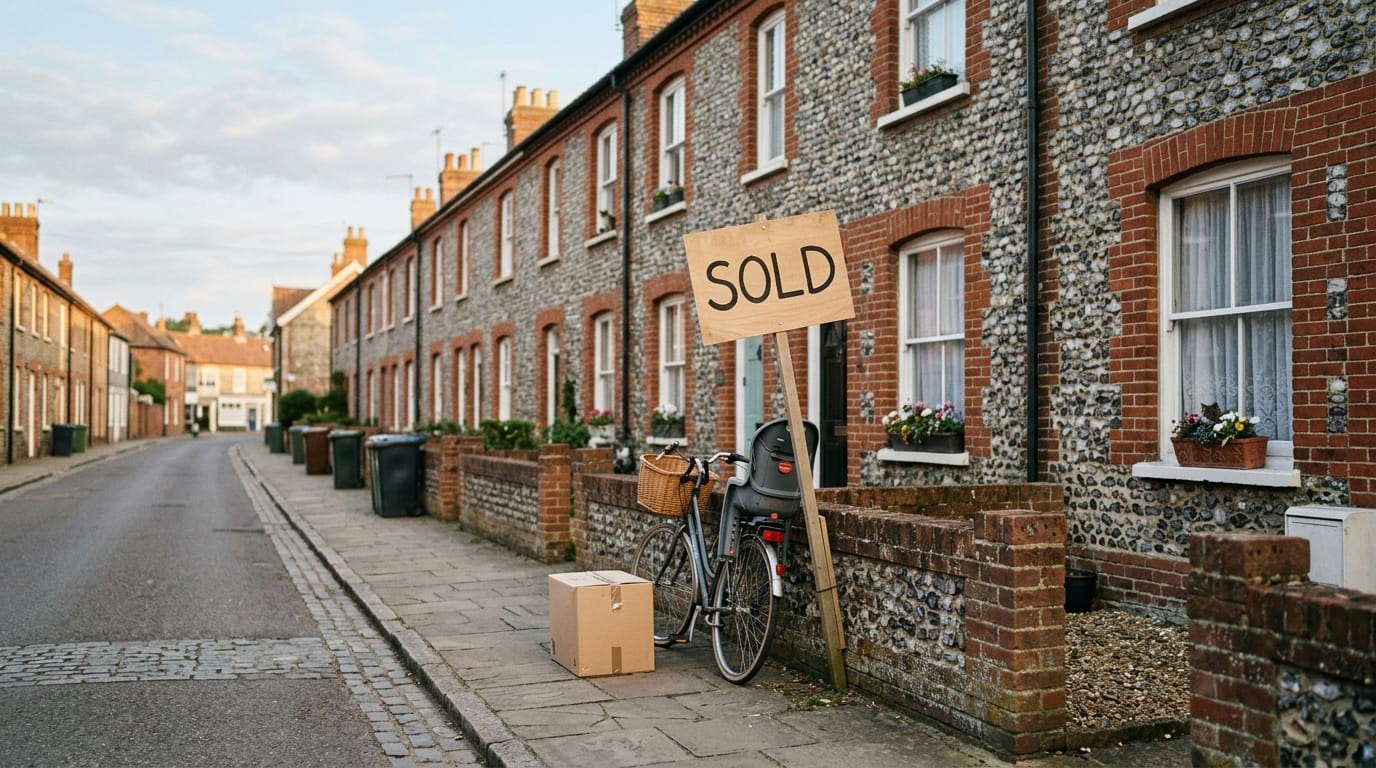
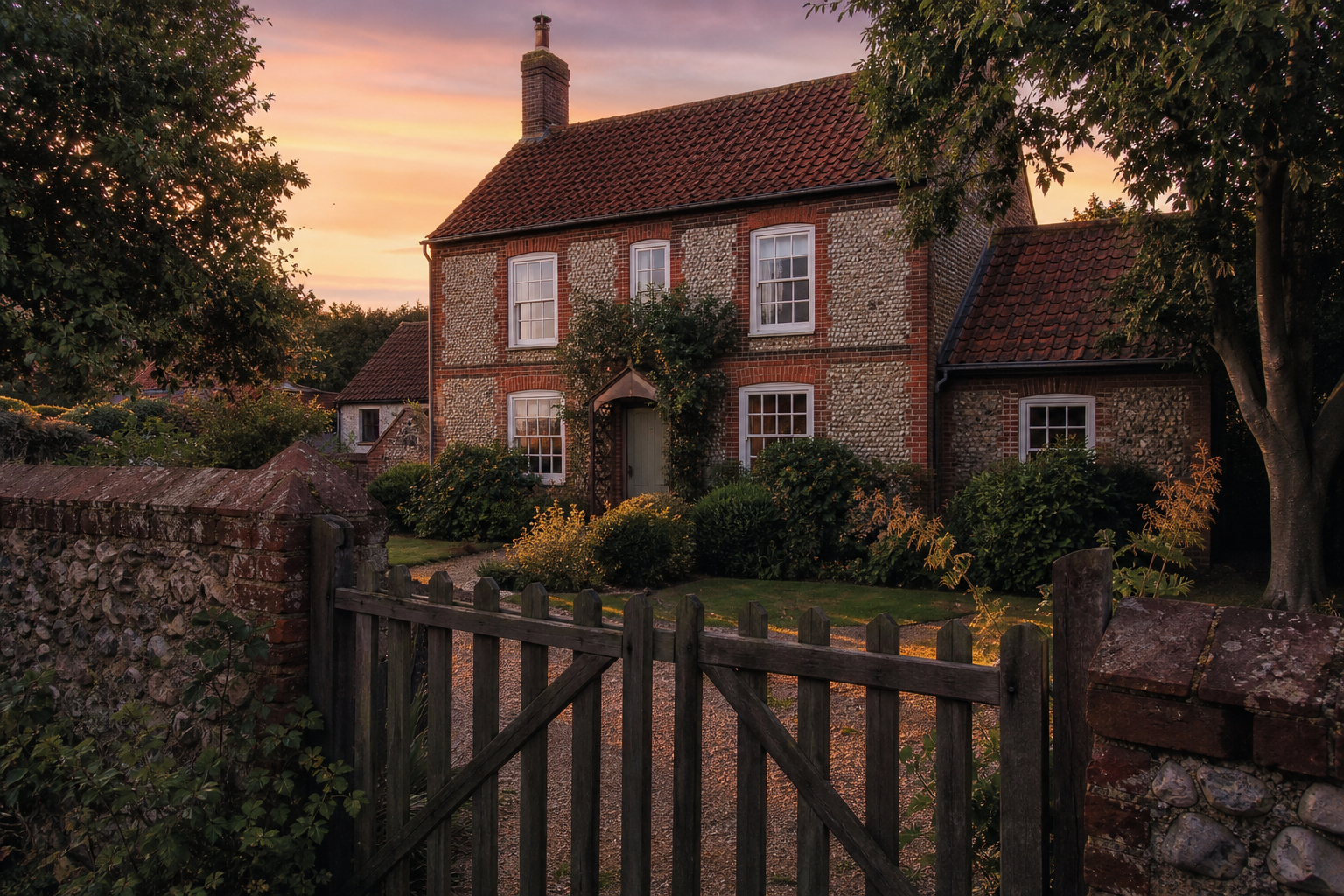
The average home sale in Great Britain now takes 216 days to travel from first listing to completion, and in the East of England it takes 237. That is seven and a half months of a family’s life spent between the decision to move and the day the keys change hands, and it is the longest summer wait since records for this measure began.
The figures come from new analysis by one of the major property portals, published on 31 July. Nationally, the process splits into 62 days to find a buyer and a further 154 days between the sale being agreed and money changing hands. The second half of that journey has become the problem. Completion times have stretched by 36 days since 2019, in a period when almost every other consumer transaction in Britain has become faster.
Only London is slower. Buyers and sellers in Norfolk and Suffolk wait an average of 66 days to agree a sale and then 171 days to complete, a total of 237. London sits at 244 days. The South East and South West follow at 237 and 233. At the other end of the table, the North East manages 194 days and Scotland just 127, helped by a legal process that front-loads information before an offer is accepted rather than after.
Scotland’s 29 days to find a buyer against our 66 tells you something about pricing and stock. Its 98 days to complete tells you something rather more uncomfortable about the English conveyancing system.
Flats are the slowest to complete at 169 days on average, a reflection of leasehold enquiries, management packs and freeholder response times. Terraced and semi-detached houses complete in around 149 days. For much of the Norfolk and Suffolk market, where detached and period houses dominate the middle and upper tiers, the complicating factors are different: unregistered land, private drainage, agricultural ties, listed building consents, flood searches on coastal and Broads-side properties. Each is answerable. Each takes weeks if nobody chases it.
A long completion period is not merely inconvenient. It is the single biggest source of risk in a transaction. Earlier research from the same portal found that almost a quarter of agreed sales initially fall through, and around 6% fail altogether without returning to the market within a year. Every additional week between agreement and completion is another week in which a mortgage offer can expire, a survey can be reinterpreted, a buyer can be made redundant, or someone four links up a chain can change their mind.
The portal estimates £205bn of residential property is currently listed on its platform and still has to clear the completion process. That is an enormous amount of capital sitting in limbo.
The chief executive of the portal put the case plainly, saying that a healthy housing market depends on people being able to move home easily and with certainty, and that an average 154 day wait to complete the transaction itself is simply far too long. He linked housing mobility directly to economic growth and called for greater digitisation, stronger information standards and transparency for everyone involved.
Lenders agree. Brad Fordham, head of mortgage distribution and underwriting at NatWest Group, said the figures show more needs to be done, and that delays within the conveyancing journey cause “emotional distress and real financial costs” for customers. His view is that widespread adoption of digital technology is the fastest route to a quicker home ownership journey.
None of this is a story about a lack of buyers. HMRC’s provisional figures, also published on 31 July, put UK residential transactions at 98,700 in June on a seasonally adjusted basis, 2% above June 2025 and marginally ahead of May. The non-seasonally adjusted total of 103,050 was 6% up on the year and the strongest June since 2022. Deals are being done. They are simply taking an absurdly long time to finish.
Nathan Emerson, chief executive of Propertymark, described the rise in transactions as an encouraging sign that buyers and sellers still have the confidence to move despite ongoing economic and political change, noting that healthy transaction levels support jobs, investment and local communities.
Very little of the 171 day completion window is in a seller’s gift, but the parts that are matter disproportionately.
Instruct a solicitor before the property goes on the market, not after an offer arrives. Order the title and, where the land is unregistered, start first registration early. Assemble the paperwork most likely to be asked for: building regulation certificates, FENSA documents, septic tank compliance under the general binding rules, oil tank details, planning consents, listed building consents, any indemnity policies. On a coastal or riverside property, know your flood position before a buyer’s search reveals it.
Price sensibly at the outset too. The 62 day national average to find a buyer conceals a wide spread, and a property that sits unsold for three months before a price correction has effectively added a quarter of a year to its own timeline. Our 324 location property market reports exist for precisely this reason: to establish what a house in a specific street in Norwich, Holt or Southwold is genuinely worth today, rather than what a comparable achieved eighteen months ago.
The government’s home-moving reforms, including earlier information sharing and greater digitisation of conveyancing, remain in the works. So does the Commonhold and Leasehold Reform Bill, which would do more than anything else to unblock the 169 day flat transaction. Both now sit with a new administration and a new Housing Minister, and both have slipped before.
Until the plumbing changes, the practical answer is preparation. Seven months is the average for a process where almost nothing happens on the days nobody is pushing it. Sellers who arrive at the point of offer with their file already built don’t get the national average. They get a good deal better than it, and that is worth more than any headline about house prices.