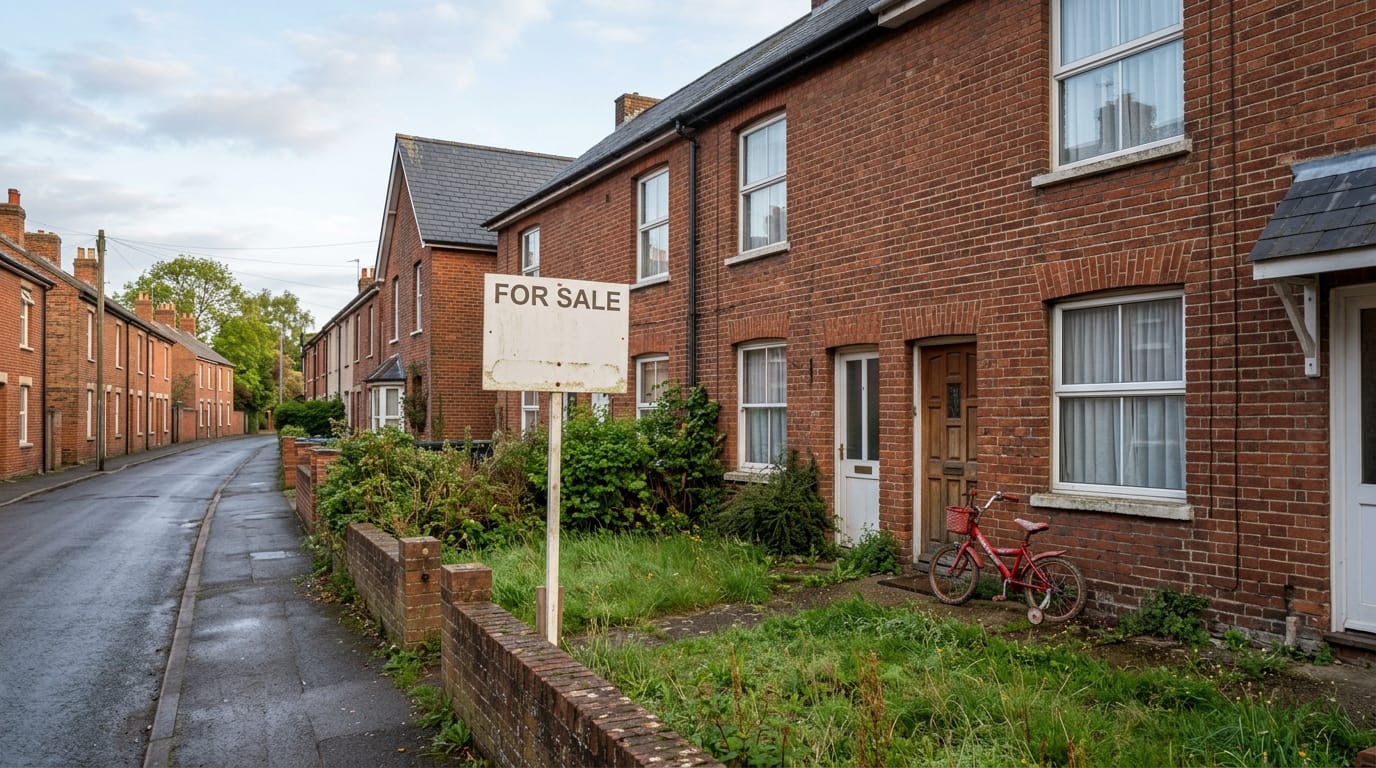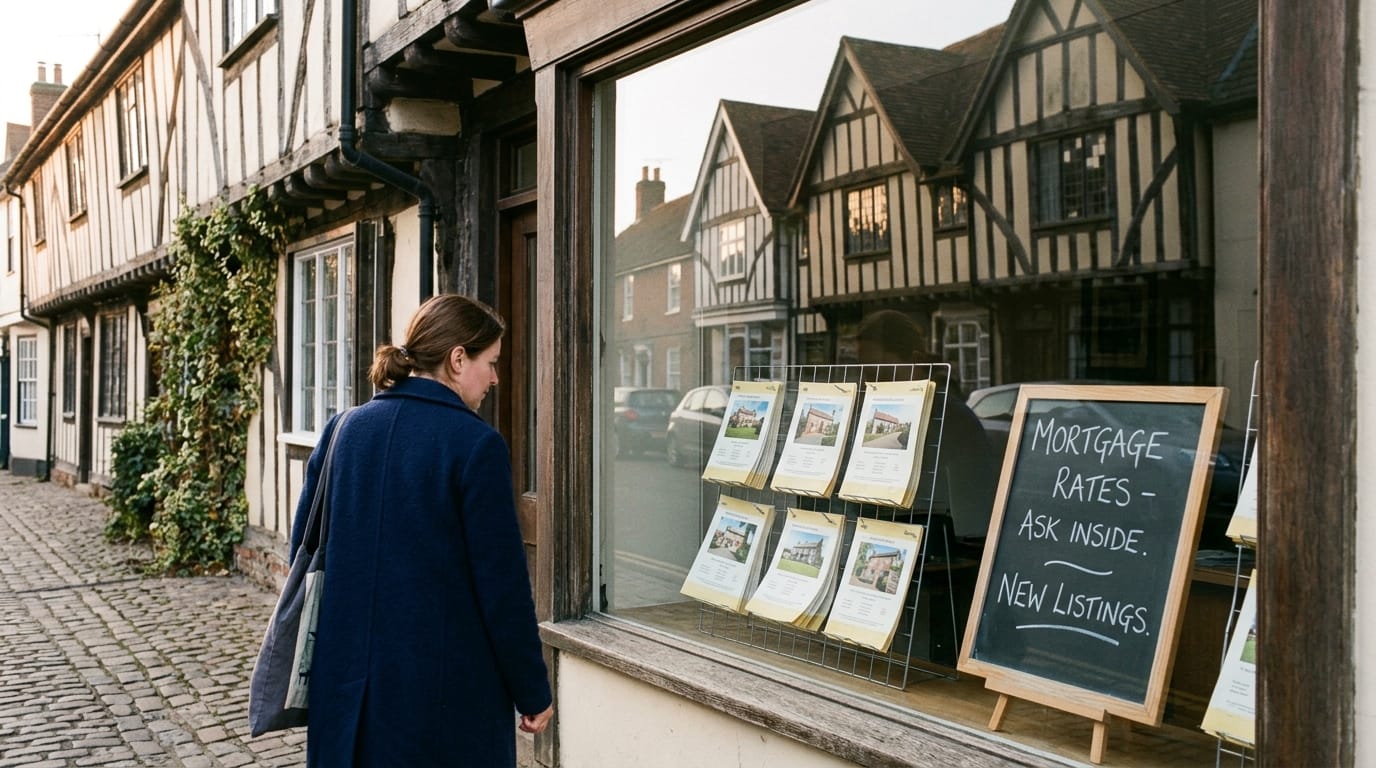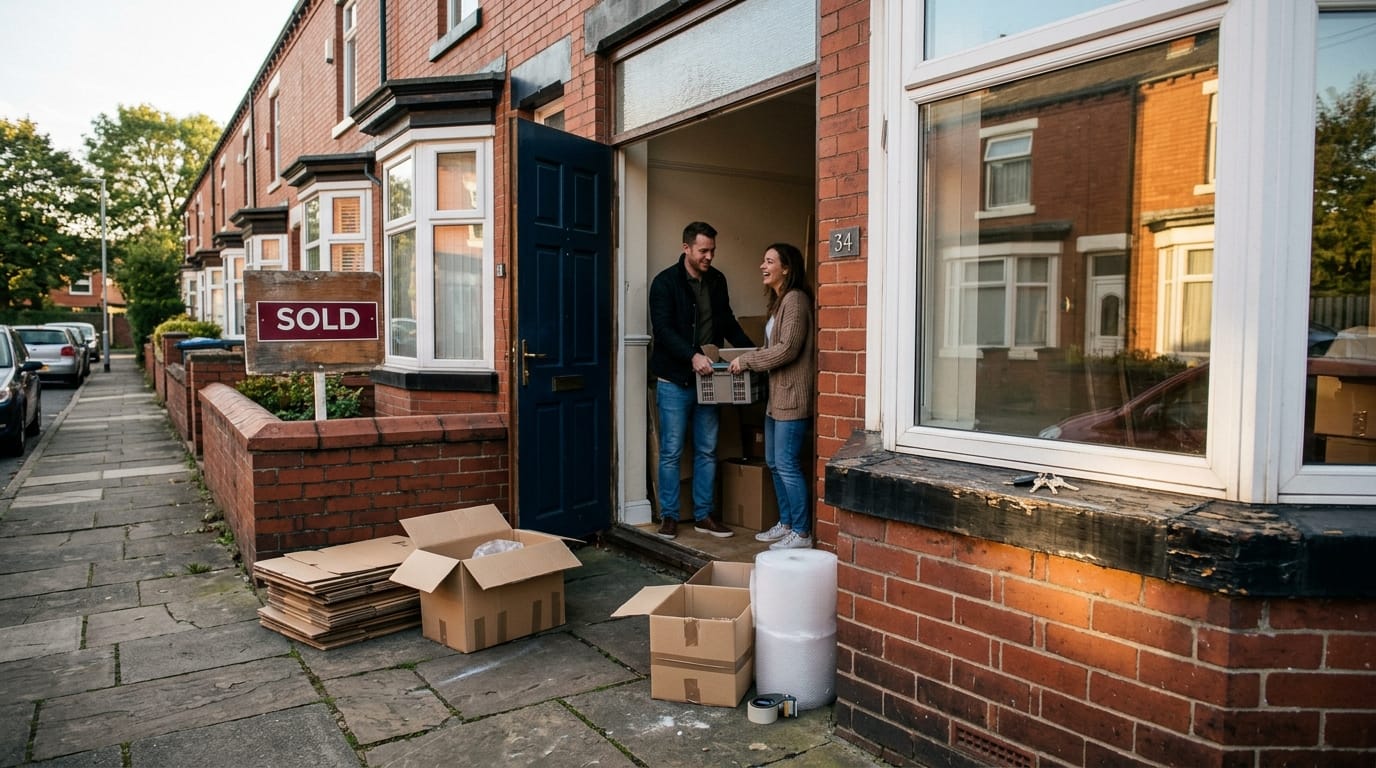
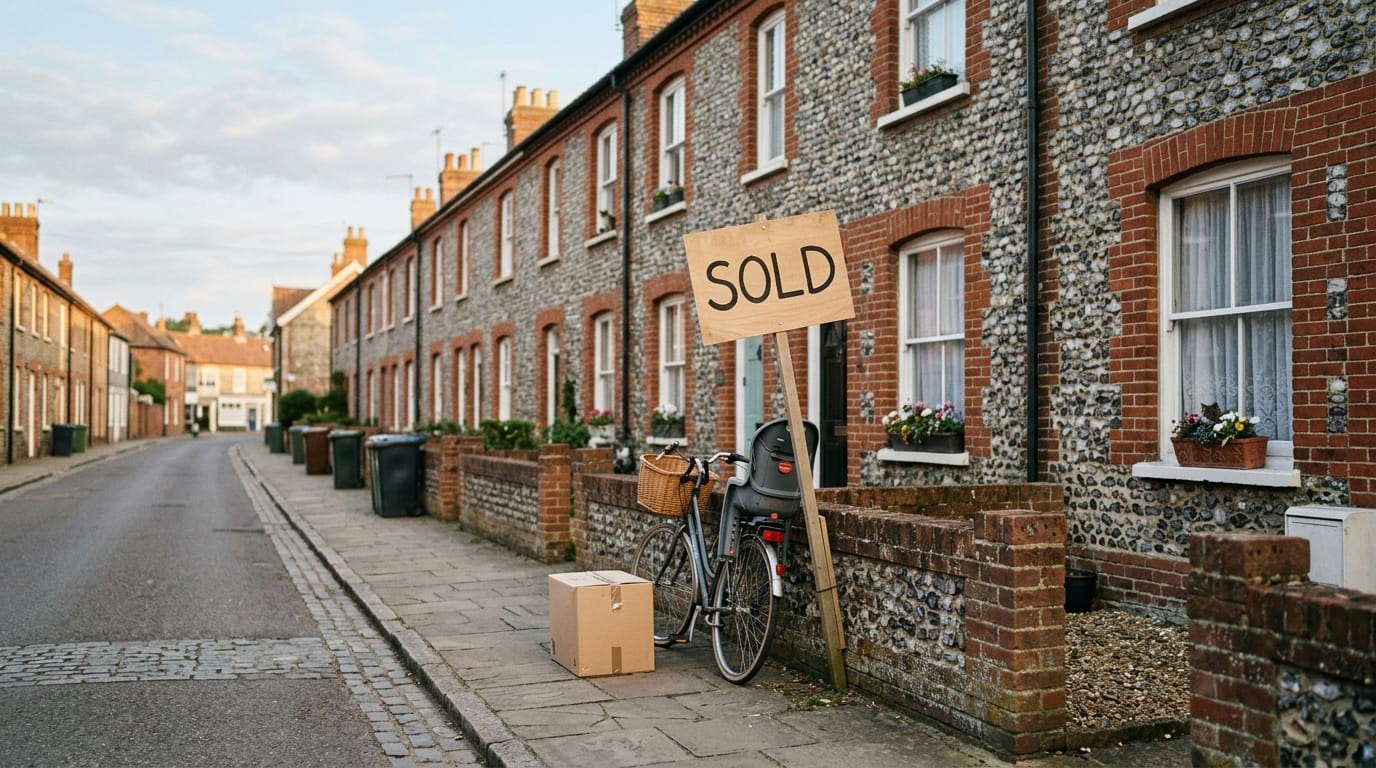

A single first-time buyer in England saving 10% of their monthly income would need nine and a half years to scrape together enough for a deposit and moving costs, according to new research from home-moving comparison site Reallymoving.
The calculation assumes an average salary of £39,298 and a typical first-time buyer property costing £250,000. The total bill comes to £27,315: a £25,000 deposit at 10%, plus £1,421 for conveyancing, £462 for a survey, and £432 for removals. That works out to 113 months of disciplined saving before a buyer can even make an offer.
In the East of England, the picture is grimmer still.
With a median first-time buyer purchase price of £280,000, buyers in the East of England need to save £30,357. At the same saving rate, that takes 128 months, or just under 10 years and eight months. Only London (156 months) and the South East (133 months) require a longer commitment.
The regional gap is stark. A first-time buyer in the North East, where the median purchase price is £147,000, can raise the necessary £16,763 in 79 months. That’s nearly four and a half years faster than someone buying in Norfolk or Suffolk.
On average, Reallymoving found, first-time buyers in the south of England need to save for four years and three months longer than those in the north.
The traditional route onto the property ladder, buying a small flat or terraced house and trading up later, is falling out of favour. Reallymoving’s data shows 53% of first-time buyers now purchase a three-bedroom home as their first property.
The logic is straightforward. With the average age of a first-time buyer now 34, many are buying with partners or starting families. Moving is expensive and disruptive, so buying something larger from the outset makes sense, even if it means saving longer. But it also means higher deposits and a longer wait.
For buyers looking at three-bedroom homes in market towns like Wymondham or Attleborough, the maths can be punishing. A three-bed semi in these areas typically exceeds the £250,000 average, pushing the required savings period past the already daunting 10-year mark.
Joint purchasers fare considerably better. Two earners saving from an average salary can accumulate a deposit in roughly 56 months, or four years and eight months. That’s less than half the time required by a solo buyer.
The gap underlines a growing divide in the housing market. Single buyers, particularly those renting alone and shouldering living costs without a partner, find themselves locked out for years longer than couples pooling resources. And with rents consuming an ever-larger share of income in cities like Norwich and Great Yarmouth, saving 10% of gross pay each month isn’t always realistic.
The Lifetime ISA currently offers a 25% government bonus on savings of up to £4,000 a year, and Reallymoving calculates it can shave 23 months off the wait for a solo buyer. A couple both contributing to LISAs could purchase in four years and nine months.
The LISA isn’t without its problems, though. The £450,000 price cap excludes much of London and increasingly stretches credibility in parts of the South East. And the 25% penalty for withdrawing funds for any purpose other than a first home purchase has drawn persistent criticism.
The government has announced it will replace the LISA with a new First Time Buyer ISA in 2028. The key change: no upper age limit, a recognition that the average first-time buyer is getting older and the existing cap of 39 was shutting people out.
Rob Houghton, founder and CEO of Reallymoving, was candid about what the figures mean in practice. “Raising a deposit and covering the cost of moving is still the biggest challenge facing most first-time buyers who don’t have access to financial support from parents and grandparents,” he said.
That phrase, “who don’t have access to financial support,” carries a lot of weight. Research consistently shows that a substantial proportion of first-time buyers receive help from family, whether as a gift, a loan, or a guarantor arrangement. For those without that safety net, the decade-long savings timeline isn’t hypothetical. It’s the reality.
“With the cost of living and rents so high, putting money aside month after month is increasingly difficult,” Houghton added. “Even first-time buyers who save consistently are looking at almost a decade of saving until they can afford to get on the housing ladder.”
The East of England’s 128-month timeline places buyers in Norfolk and Suffolk squarely in the difficult middle ground: prices are well above the national median, but salaries don’t reflect the premium in the same way they do in London.
Coastal and rural markets like Cromer, Holt, and Southwold sit above the regional average, pushed higher by second-home demand and a limited supply of family-sized properties. First-time buyers in these locations face timelines closer to the South East than the national average.
The government’s upcoming First Time Buyer ISA may help at the margins, particularly if the £450,000 price cap is raised. But for solo buyers on average earnings, the fundamental problem isn’t the savings vehicle. It’s the gap between what they earn and what property costs. Until that narrows, the decade-long wait won’t get much shorter.