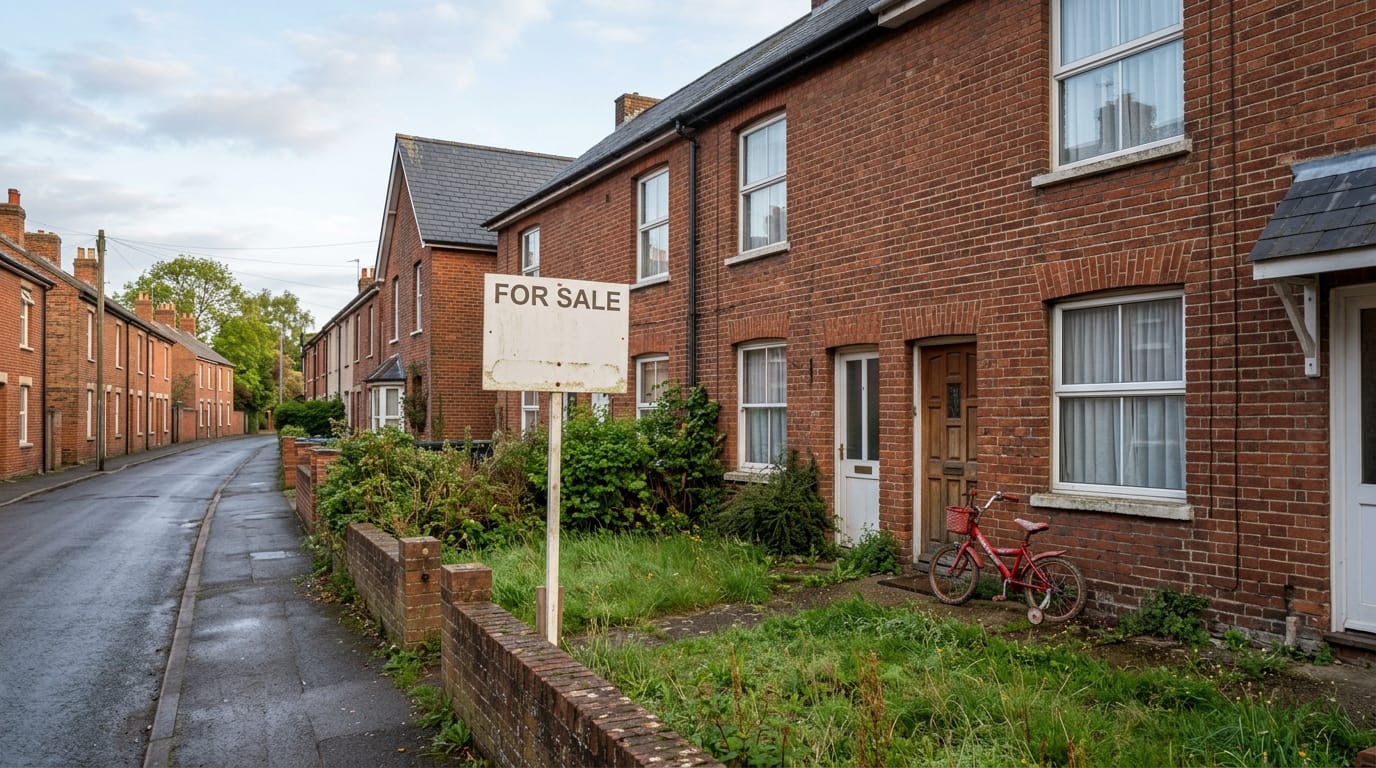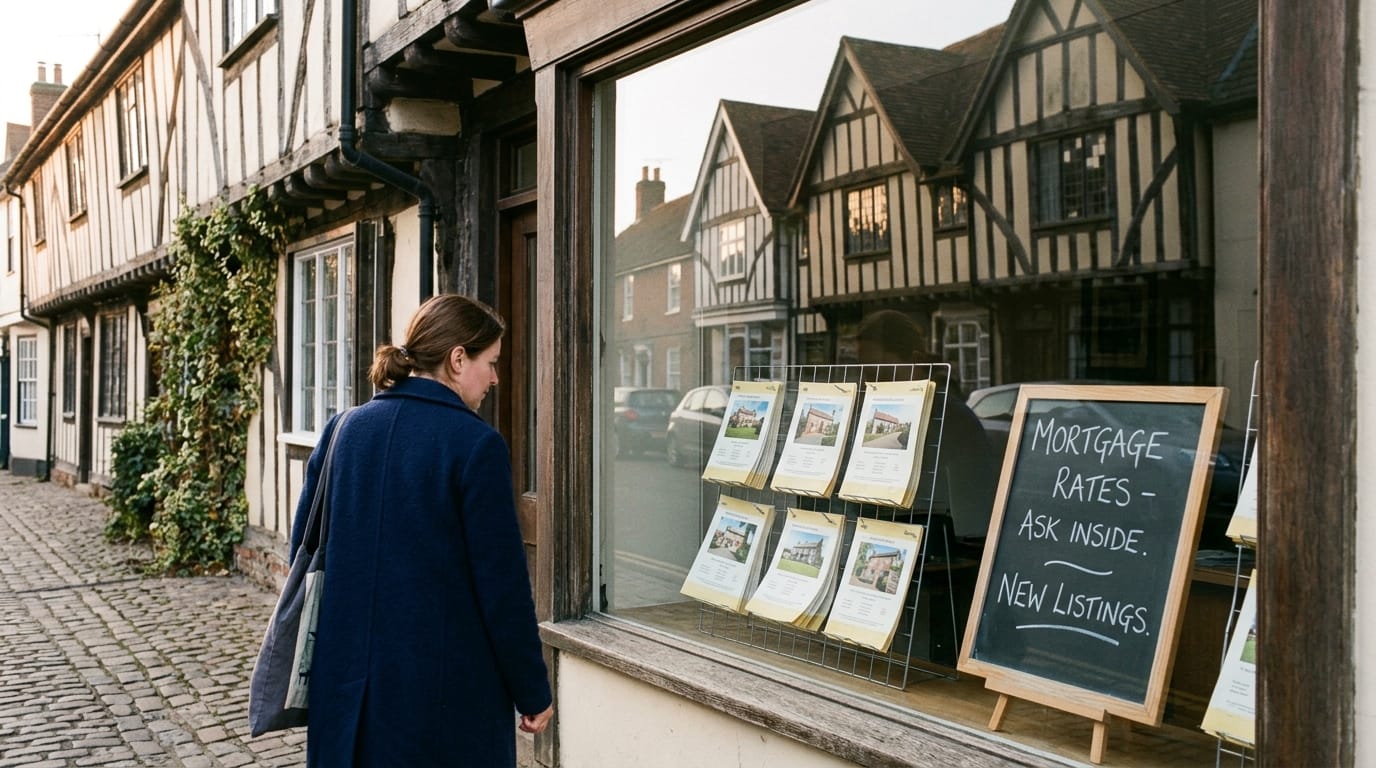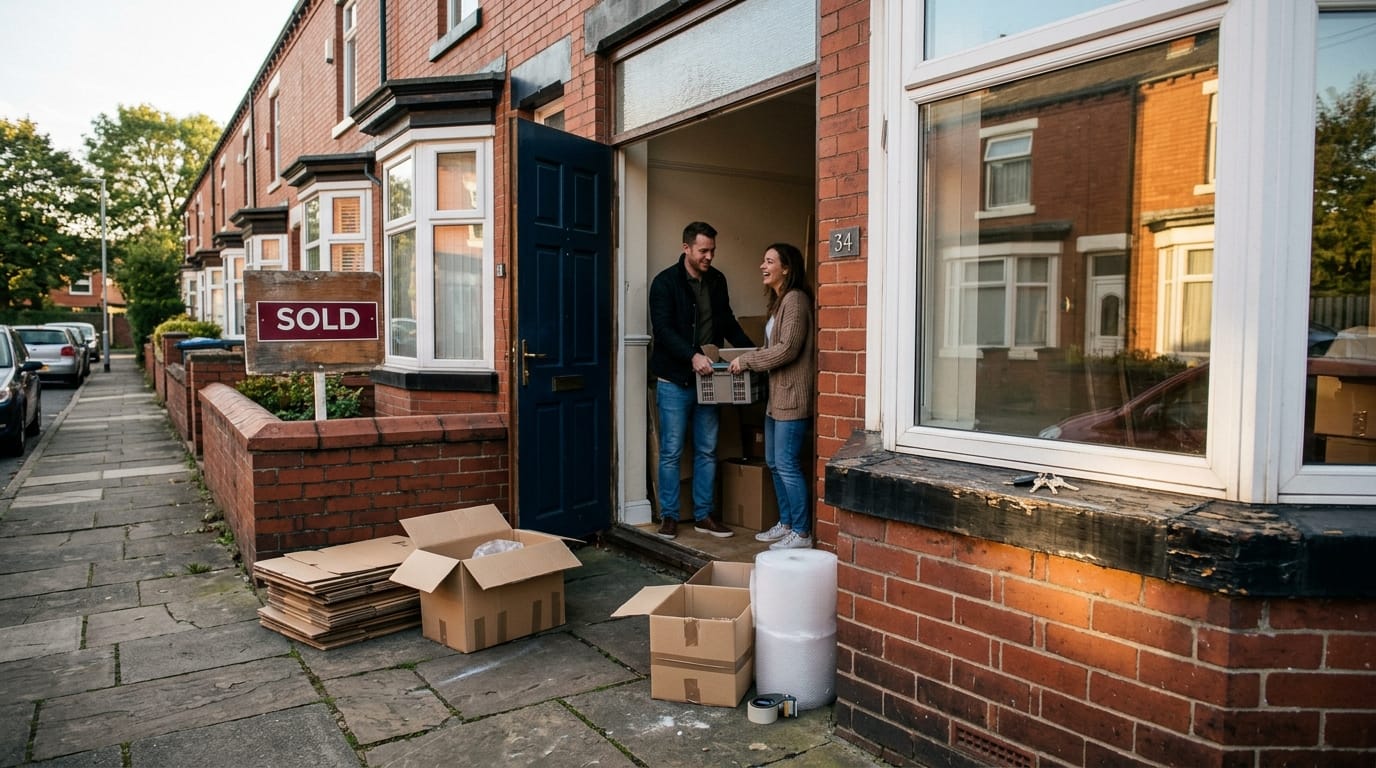
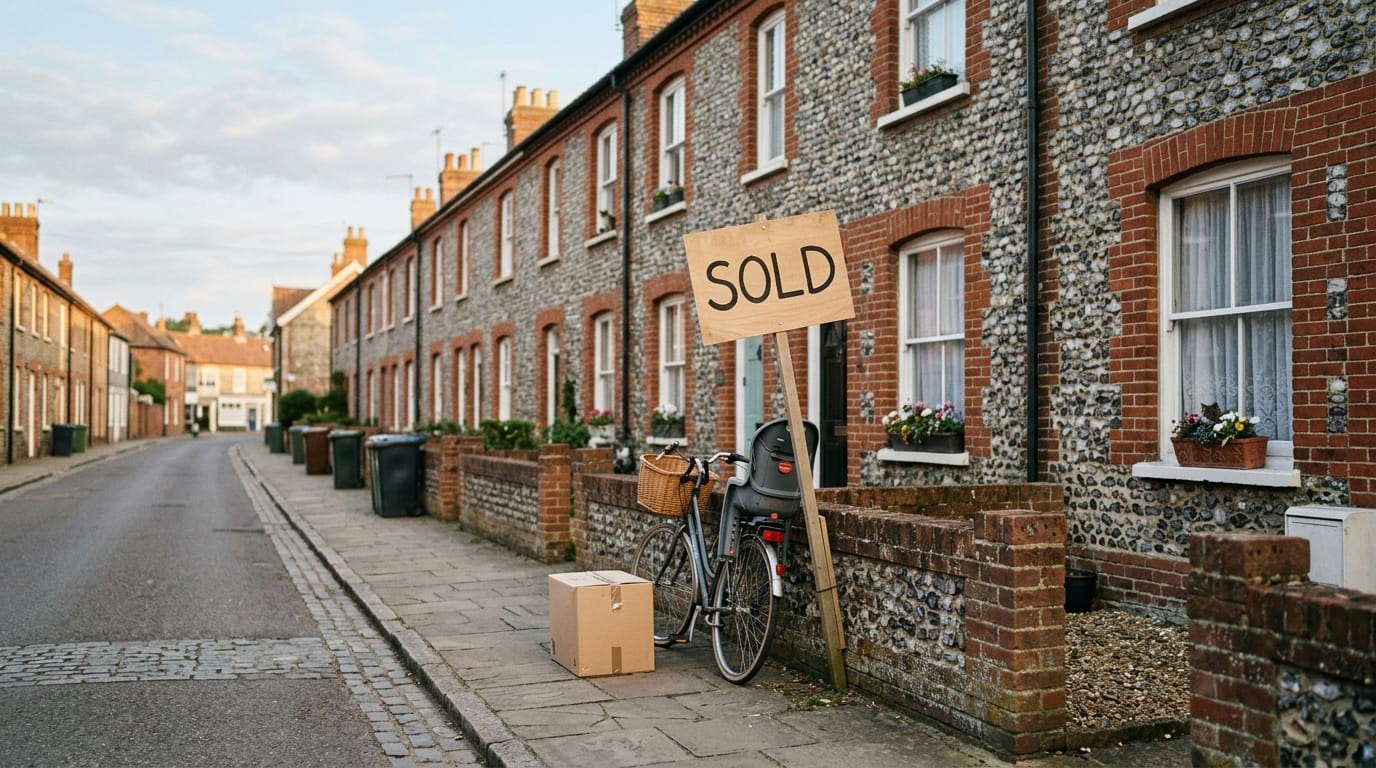

A petition calling for the abolition of both Council Tax and Stamp Duty has passed 100,000 signatures, triggering a requirement for MPs to consider a parliamentary debate on what would be the biggest shake-up of property taxation in a generation.
The petition, launched by the campaign group Fairer Share, proposes replacing both taxes with a single Proportional Property Tax. Under the scheme, homeowners would pay an annual levy of 0.48% of their property’s value. On a home worth £300,000, that works out at roughly £1,440 a year.
The central idea is straightforward. Scrap Council Tax, which is still based on 1991 property valuations. Scrap Stamp Duty, which penalises anyone who wants to move. Replace both with a single annual charge pegged to what a property is actually worth today.
Fairer Share claims 77% of households would pay less under the new system. For those facing higher bills, increases would be capped until the property is sold, preventing sudden jumps for homeowners on fixed incomes.
Andrew Dixon, founder of Fairer Share, said the timing was significant. “Andy Burnham has spent years arguing that Britain’s property taxes are broken. Now, as Prime Minister, he has the opportunity, and the responsibility, to fix them.”
Dixon was blunt about the current system. “The whole system is out of date, out of order and out of time.”
The petition’s momentum coincides with a change of leadership at Number 10. New Prime Minister Andy Burnham is understood to be sympathetic to the concept, although experts caution that implementation could take three to five years even with political will behind it.
Dixon argued this represented a rare window. “Governments rarely get a better opportunity to tackle problems that every major party agrees have existed for decades. Property tax reform is one of them.”
Three times as many people back reform as oppose it, according to Fairer Share’s research. With 100,000 signatures now secured, MPs will be expected to consider the proposal at precisely the moment a new Prime Minister holds the political capital to act on it.
The implications for homeowners across Norfolk and Suffolk would vary considerably depending on property values and current Council Tax bands.
Take a detached home in Norwich worth £350,000. Under the proposed 0.48% levy, the annual charge would be £1,680. For many homeowners in that bracket, particularly those in higher Council Tax bands, the difference compared with their current bill could be marginal.
The picture looks quite different for coastal and premium locations. A property worth £750,000 in Burnham Market or Blakeney would face an annual charge of £3,600. In Holt or Southwold, where many homes sit well above the county average, bills could rise substantially compared with the current Council Tax regime.
The trade-off, of course, is the removal of Stamp Duty. For anyone buying in Norfolk’s premium coastal market, that could mean savings of tens of thousands of pounds at the point of purchase. A buyer paying £900,000 for a home currently faces a Stamp Duty bill north of £30,000. Under the proportional system, that upfront cost vanishes entirely.
Marc von Grundherr, director of Benham and Reeves, was unequivocal. “Stamp duty must be addressed. It is an outdated and fundamentally unfair tax that penalises people simply for moving home, while placing the greatest financial burden on buyers in higher-value markets.”
That burden falls heavily on parts of Norfolk and Suffolk where property values have risen sharply in recent years. Buyers moving into Cromer, Wells-next-the-Sea, or Aldeburgh are routinely paying Stamp Duty bills that add five figures to the cost of moving.
Removing that friction could free up the market. Stamp Duty is widely regarded as one of the biggest barriers to housing mobility, discouraging downsizers, relocators, and growing families from making a move they might otherwise choose.
The proposal isn’t universally popular. Landlords have raised concerns about bearing additional costs. Peter Merrick, a landlord who commented on the petition, pointed out that under the new system, property owners would be liable for what is currently the tenant’s Council Tax obligation. “More risks, more costs and more stringent checks,” he wrote.
There are also questions about second homes and holiday lets, a sensitive subject across north Norfolk. A property worth £600,000 used as a holiday let would generate an annual tax bill of £2,880 under the proportional system, regardless of occupancy.
Single-person households currently receive a 25% Council Tax discount. Whether that concession would survive a move to a property-value-based system remains unclear.
Even with 100,000 signatures, a parliamentary debate does not guarantee legislation. Property tax reform has been discussed, deferred, and shelved by successive governments for decades. The political risks of creating clear winners and losers are considerable.
But the combination of a new Prime Minister reportedly sympathetic to the idea, a petition that has crossed the threshold for parliamentary consideration, and a housing market where Stamp Duty costs are actively suppressing mobility makes this moment different from previous attempts.
For homeowners across Norfolk and Suffolk, The Ivybridge Collection’s 324 local property market reports provide detailed valuations and market context that could help assess what a shift to proportional taxation would mean for individual properties.
The Petitions Committee will now decide whether to schedule a debate. If it proceeds, it won’t produce a binding vote, but it will put property tax reform squarely on the parliamentary agenda at a time when the political appetite for change appears stronger than it has been for years.
Whether Burnham’s government moves to act, or whether this becomes another chapter in the long history of deferred reform, could shape property taxation for a generation. Norfolk and Suffolk homeowners, buyers, and sellers will be watching closely.