
The Bank of England has held Bank Rate at 3.75%, confirmed at 11am on Thursday 30 July. The headline outcome was widely expected. The detail underneath it was not.
The Monetary Policy Committee voted by a majority of 6-3 to maintain the rate. Andrew Bailey, Sarah Breeden, Swati Dhingra, Clare Lombardelli, Dave Ramsden and Alan Taylor voted to hold. Megan Greene, Catherine Mann and Huw Pill voted against, preferring to raise Bank Rate by 0.25 percentage points to 4%. Most economists had expected a 7-2 split, so a third dissenting voice is a meaningful signal: the next move from the Bank is now more likely to be up than down.
Bank Rate has been at 3.75% since December, making this the fifth consecutive hold. The Committee said it stands ready to act as necessary to keep CPI inflation on track to meet the 2% target in the medium term.
CPI inflation has fallen to 2.6%, but the Bank expects it to rise again later this year as higher energy prices continue to pass through. The July Monetary Policy Report projects inflation averaging 3.2% in the final quarter of 2026 before easing back.
The conflict in the Middle East, and the closure of the Strait of Hormuz, has kept crude and refined energy prices volatile and above pre-conflict levels. The Committee judged that the risks to the inflation outlook are tilted to the upside relative to its central projection, while noting there is little evidence so far of second-round effects in price and wage setting, and continued signs of underlying disinflation.
In short: cutting was never on the table this month, and three members thought holding was already too generous.
Bank Rate is frozen, but mortgage pricing is not. Lenders have been repricing upwards for several weeks in response to higher swap rates, and the moves have come thick and fast.
Barclays raised prices on 79 mortgage products this week, covering residential purchase, buy to let, remortgage and Green Home deals, with increases of roughly 0.07 to 0.14 percentage points. Its two year fixed residential deal at 75% loan to value moved from 4.74% to 4.88%. Clydesdale increased product transfer rates by up to 0.23 percentage points. Moneyfacts puts the average two year fixed rate at around 5.6%.
The practical point for anyone buying or remortgaging is that the Bank Rate headline is not the number that determines your monthly payment. Lender pricing is.
David Hollingworth, associate director at L&C Mortgages, advised borrowers not to wait for clarity that may not arrive: “Securing a deal and then reviewing rates again before completing will avoid suffering further hikes but still allows a switch to a cheaper product before completion if rates improve.” He added that it is too early to tell whether the recent run of increases will slow.
Richard Pike of Phoebus Software made a similar point about timing, noting that lenders have been repricing upward in recent weeks and that the effect of that, plus any repricing after this decision, will show up more clearly over the coming months.
More than eight in ten mortgage holders are on fixed rate deals, so their payments do not change until the deal ends. The Bank’s own analysis points to several million households seeing monthly repayments increase over the next few years as deals agreed in the cheaper era expire and reprice at today’s levels.
That is the number worth planning around. A homeowner rolling off a 2% fix onto something in the region of 5% will feel the difference immediately, regardless of what the Bank does at any single meeting.
There is an upside to a higher for longer rate environment. Fixed savings rates are at their strongest in around two years, with leading one year fixed bonds paying about 4.9%. For sellers sitting on proceeds while they look for their next home, that is a genuinely useful place to park cash for a defined period.
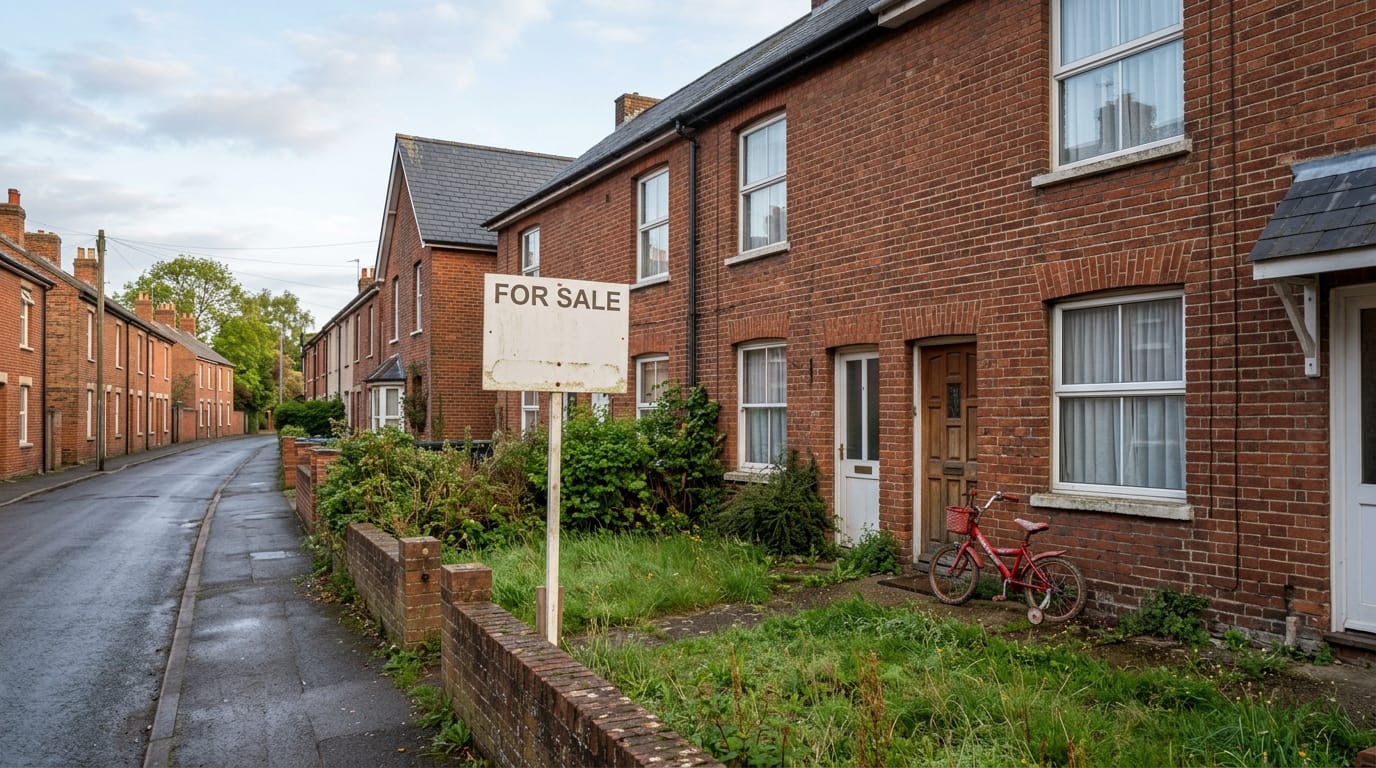
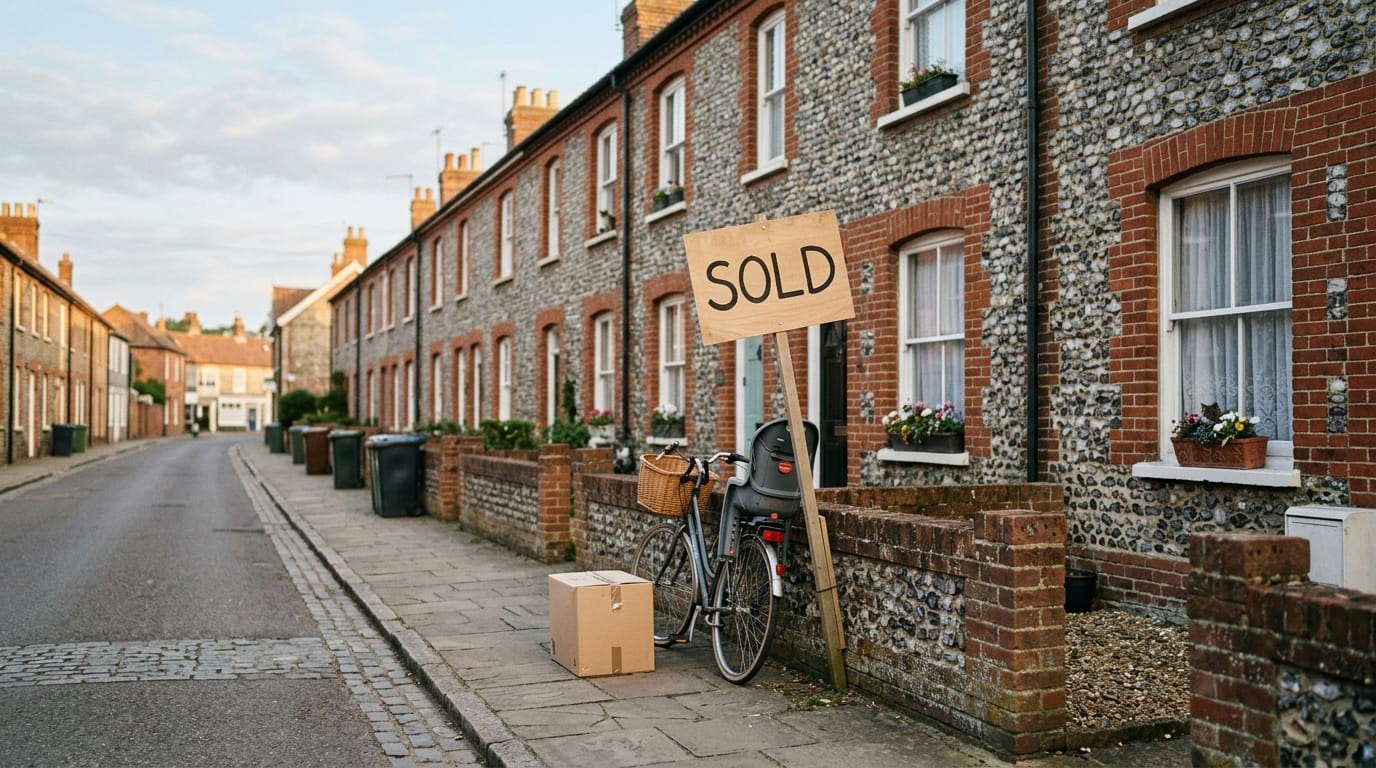
For sellers in Norwich, Holt and Burnham Market, the hold brings stability rather than momentum. Buyers are still active, but they are calculating carefully, and the hawkish 6-3 split will not encourage anyone to expect cheaper borrowing soon.
Norfolk’s premium coastal market is particularly sensitive to borrowing costs, because the sums involved are larger. A buyer borrowing 400,000 pounds on a five year fix at around 4.7% faces monthly repayments roughly 350 pounds higher than they would have paid at the sub 4% rates available at the start of 2026. That difference changes what buyers are willing to offer, which is why realistic pricing from day one continues to matter more than it did a year ago.
Our own data across Norfolk and Suffolk shows sellers’ markets expanding from 10 areas to 16 in recent weeks, so local conditions are not uniform. Demand is holding up better in some towns than in others.
The MPC’s next scheduled decision is 17 September. By then there will be two more inflation prints, and the trajectory of energy prices should be clearer. With three members already voting for 4%, the balance of risk has shifted: borrowers should plan on the assumption that rates are not falling this year, and that an increase is a real possibility.
Anyone with a fixed deal expiring in the next twelve months would be sensible to start looking at options now rather than waiting for a cut that the Committee is plainly not preparing to deliver.
The US Federal Reserve made a similar call the day before, holding its target range at 3.5% to 3.75% in a 9-3 vote, with several officials favouring an increase. Central banks on both sides of the Atlantic are leaning against the same inflation risk.