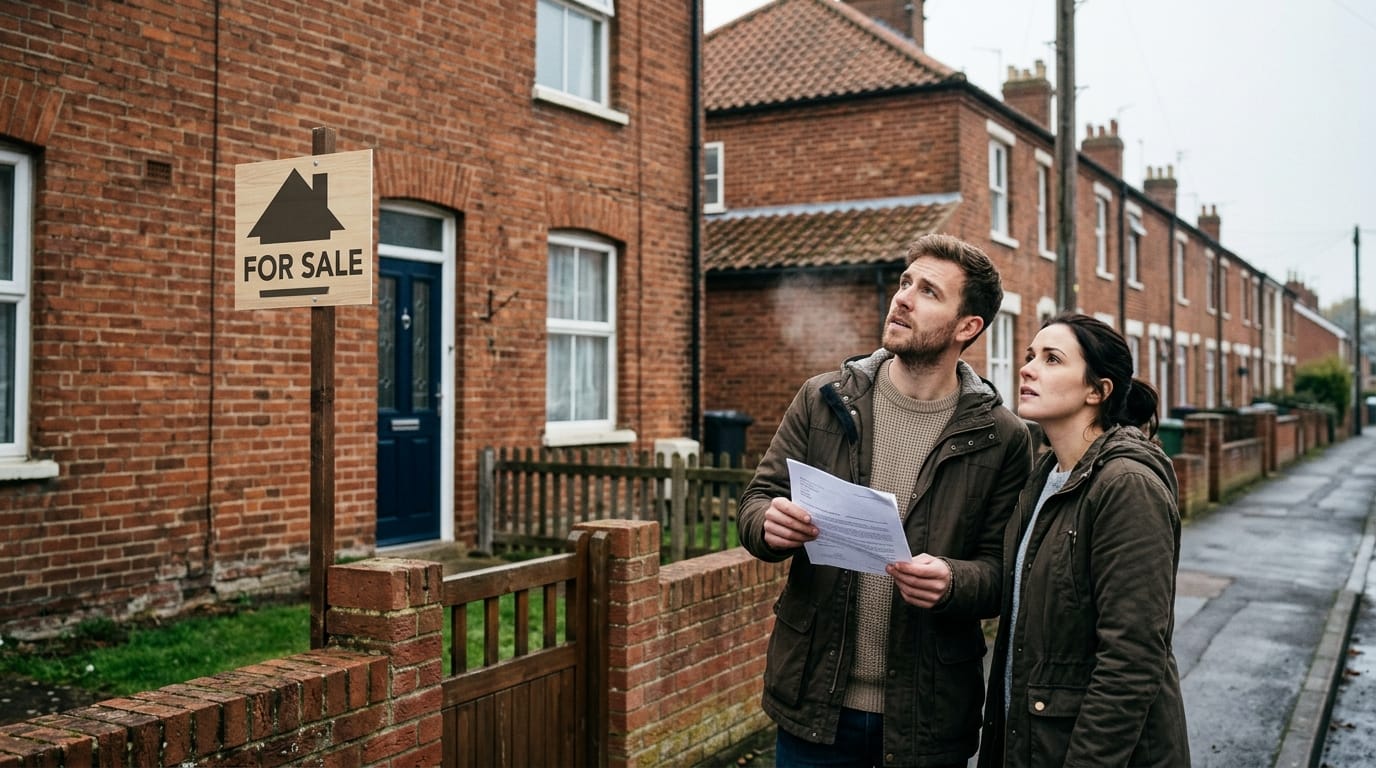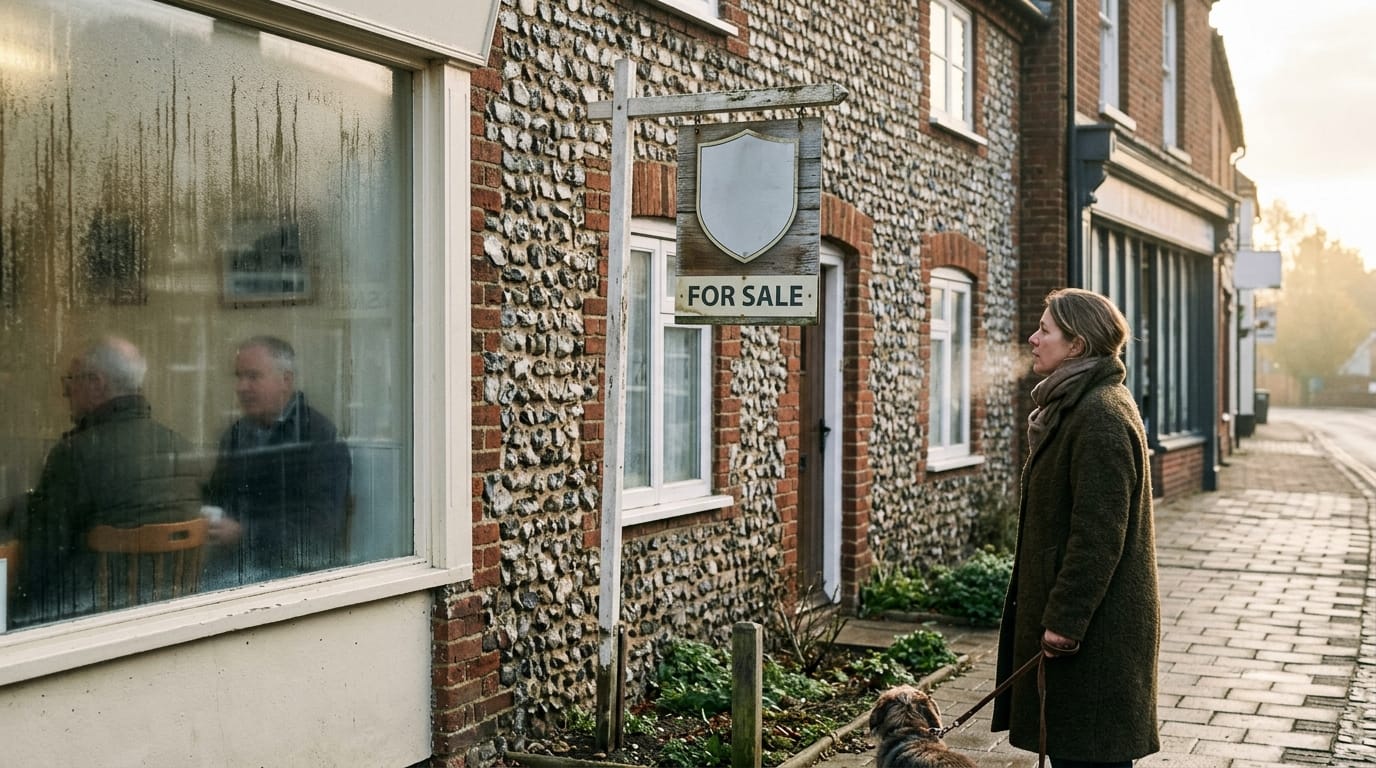
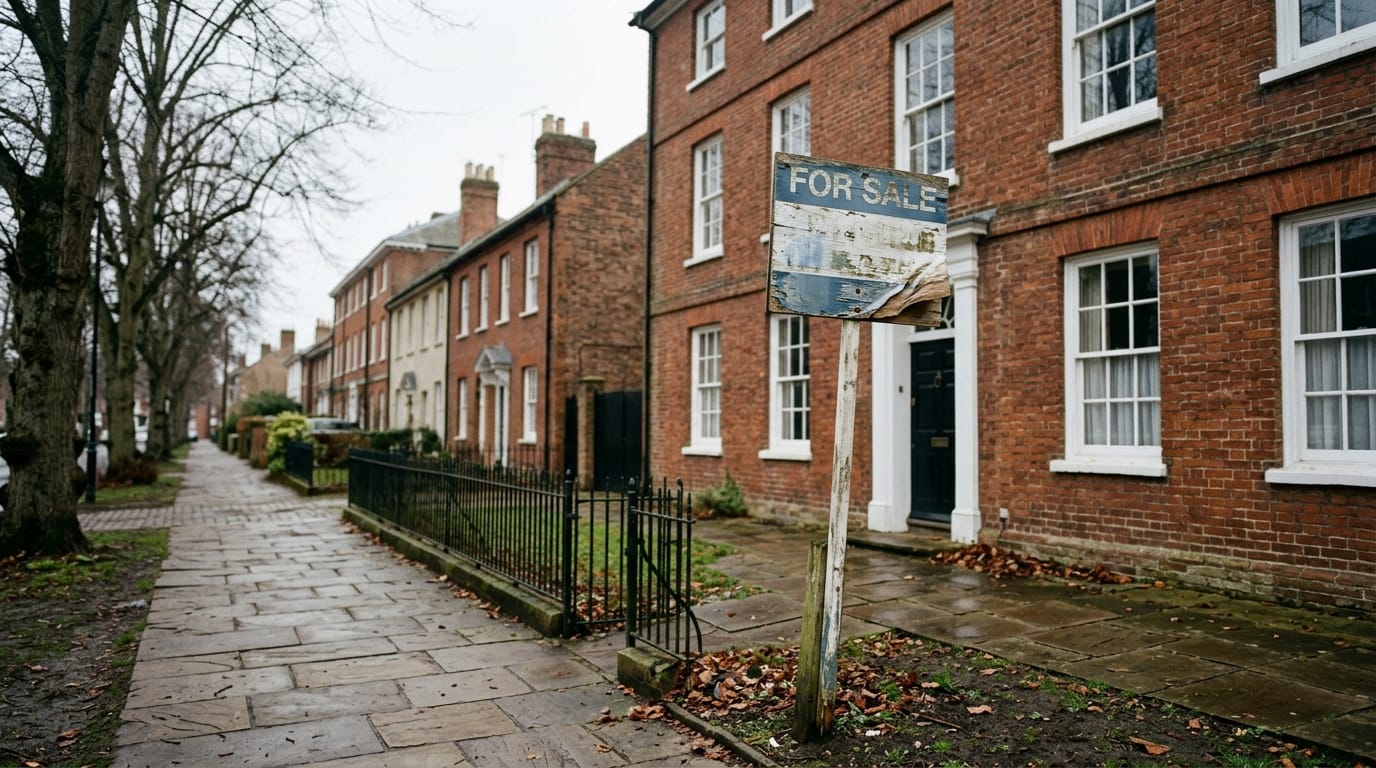
The Bank of England is expected to leave interest rates unchanged at 3.75% when the Monetary Policy Committee announces its decision on Thursday, holding for a sixth consecutive meeting even as inflation accelerates and the conflict in the Middle East keeps pushing energy costs higher. For homeowners and buyers across Norfolk and Suffolk, where the average property now costs £673,945 and sits on the market for an average of 267 days, the timing could hardly be more awkward.
Official figures released this week showed the Consumer Prices Index climbing to 3.1% in the year to August, up from 2.9% in July and its highest reading in six months. Petrol, diesel and airfares drove the rise, and economists expect further increases as higher global energy costs work their way through to food and fuel bills. Oil moved above $100 a barrel on 9 September and has stayed there since, with little sign of a lasting truce in the Iran conflict.
Bank governor Andrew Bailey has been candid about the trigger point. Speaking after the MPC’s previous meeting, he warned that if the conflict dragged on and oil stayed above $100 a barrel, “the odds are that interest rates will have to go up higher.” That threshold has now been met, which is precisely why this week’s decision carries more weight than a routine hold might suggest.
Other central banks have already moved. The European Central Bank raised rates to 2.5%, citing the Middle East conflict and warning inflation was set to remain well above its 2% target for some time, while the US Federal Reserve lifted its own rate to a 3.5% to 3.75% range on Wednesday. The MPC will be acutely aware it is operating in a global environment where the direction of travel has shifted from cuts to holds, and in some cases to hikes.
That shift has not happened without internal disagreement. At the meeting held on July 30, the MPC decided by a vote of 6 to 3 to leave the Bank Rate unchanged, with Huw Pill, Megan Greene and Catherine Mann voting in favour of a 25-basis-point rise to 4%. That marked a shift from the previous meeting, when only two members had voted for a hike, and it signals a committee where the hawkish faction is growing, even if it has not yet won the argument. Economists polled ahead of Thursday’s announcement still lean towards another hold, though the margin of that vote will be watched as closely as the headline decision itself.
Markets had already priced in a tougher stance before this week’s inflation figures landed, and lenders have responded accordingly. A host of major lenders have raised the cost of new fixed-rate mortgages in recent days, with the average two-year fixed residential mortgage rate now at its highest level since 11 May, at 5.77%.
Andrew Montlake, chief executive of mortgage broker Coreco, put it plainly: the latest data shows “the inflation dragon has not been fully slain.” He added that if inflation proves sticky, lenders’ funding costs will stay under pressure, making cheaper mortgages harder to deliver, and that borrowers approaching the end of a fixed deal should start looking early and keep reviewing their options rather than wait and hope for better terms. That is sound advice, and not just for households on the cusp of remortgaging. It is advice that applies directly to anyone currently weighing up a purchase in Norfolk or Suffolk.
The inflation pressure is broader than petrol pumps alone. Transport provided the largest upward contribution to the increase, driven particularly by motor fuels, with transport prices rising by 4.6% over the year to August compared with annual growth of 3.6% in July. Consumer prices increased by 0.5% during August, compared with a 0.3% monthly increase in the same month last year, a reminder that this is not a one-off spike but a trend building through the summer.
Norfolk and Suffolk’s housing market was already showing signs of strain before this week’s inflation news. Average prices across the region sit at £673,945, comfortably above the national picture, yet annual price growth has flattened to 0.0%. Properties are taking an average of 267 days to find a buyer, and only 22% of listings currently sit sold subject to contract. That is a market where sellers are pricing in hope rather than momentum, and where buyers, already stretched by higher-value stock, are the most sensitive of all to movements in mortgage pricing.
A two-year fix at 5.77% changes the arithmetic meaningfully on a property approaching £674,000. Every basis point matters more when the loan size is larger, and it is exactly that kind of buyer, the one considering a family home in a Norfolk market town or a coastal property in Suffolk, who tends to pause first when borrowing costs tick upward. The flat annual growth figure across the region may partly reflect that hesitation: sellers holding firm on asking prices while buyers wait to see where rates settle, producing a standoff rather than genuine price weakness.
The long average marketing time of 267 days is the clearest symptom of that standoff. It suggests vendors are reluctant to adjust expectations even as transaction volumes slow, a pattern that tends to persist until either mortgage costs ease or sellers accept a longer, more negotiated sales process. With only 22% of the region’s stock currently under offer, there is plenty of evidence that patience, on both sides of the transaction, is the defining feature of this market right now.
MPC members will also be conscious of the labour market. Raising rates further to tame inflation risks putting pressure on employers and denting job prospects, a balance the Bank has to strike carefully given how finely divided its own committee already is. Experts think policymakers will continue to favour a wait-and-see approach, particularly regarding the Middle East conflict and how it feeds through to the UK economy, rather than moving decisively in either direction this week.
For Norfolk and Suffolk, the practical implication is straightforward even if the macroeconomic picture is not. Whatever the MPC decides on Thursday, mortgage pricing has already moved, and buyers weighing up the region’s higher-value stock would do well to secure terms sooner rather than later. Sellers, meanwhile, may need to accept that the days of quick, uncontested sales have not yet returned. The next few months will likely be defined less by dramatic price swings and more by a slow recalibration of expectations on both sides, as the market waits to see whether the inflation dragon really has been slain, or is merely resting.