A new word has entered the property lexicon this month, and it is not a flattering one. The BBC has investigated a growing practice it calls “housefishing”, in which estate agents use artificial intelligence to transform property photographs into homes that do not quite exist, with buyers and renters saying they are being misled.
The scale of it is not trivial. An independent survey of 906 UK homebuyers found that one in five who bought a home in the past year had viewed a listing where the photos had been digitally enhanced to make the property look better than it actually was. Of those who later discovered the mismatch, more than half ruled the property out on the spot, while the vast majority never bothered to complain about what they had seen. The most common trick, cited by a quarter of those affected, was simply making rooms look bigger than they are.
This is not a free-for-all, and it is worth being clear about that from the start. Trading Standards has told the BBC that agents can use AI for basic photo edits, and can virtually furnish an empty room or garden, as long as they make clear the technology was used. Structural changes are treated quite differently. Adding a window or hiding features in a room could mislead consumers and break the law, and under the Digital Markets, Competition and Consumers Act 2024, misleading images can be unlawful.
Jack Bushrod, who reviews unusual property listings for his social media channel Housing Horrors, says he has seen a surge of AI-enhanced images over the past six months. He is relaxed about sensible use of the technology, but less so about the more extreme examples. “I’ve seen one house where they had removed a pillar and added a window,” he has said, adding that smaller details, such as stains or cracked tiles, are often erased too. The Guild of Property Professionals, a trade group representing independent agents, says it is difficult to quantify how common the practice really is, though it has issued guidance on using AI enhancement responsibly. Propertymark has also pointed out that the previous national guidance on this area was withdrawn as the new consumer protection law took effect, leaving a gap that the sector has not yet filled with specific rules.
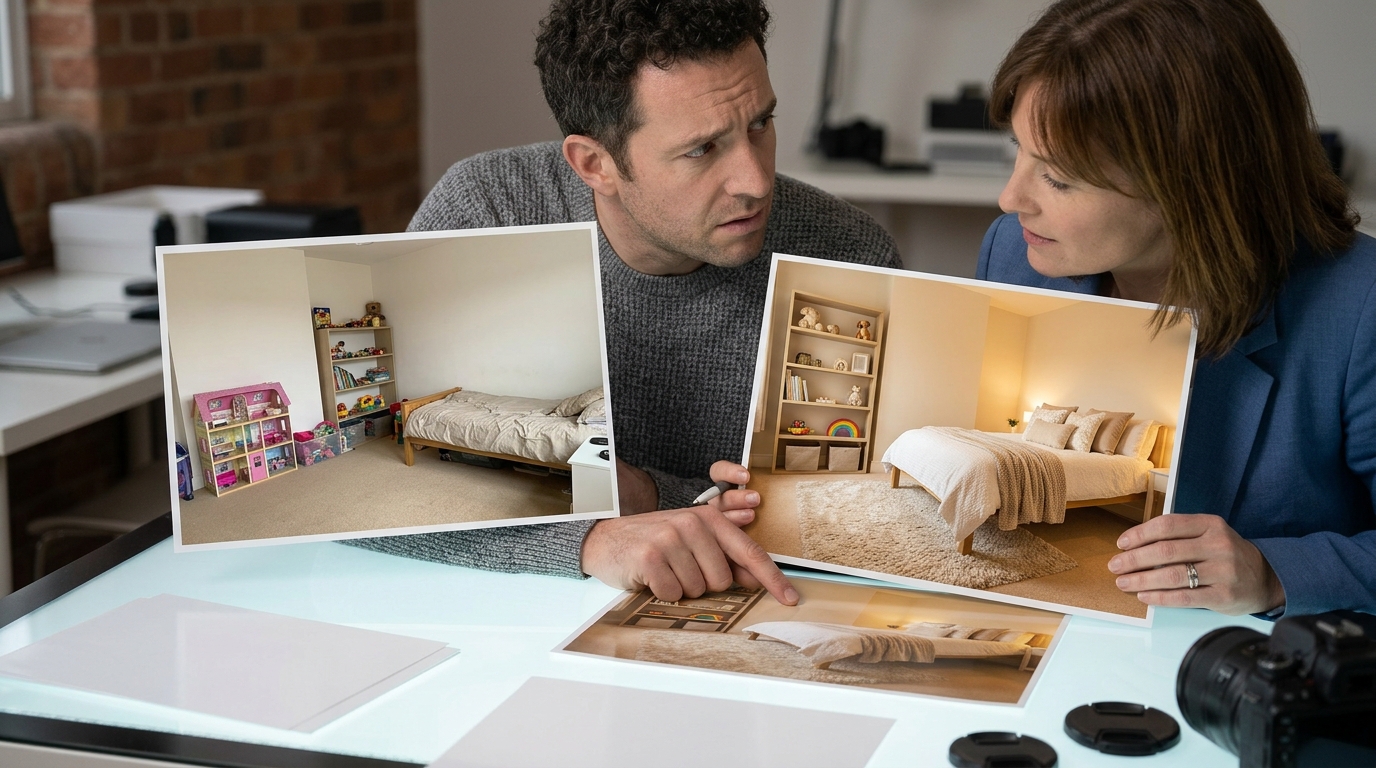
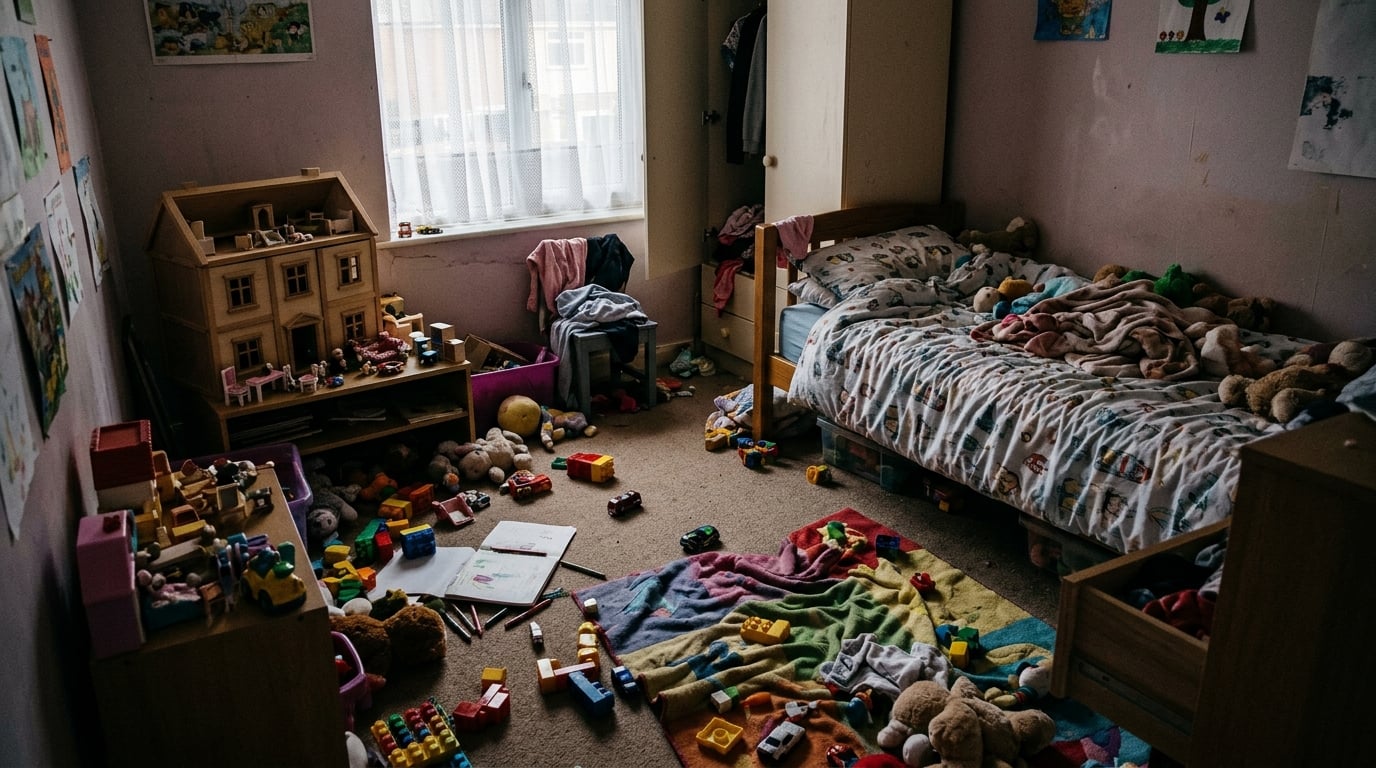
For readers in Suffolk, this is not an abstract national story. One of the cases reported by the BBC involves a 38 year old seller named Cara, who is selling her home in Lowestoft. She discovered that the agency marketing her property had used artificial intelligence on its online listing, digitally emptying her son’s room of toys. Her daughter’s room was altered too, with a doll’s house removed and the shape of a rug changed. During a viewing, one visitor noticed the differences between the photographs and the real rooms, prompting Cara to reflect on where the line between helpful tidying and misleading marketing actually sits. She has said she trusts the agency she used, which has acknowledged using AI in the listing and has since introduced a policy requiring all AI-enhanced photographs to be clearly labelled.
It is a useful illustration of how this plays out in practice, and of how quickly a business can correct course once the issue is raised. The agency did not deny what had happened. It changed its policy instead.
None of this happens for no reason. Physical staging, bringing in furniture and dressing a property for sale, can cost anywhere from £5,000 on average up to £50,000, and empty rooms are genuinely hard for buyers to read for scale. AI staging offers a cheap and fast alternative, and one estate agent in Surrey summed up the tension well, telling the BBC simply that “technology should help people, not deceive them.” That is really the crux of the debate. Nobody serious in the trade objects to a virtually furnished empty lounge, clearly labelled as such. The objection is to AI quietly removing a crack in the plaster or adding a window that was never there.
For anyone selling a home in Norfolk or Suffolk at the moment, the sensible response is not panic but a bit of healthy scepticism applied in both directions. If your agent uses virtual staging, ask that it is labelled, both because it is the right thing to do and because an undisclosed edit discovered at a viewing does your sale no favours. One of the major property portals has said agents are responsible for the content they upload, and that it takes action where images are misleading, including requiring amendments or removing listings outright. That is a reasonable safety net, but it still relies on buyers noticing and flagging the problem, and the research suggests most simply walk away quietly instead.
For buyers searching across the two counties, the practical advice is straightforward. Treat glossy, empty-room staging with a little caution until you have seen the space in person. Ask your agent directly whether any images have been digitally enhanced. A good local agent, whether independent or part of a wider network, should have no difficulty answering that question honestly, and increasingly will volunteer the information before you ask.
What this episode really exposes is a trust gap that the industry is only now starting to close. The law already distinguishes clearly between helpful visualisation and outright deception, and the more reputable end of the trade, through bodies like the Guild of Property Professionals, is actively working on guidance to keep agents on the right side of that line. The Lowestoft case suggests the correction, once a problem surfaces, can be quick and constructive rather than defensive. As AI tools become cheaper and more widely used across the sector, the agents who thrive are likely to be the ones who treat disclosure as a selling point in itself, not an inconvenience, turning a potential source of buyer suspicion into a simple reason to trust them more.