
Eight of Britain’s largest housebuilders are facing a proposed class action worth up to £4.5 billion, with more than 700,000 homebuyers claiming they paid inflated prices for new-build homes as a result of alleged anti-competitive behaviour.
The claim, set to be filed with the Competition Appeal Tribunal, targets Barratt Redrow, Bellway, Berkeley Group, Bloor Homes, Persimmon, Taylor Wimpey, Vistry Group and its Countryside Partnerships division. It is being brought by Mark McLaren, a former parliamentary and legal affairs manager at consumer group Which?, on behalf of anyone who purchased a new-build home in Great Britain between October 2015 and 24 June 2026.
The proposed claim follows an investigation by the Competition and Markets Authority into allegations that major housebuilders exchanged commercially sensitive information over a two-year period ending in February 2024. The regulator closed its investigation after the companies agreed to pay £100 million towards affordable housing programmes and accepted legally binding commitments not to share such information in future.
That settlement, while substantial, did nothing for the individual buyers who may have overpaid. McLaren’s claim seeks to fill that gap. His legal team, competition law firms Geradin Partners and Hausfeld, estimates affected homeowners could each be entitled to between £3,100 and £6,200 in compensation.
The core allegation is straightforward: by exchanging pricing and sales data with one another, these housebuilders reduced the competitive pressure that would normally keep prices in check. The result, according to the claim, was that buyers paid more than they should have.
“Buying a home is one of the biggest financial commitments most of us will make,” McLaren said. “If, as seems to be the case, housebuilders shared sensitive pricing and sales information with one another instead of competing properly, homeowners across Great Britain may well have been left out of pocket as a result.”
Patrick Teague, partner at Geradin Partners, described the claim as raising “important issues about competition in the new-build housing market.” Scott Campbell of Hausfeld noted that for most homeowners, bringing an individual claim “simply isn’t realistic, as the cost and complexity put it out of reach,” making the collective action route essential.
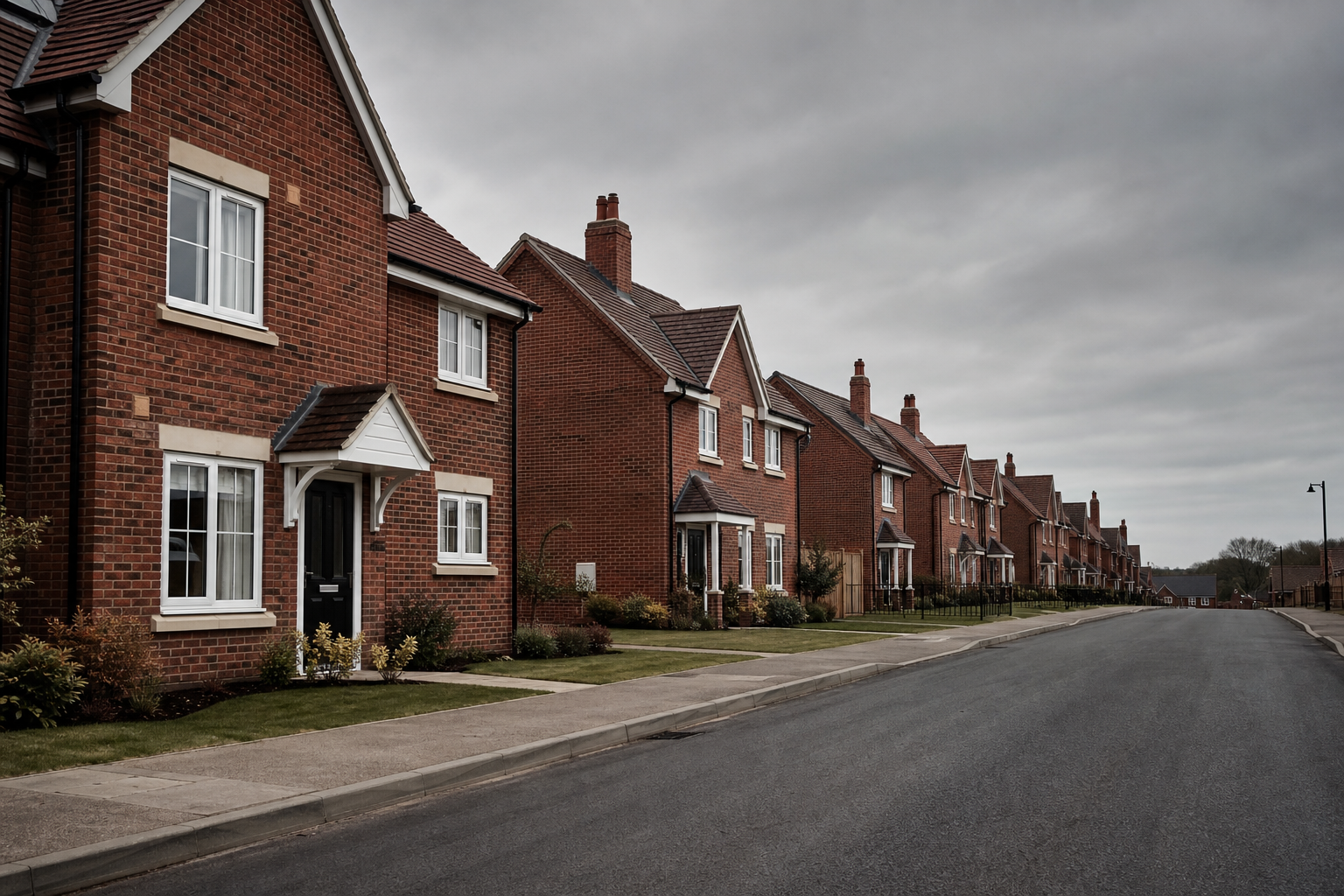
Norfolk and Suffolk have seen significant new-build development over the past decade. Large estates on the fringes of Norwich, in towns like Wymondham, Attleborough and Thetford, and across the Suffolk countryside, have been delivered by several of the firms named in this claim. Buyers who purchased new-build homes from any of the eight defendants during the relevant period could be eligible for compensation if the claim succeeds.
The potential impact on local buyers shouldn’t be underestimated. New-build developments have formed a significant part of the housing stock in these growing towns, according to Ivybridge Collection property market reports. If the tribunal finds that prices were indeed inflated, the ripple effect could extend beyond new-build buyers, since new-build prices are frequently used as comparables for second-hand property valuations.
This case raises a question that extends well beyond the courtroom: how are new-build homes priced, and does the market function as competitively as buyers assume?
The new-build sector has long operated differently from the second-hand market. Developers set asking prices based on build costs, land values and target margins rather than open market bidding. That pricing structure has always made the sector less transparent than the resale market. If the CMA’s findings are taken at face value, the reality was even less competitive than the structure alone would suggest.
For buyers in Norfolk and Suffolk considering a new-build purchase, the timing of this claim is notable. The region’s growing population and ongoing housing demand, particularly around Norwich and Ipswich, means new-build development won’t slow down any time soon. Understanding how prices are set, and whether they reflect genuine market competition, matters more than ever.
The claim must first be certified by the Competition Appeal Tribunal before it can proceed. If certified, affected homeowners won’t need to take any action individually. The collective nature of the claim means they would be included automatically unless they choose to opt out.
The housebuilders named have not yet publicly responded to the proposed claim. Given the sums involved, robust legal defence is inevitable. The CMA’s existing findings, and the £100 million the companies paid to settle that investigation, will form a significant backdrop to the proceedings.
Should the claim succeed, it won’t undo the prices people paid. But it could put meaningful sums back into the pockets of homeowners who, unknowingly, may have been on the wrong end of a less-than-competitive market. For Norfolk and Suffolk’s new-build buyers, that prospect is worth watching closely.