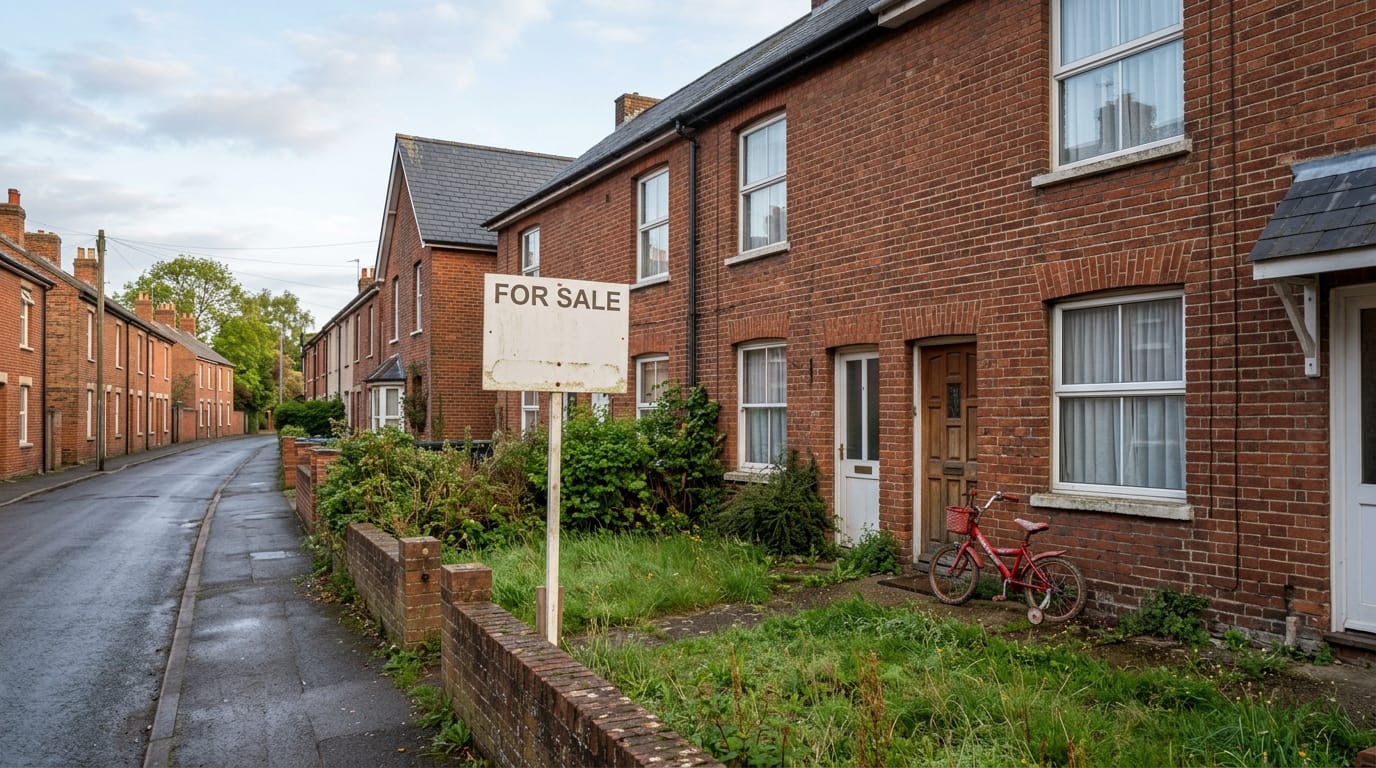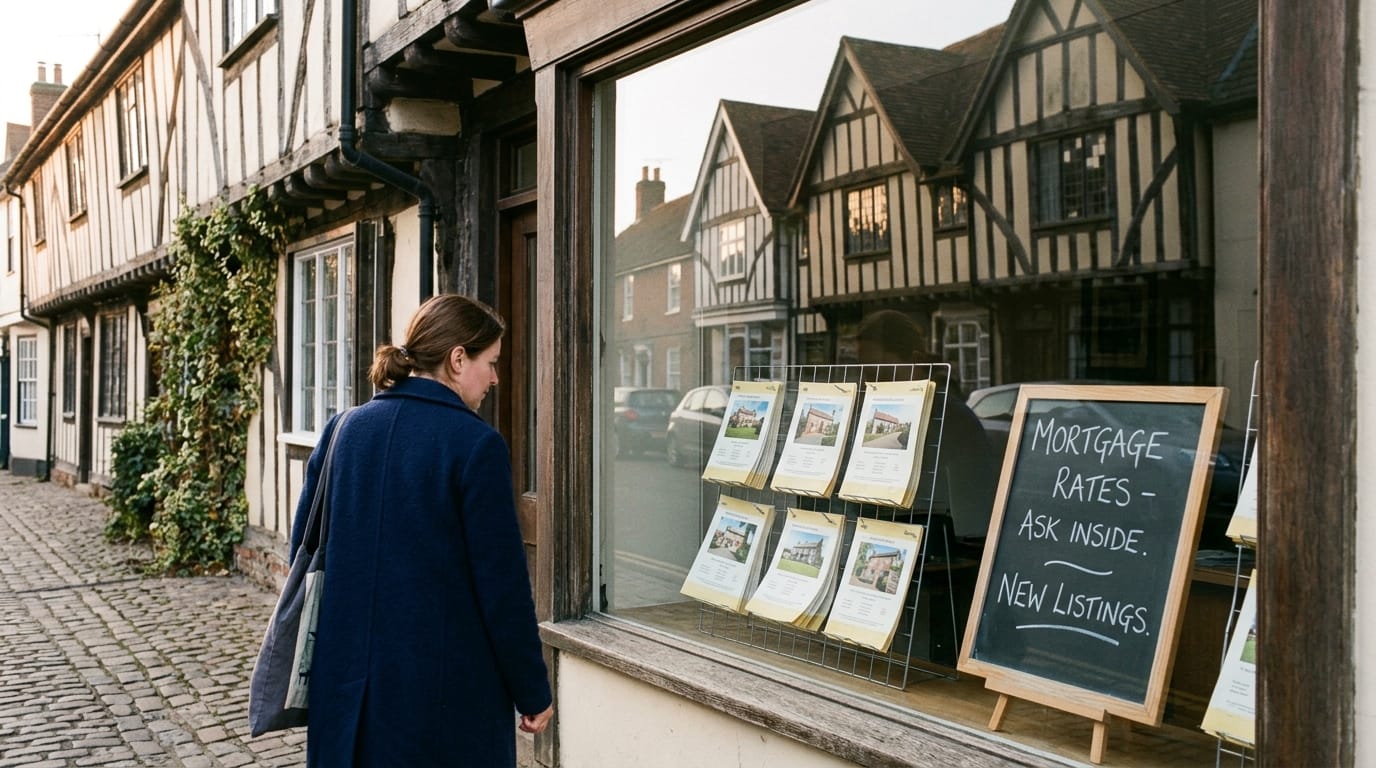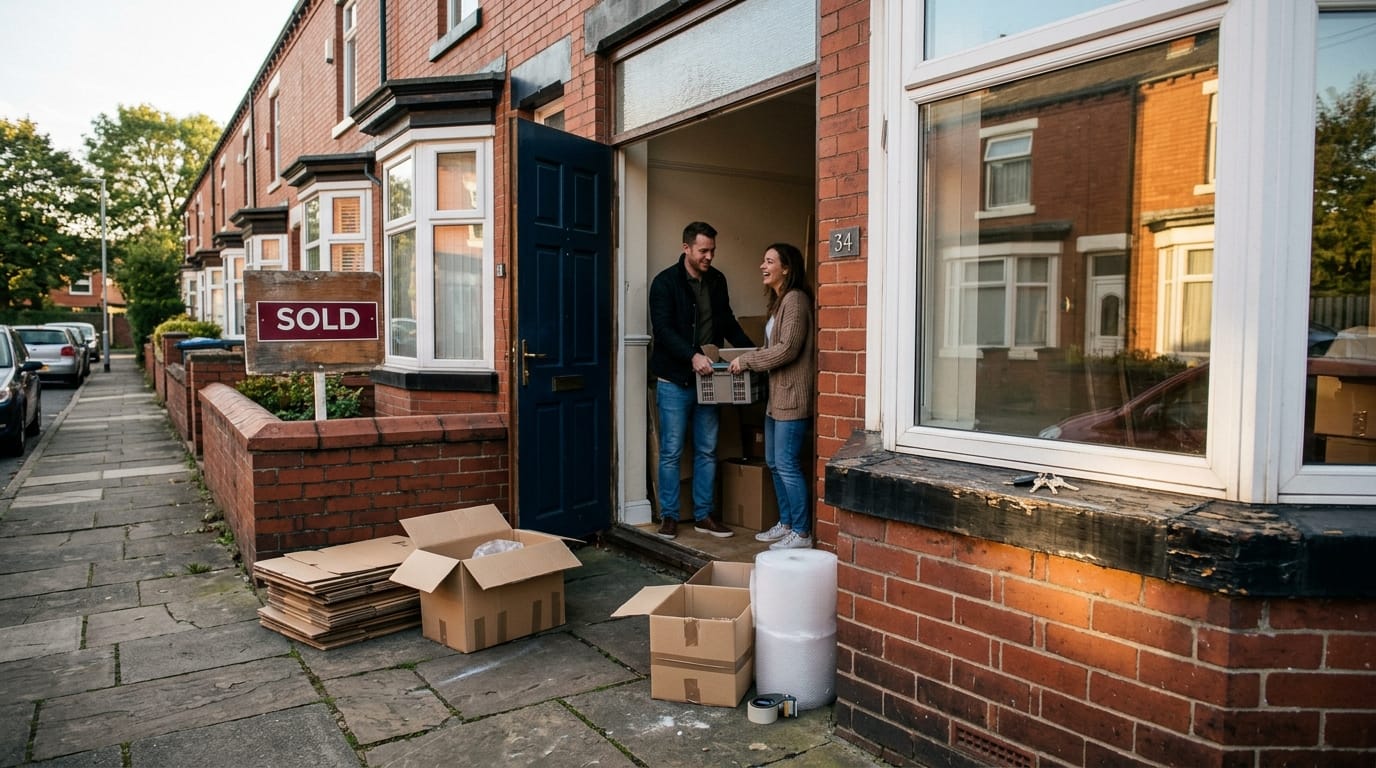
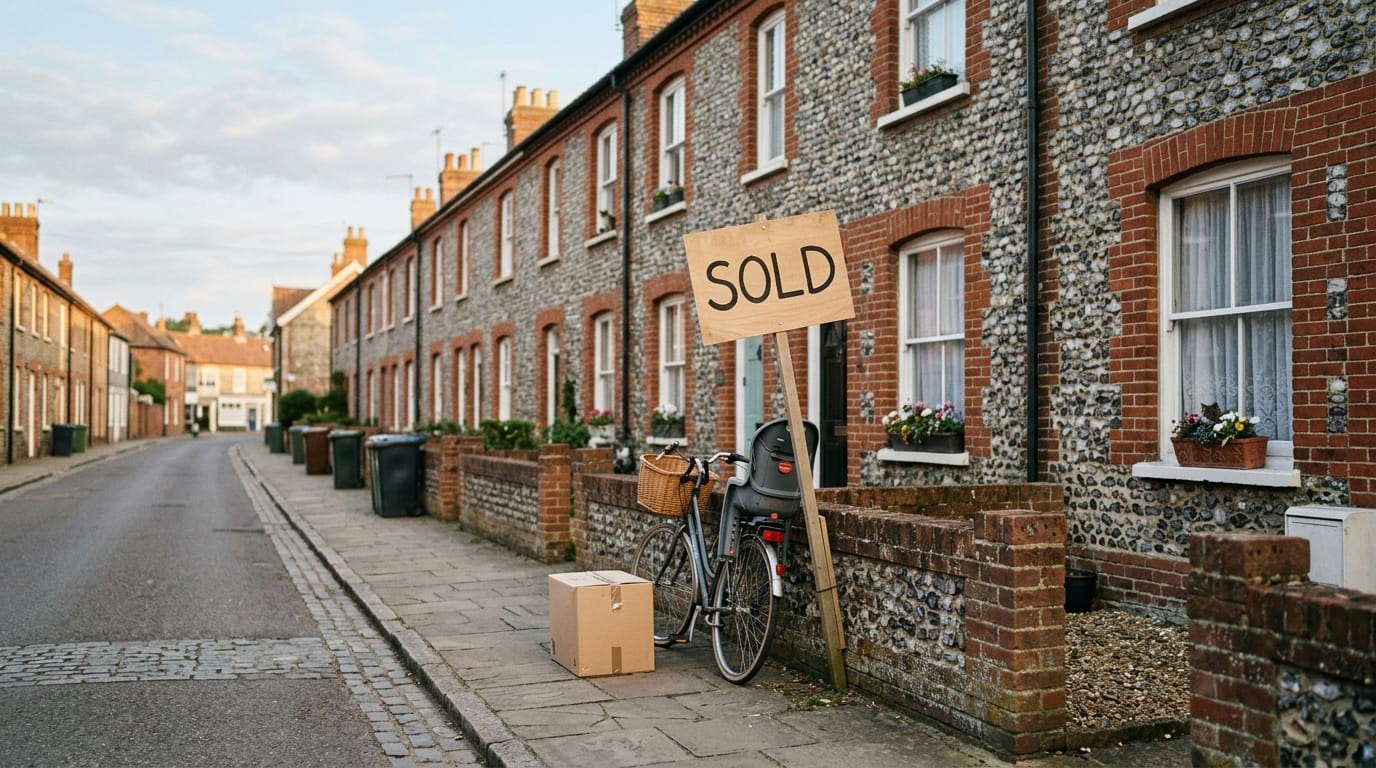
The average household in England stays in the same home for around 14 years. That figure, drawn from new English Housing Survey data and analysed by Nationwide, conceals a spread so wide that the average is almost the least useful number in the set.
Break it down by tenure and a much sharper picture emerges. Private renters move on after 4.7 years. Owners with an outstanding mortgage stay 8.9 years. Social renters remain 12.2 years. And owners who have paid off their mortgage entirely sit tight for 23.7 years.
Robert Gardner, Nationwide’s chief economist, put the gap plainly. “The average time spent in a home is around 14 years, although this masks significant differences across tenure types,” he said. “Those who own their home outright tend to have lived in their current home for much longer than other tenure types, at nearly 24 years on average.”
The tail is longer still. “There is a significant skew in the data, with around a third of those owning outright living in the same property for 30 years or more,” Gardner noted.
Thirty years in one house. That is a full working life spent in the same rooms, and it has direct consequences for how much property comes to market in areas where outright ownership dominates.
The private rented sector shows the mirror image. Around half of private renters have been in their current property for two years or less, according to Gardner’s analysis. Average tenancies have lengthened slightly over the past decade, but the sector remains defined by movement.
Mortgaged owners have gone the other way, with average residence falling a little. Gardner offered two explanations. Some of it may be genuine, with mortgaged owners moving more often. Some is compositional, as an ageing population steadily shifts households out of the mortgaged category and into outright ownership. He also pointed to a quarter of mortgaged owners having been in their home for two years or less, “suggesting higher first-time buyer activity in recent years may also be a factor.”
The survey also tracked churn for households that moved in 2024/25. Roughly three quarters of all moves happened within the same tenure type, with only a quarter crossing between tenures.
Renters moving to other rented homes made up the largest single share of activity at 640,000 moves, nearly double the number of owner-occupiers moving to another owned home.
Read that carefully and it undermines a comfortable assumption. The housing market is not primarily a ladder people climb. It is mostly people circulating within the tenure they already occupy, with a relatively thin flow between renting and owning.
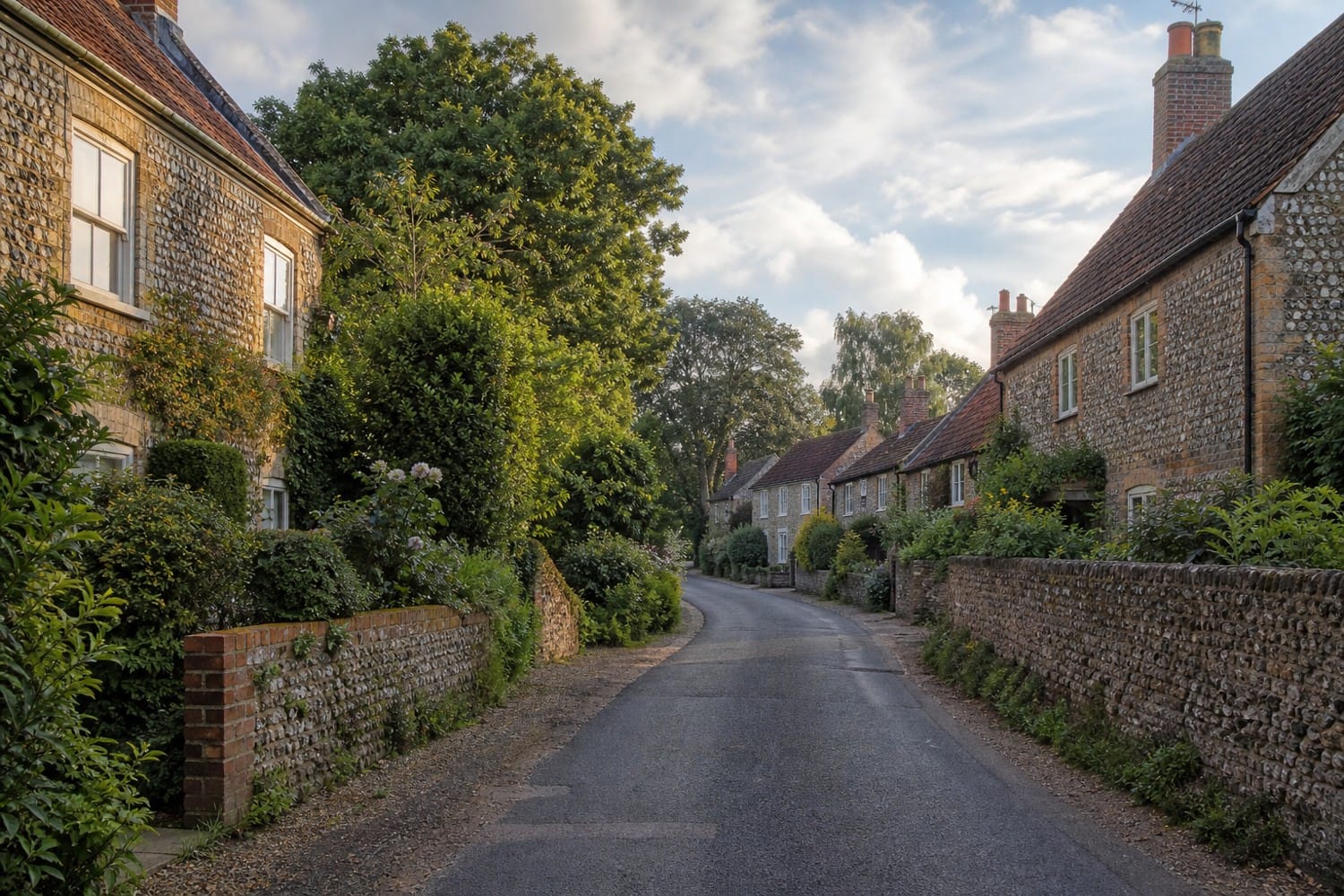
These national figures explain a great deal about how our two counties behave. Norfolk and Suffolk have high rates of outright ownership, particularly along the coast and in the retirement-heavy villages inland. If a third of outright owners stay 30 years or more, then in places where outright ownership is the norm, the supply of second-hand homes is structurally constrained by demographics rather than by sentiment.
It also explains why certain markets appear to move slowly while others turn over briskly. In Burnham Market, Southwold, Blakeney and Aldeburgh, a large share of owners have no mortgage and no pressing reason to sell. Transactions cluster around life events rather than market timing. In Norwich, with its much larger rented sector, turnover is far higher and stock replenishes more quickly.
Our property market reports cover 324 locations across Norfolk and Suffolk, and the tenure mix of a village is often a better predictor of how quickly it trades than its price bracket.
If you own outright in a low-turnover village, the pool of directly comparable recent sales is likely to be small. That makes pricing a genuine analytical exercise rather than a matter of glancing at the neighbours. Valuers and buyers will both be working from thin evidence, and thin evidence tends to produce cautious numbers unless someone does the work to establish where the property truly sits.
It cuts the other way too. Scarcity is real in these places. When a good house does come up in a parish where nothing has sold for two years, the buyer competition can be considerably stronger than the wider regional picture would suggest.
Long tenure among outright owners means a very large volume of housing is held by people who will eventually move for reasons of health, care or death rather than choice. That release is coming, unevenly and over years, and it will reshape supply in exactly the coastal and rural markets where stock has been tightest.
Meanwhile the 4.7 year renter average is the number policymakers should be watching. Every one of those households is a potential buyer whose plans are currently measured in months rather than decades. The distance between 4.7 years and 8.9 years is the distance between renting and owning, and closing it does more for market activity than any single interest rate decision.