
Andy Burnham used his second week as Prime Minister to hand English mayors a share of income tax revenues for the first time, alongside new planning powers designed to unlock stalled housing sites. The announcement, made on 30 July, was billed by Downing Street as the biggest transfer of power, funding and responsibility from Westminster in a generation.
For Norfolk and Suffolk, where large parts of both counties sit outside a mayoral authority, the detail matters more than the rhetoric.
Mayors will begin retaining a greater share of locally generated revenue from next spring, starting with business rates. Income tax retention comes later, with a roadmap promised at the Budget and, as the press release put it, underpinned by “the government’s firm commitment to fiscal discipline”. That caveat is doing a lot of work. Nothing about the income tax share is costed or dated yet.
The powers list is broader than the money. Local leaders are to gain stronger planning and regeneration powers explicitly aimed at unlocking stalled development sites, greater control over rail and bus services, control of 16-19 education funding and employment support, and more say over large transport schemes including trams and metros. A new “local first” principle will require ministers to justify why any power should stay in Whitehall rather than move out of it.
Burnham’s own framing was characteristically direct. “I said we’d take power out of Westminster and carry it into every postcode in the country,” he told Cabinet. “I know what it’s like to be ignored by politicians in Westminster. I’m not going to make that same mistake now I’m PM.”
Chancellor John Healey tied the income tax share directly to local growth: communities “directly benefit when their economy grows”. Housing Secretary Angela Rayner went further, describing an end to what she called “the begging-bowl culture of the past”.
The evidence the government leaned on is instructive. West Yorkshire’s Housing Investment Fund, worth up to £334 million, is cited as unlocking land and reviving stalled sites to support thousands of homes. Liverpool City Region gets credit for transport integration. The North East is credited with helping 65,000 residents gain qualifications, including in construction.
Every one of those examples is an established mayoral combined authority with years of institutional muscle behind it. That is the gap between the announcement and the reality on the ground in East Anglia.
The press release is explicit that areas without a mayor “will still be supported to establish strategic authorities and gain greater control over local priorities”. In other words, the full financial package sits at the end of a process rather than at the start of one. Counties without a settled mayoral structure will see the planning and funding powers arrive later, and in a form still to be negotiated.
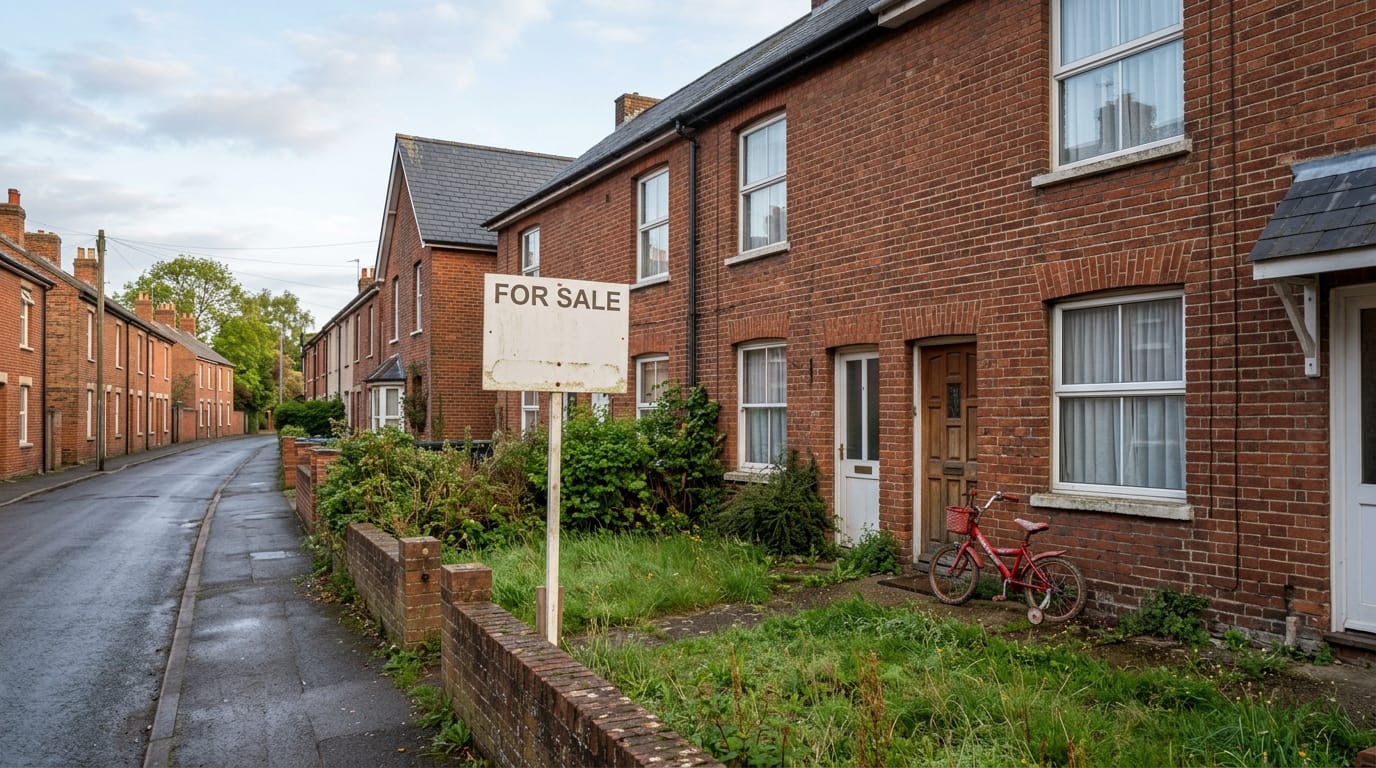
That has a straightforward implication for anyone with a development interest, a stalled site, or a long-held plot of land in either county. The decision-making venue for planning is going to move, and the direction of travel is towards larger strategic bodies with stronger powers to push schemes through. Land that has sat in the “maybe one day” category for a decade becomes more interesting under that regime, not less.
Devolution has a mixed record when it comes to house prices. Better transport connectivity is the clearest value driver. Integrated ticketing and locally controlled bus networks matter enormously in a region where rural connectivity is the binding constraint on commuter demand, and where a village 12 miles from a market town can trade at a substantial discount to one four miles away.
Faster planning consent cuts both ways for existing owners. More supply moderates price growth. Better infrastructure and more local employment support it. Which effect dominates depends entirely on execution, and on whether the new powers arrive with genuine money attached or simply with new responsibilities.
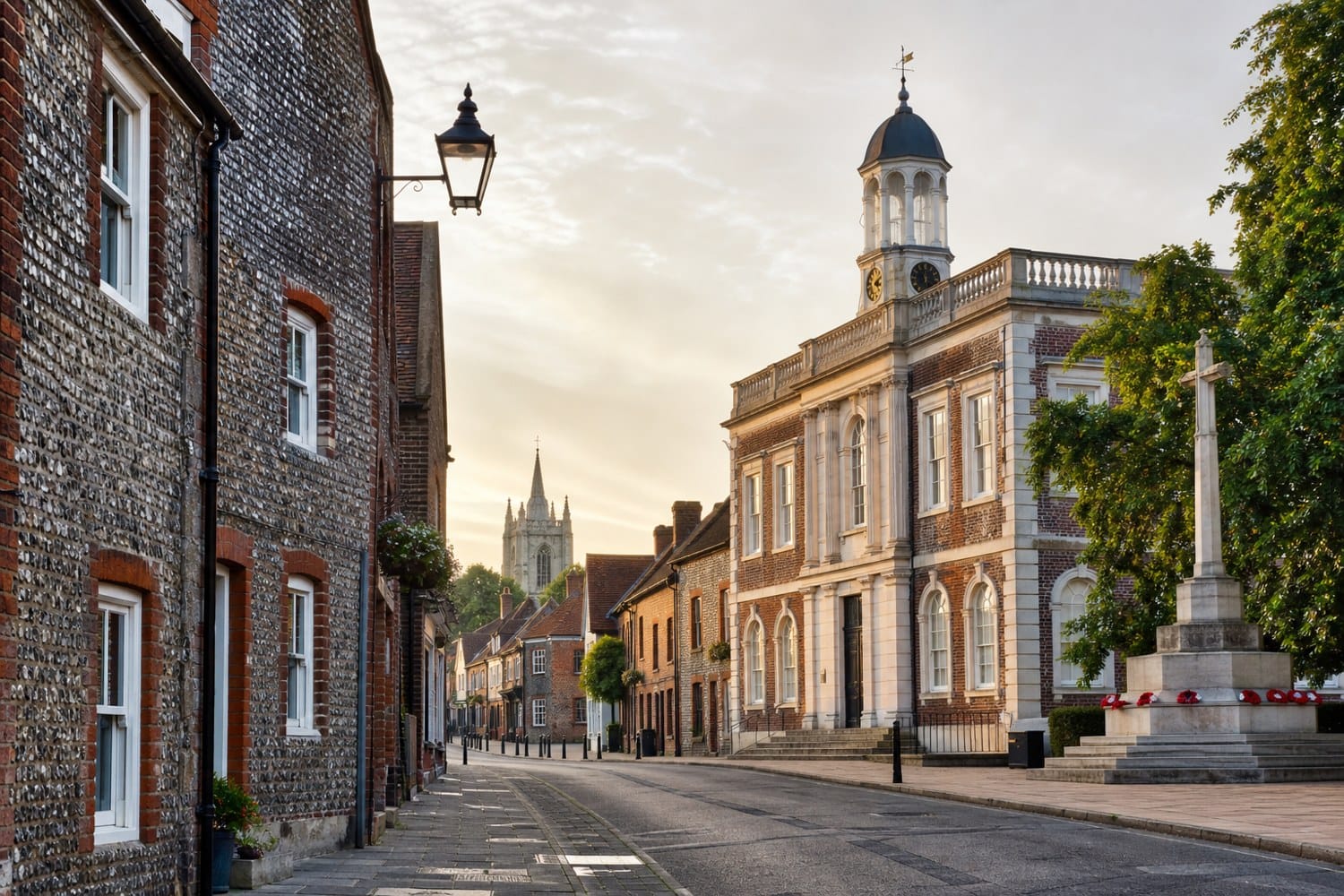
Our 324 location market reports consistently show how sharply values diverge over short distances in Norfolk and Suffolk. Places like Wymondham and Attleborough have absorbed significant new supply while holding value, largely because they combine rail links with genuine local amenity. Where new housing arrives without that infrastructure, the record is less kind.
Jason Tebb, President of OnTheMarket, offered a fair reading of the new administration this week. “While the appointment of Andy Burnham perhaps adds to that uncertainty, it does give us a Prime Minister for whom housing is near the top of the agenda rather than at the bottom,” he said. “Whether that turns into homes built and problems solved, or just another bold set of promises, is the question that will define his time at Number 10.”
That is the honest assessment. Devolution announcements have a long history of arriving with fanfare and departing with footnotes. The test will be the Budget roadmap, and specifically whether income tax retention is quantified.
Three things. First, the Budget roadmap on revenue retention, which will show whether this is a genuine fiscal transfer or a rebadging exercise. Second, any move towards a strategic authority covering Norfolk or Suffolk, because that determines when the planning powers land here. Third, the local plan consequences, since stronger regeneration powers change the calculus on sites that have stalled for years.
Owners of land with development potential, particularly around the market towns and the fringes of Norwich, have reason to pay attention. The planning environment they will be dealing with in three years’ time may not be the one they have grown used to.
Power moving closer to home is generally good news for a region that has spent decades watching investment decisions made 100 miles away. Whether it translates into homes, roads and rail here rather than in the places that already have mayors is the question nobody in Westminster answered on Thursday.