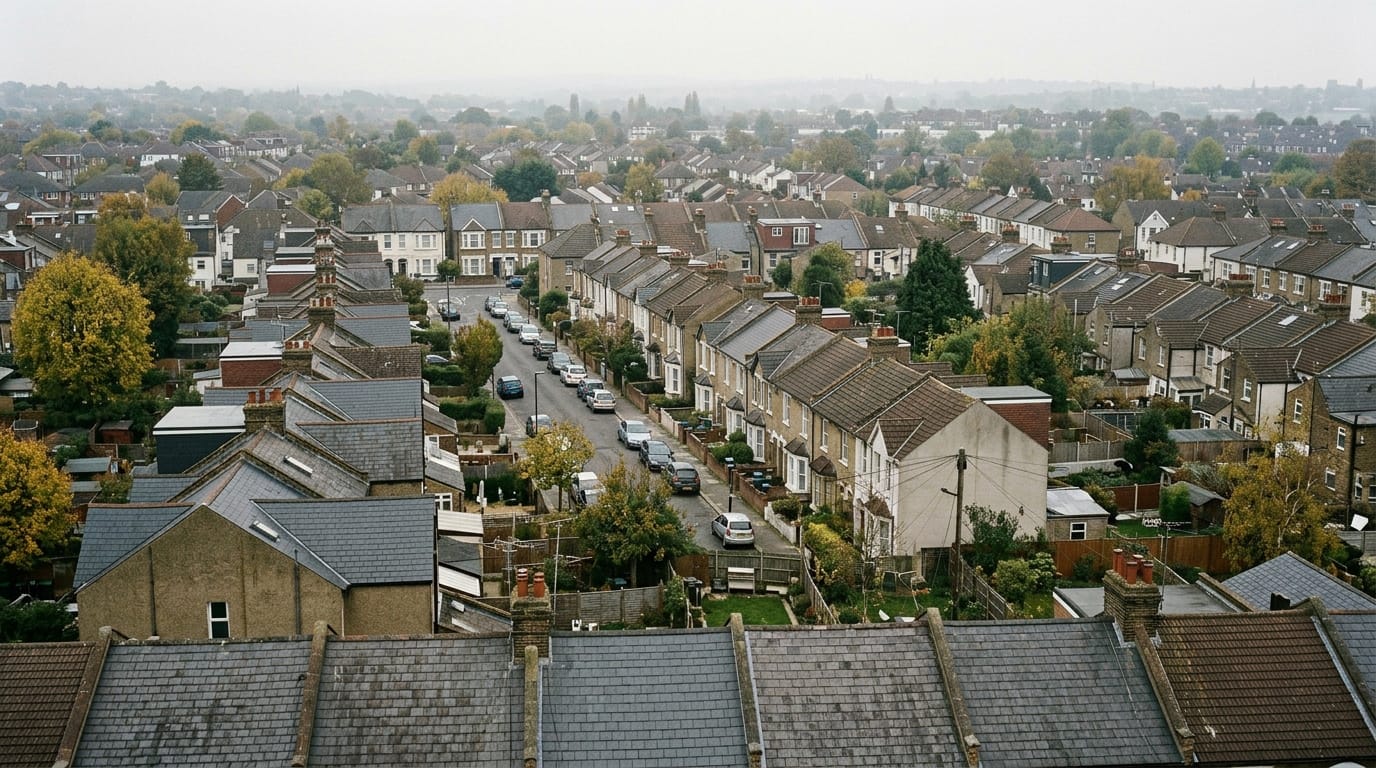


Government efforts to unfreeze the UK housing market will fail unless ministers address the structural drag of Stamp Duty Land Tax. That is the warning from Stephen Hemmings, partner at accounting and advisory firm Menzies, who argues that broader tax incentives are urgently required to help housebuilders deliver homes that buyers can actually afford to purchase. Without structural fiscal reform, piecemeal measures aimed solely at stimulating buyer borrowing risk aggravating an already sluggish transaction environment.
The critique lands at a sensitive moment for the housing market. For months, policy discussions have leaned heavily toward subsidised deposit schemes, targeted lending guarantees, and mortgage guarantees designed to stretch affordability for first-time buyers. Yet developers and tax specialists argue that such demand-led interventions miss the real problem. If developers face punitive tax burdens on land assembly, infrastructure, and commercial viability, housing completions will continue to fall short of local demand.
Supply constraints are felt sharply across East Anglia. In counties like Norfolk and Suffolk, the economic reality facing regional housebuilders differs significantly from the urban development model of major metropolitan centres. Smaller, regional builders operate on narrower margins, frequently navigating complex planning constraints across rural pockets, coastal zones, and market towns.
When developers must absorb rising land costs, elevated financing rates, and heavy regulatory overheads, their capacity to bring viable sites forward shrinks. Adding demand-side stimulus without easing transaction taxes simply creates an artificial squeeze. Prospective buyers arrive with supported purchasing capacity, only to find an acute shortage of high-quality, newly built stock. The result is price inertia rather than sustainable volume growth.
As Stephen Hemmings has pointed out, developers need substantive tax support if they are to supply homes at scale. High stamp duty liabilities on subsequent sales, coupled with steep land transaction costs, penalise both the creator of the home and the household trying to climb the ladder. The current structure actively disincentivises downsizers from freeing up family homes, compounding the shortage of secondary stock available to regional buyers.
The consequences of this policy friction are already visible across the regional market. Figures across 31 monitored areas in Norfolk and Suffolk show an average property price of £670,932, with annual price growth sitting dead flat at 0.0 percent. While top-line values have not dropped, the pace of underlying trading reveals severe friction under the surface.
Homes across the two counties now take an average of 263 days on the market to secure a transaction. That extended marketing period reflects buyers who are cautious, affordability-stretched, and unwilling to overpay in the face of hefty upfront transaction taxes. At the same time, the proportion of homes reaching the sold subject to contract stage sits at just 21 percent. Nearly four out of five listed properties remain uncommitted, illustrating how transaction taxes choke turnover even when headline prices refuse to budge.
For many households across Norfolk and Suffolk, stamp duty represents an immovable upfront hurdle. On an average home valued at £670,932, the tax charge amounts to tens of thousands of pounds in dead capital that cannot be rolled into a standard mortgage. That cash must come out of savings that would otherwise fund deposits, refurbishments, or moving costs. When families cannot justify that expense, they stay put.
The systemic flaw of Stamp Duty Land Tax lies in its power to stop chains before they start. Because the tax increases sharply at higher price bands, it penalises movement at the exact point where natural family transitions ought to happen. Empty-nesters occupying large, four-bedroom family homes in market towns like Woodbridge, Bury St Edmunds, or Holt frequently decide against downsizing because the tax friction on buying a smaller single-storey property erodes their equity release.
This creates a downstream blockage. Second-steppers cannot step up into larger homes, leaving fewer entry-level terraced houses and cottages free for newer entrants. Even where buyers possess the earnings to service a mortgage, the friction of the tax keeps liquidity locked. An SSTC rate of 21 percent is the direct mathematical consequence of this paralysis. The homes are listed, interest is registered, but the financial friction of completing the chain delays sales for the better part of nine months.
Targeting tax reform directly at developers could unlock new supply, yet broader reform of the residential duty bands remains equally pressing. If builders are granted relief on site acquisition and brownfield remediation, the cost base of creating new communities eases. If that relief is paired with reforms that lower the barrier for movers, transaction velocities can return to healthy historic norms.
The persistent gap between nominal values and market liquidity cannot continue indefinitely without structural change. With average marketing periods spanning 263 days, sellers in Norfolk and Suffolk are having to recognise that stability in asking prices does not equate to an active market. Transactions require buyers who possess both the means and the motivation to absorb significant upfront levies.
Calls for a fundamental review of property taxation will only intensify as supply targets face persistent shortfalls. Relying solely on demand-side subsidies while ignoring the fiscal weight borne by builders and movers treats the symptom while aggravating the disease. Meaningful reform that eases transaction friction could transform the East Anglian property market from an environment of prolonged waiting into one of fluid, sustainable movement.