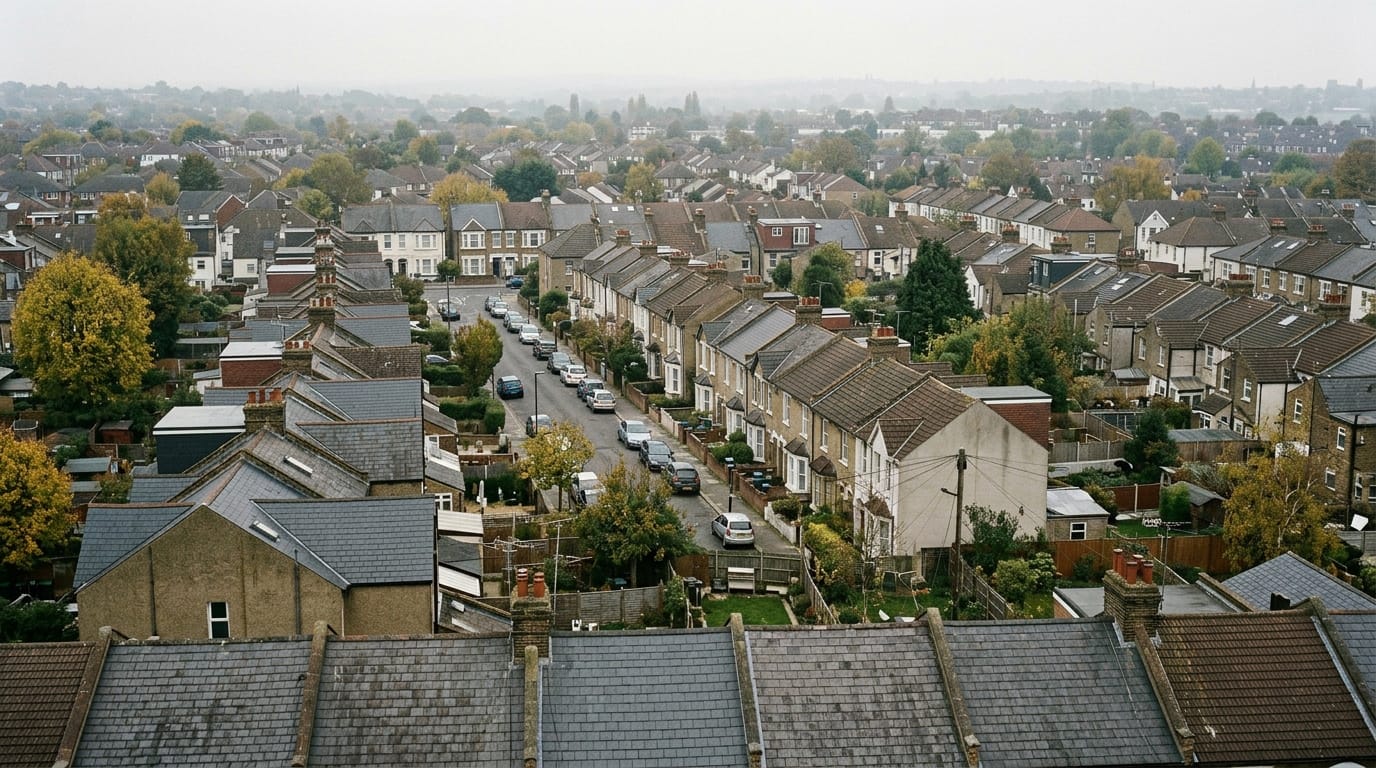
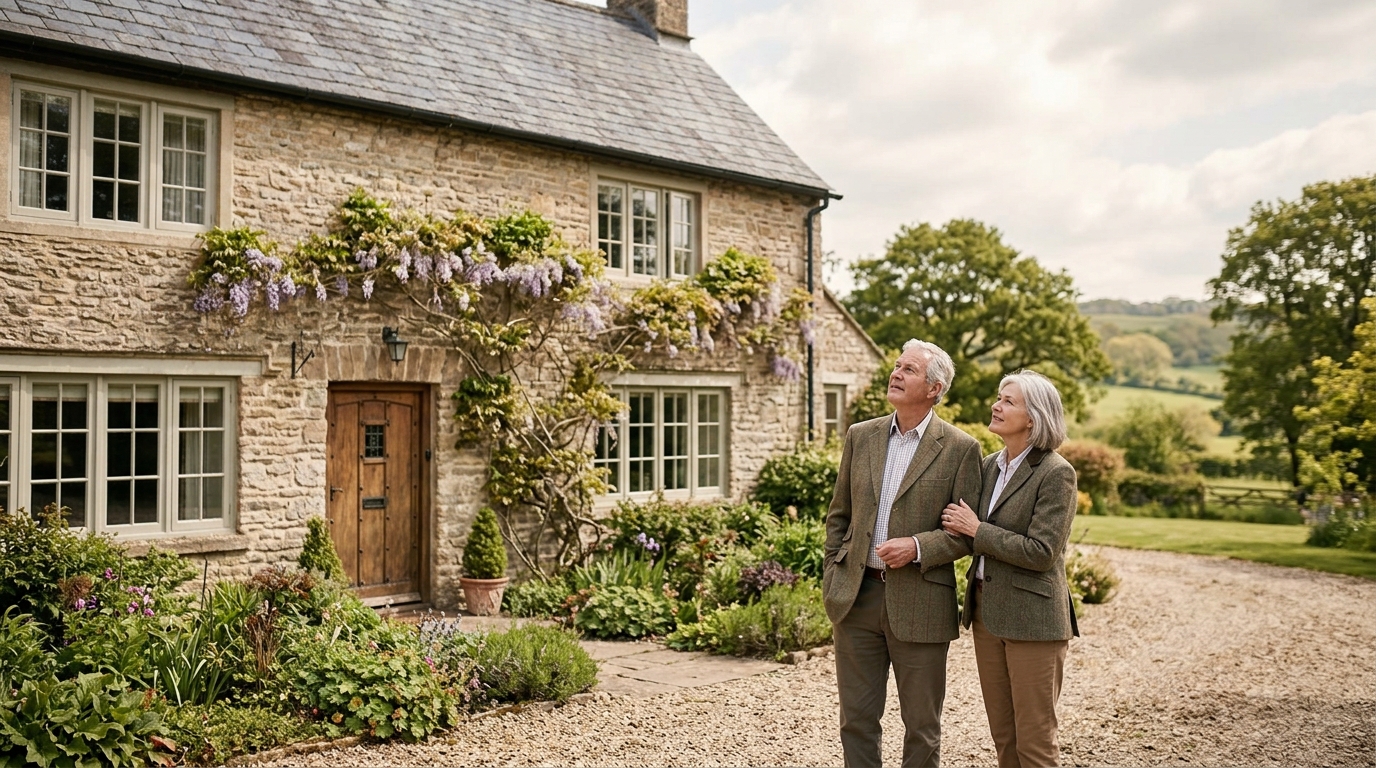
Setting an asking price for a suburban semi-detached house is largely an exercise in arithmetic. When dozens of identical properties have exchanged hands nearby over the preceding twelve months, establishing market value requires little more than reviewing recent land registry records and adjusting slightly for decorative condition. For distinctive country properties, former rectories, converted barns, and architect-designed homes across Norfolk and Suffolk, this straightforward approach entirely breaks down.
When a home possesses unique architectural character, substantial acreage, or an individual village setting, genuine comparables rarely exist. No two period homes share the exact same floor plan, orientation, structural state, or balance of outbuildings. This individuality presents a classic valuation dilemma. Pitch the asking price too high, and the listing risks languishing unnoticed for months. Pitch it too low, and you leave significant equity on the table. Establishing true market value for an individual home requires moving beyond basic algorithms to adopt a disciplined, multi-layered valuation strategy.
The foundational step in pricing a non-standard home is deconstructing the property into its core components. Rather than seeking a single identical transaction, experienced valuers assemble an appraisal from distinct elements. This involves establishing a base residential rate for the main dwelling, then independently evaluating ancillary assets such as converted outbuildings, secondary accommodation, paddocks, and private woodland. Each component attracts a specific demographic. A buyer seeking multi-generational living places high utility on a self-contained annexe, whereas an equestrian buyer calculates value through acreage, drainage, and stable infrastructure. By assessing these component values separately, an agent can build a structured, defendable pricing rationale.
Another vital technique is expanding the search radius while narrowing the lifestyle criteria. Sellers often make the mistake of looking only at their immediate parish. If your village contains only three substantial homes, local transaction records may offer zero guidance for years at a time. Sophisticated buyers of distinctive property rarely search by narrow geographic boundaries. Instead, they search by property typology, architectural integrity, and commute corridors. A buyer seeking a Georgian farmhouse will evaluate homes across wide stretches of both Norfolk and Suffolk. Looking at similar lifestyle properties across this wider regional landscape provides genuine market benchmarks that immediate postcodes cannot supply.
Understanding local liquidity is equally essential when establishing an ambitious price. Across regional territories, high-value country homes frequently experience extended marketing campaigns, with regional listings averaging 263 days on the market and overall sales rates sitting near 21 percent subject to contract. When only one in five marketed properties successfully agrees a sale at any given time, pricing precision becomes critical. An over-optimistic valuation quickly pushes a distinctive property past the window of peak buyer engagement, turning an exceptional home into an overlooked listing.
To avoid this outcome, sellers must examine historical sales through a replacement-cost lens. This approach estimates what a prospective purchaser would need to spend to acquire a standard home and bring it to an equivalent standard. Period craftsmanship, matured specimen gardens, extensive flint masonry, and high-specification timber framing carry replacement costs that far exceed conventional modern building rates. Documenting these elements provides a firm, logical defence of value when buyers inevitably attempt to negotiate.
Ultimately, valuing a one-of-a-kind home demands a clear testing strategy. By positioning the home at a carefully calibrated guide price that aligns with standard digital search brackets, sellers can generate competitive tension among serious buyers. When genuine comparables are absent, the market will reveal the final value, provided the property is introduced with analytical rigour, pristine presentation, and a realistic grasp of buyer demand.