

It started, as these things often do, thousands of miles away. The yield on the US 10-year Treasury note pushed through 5% this week, a level the bond market has not sustained since 2007. It sounds like a technical footnote from Wall Street. It is not. It is a signal that is already travelling through the global financial system, into British gilts, into the swap rates that price UK mortgages, and eventually into the conversations local estate agents are having with buyers and sellers across East Anglia.
The yield, which serves as a benchmark for borrowing costs across the globe, rose as much as five basis points to 5.04% on Tuesday, the highest since 2007, before wrapping up the New York session at 5.00%. The jump came after oil prices jumped anew on concern that crude supplies could be further choked off as the war in the Middle East widens. In other words, this is not a story purely about American fiscal policy or Federal Reserve deliberations. It is a story about energy, inflation expectations and the price governments everywhere must now pay to borrow.
The consequences for ordinary households are not abstract. The 10-year yield’s rise to multi-year highs could mean higher costs for Americans who want to buy a home, finance a car or take out other loans. The rise in yields has sent mortgage rates climbing, with the average 30-year fixed mortgage rate rising to 6.76% last week, up from 6.15% at the start of the year. One fixed-income strategist put it bluntly to CNN: “What we’ve been communicating to our clients is ‘normal for longer,’ meaning these factors are here to stay.” That phrase, normal for longer, is arguably the more important story than the 5% headline itself. It suggests the era of ultra-cheap borrowing that shaped the last fifteen years of the housing market, on both sides of the Atlantic, is not coming back any time soon.
Anyone tempted to treat this as an American problem should look closer to home. British 10-year gilt yields touched their highest level in more than 19 years, striking 5.295% on a Thursday, the highest since August 2007, as prices extended a selloff after oil prices rose above $100 a barrel for the first time in six weeks. That is not a coincidence sitting alongside the American move. UK gilt yields are rising due to a selloff sparked by rising oil prices and broader global trends increasing borrowing costs. The two markets are, in effect, telling the same story from different sides of the Atlantic.
Crucially, this has not deterred investors from lending to the UK government, at least not yet. The UK Debt Management Office released the result of an auction of £5 billion of 4.625% May 2030 gilts, which drew a robust £16.2 billion in bids. Demand remains strong. The price of that demand, however, is a yield that keeps climbing, and that matters enormously for anyone with a mortgage or about to take one out.
Here is the mechanism that estate agents rarely get asked to explain but which shapes every fixed-rate deal on the high street: swap rates are the primary benchmark for pricing fixed-rate mortgages in the UK, and when swap rates rise due to market expectations of higher interest rates, lenders typically increase mortgage rates to maintain margins. Gilt yields feed directly into those swap rates. So when the 10-year gilt climbs to a 19-year high, it is not simply a headline for the financial pages. It is the first domino in a chain that ends with a slightly higher monthly repayment for a family in Bury St Edmunds or a young couple viewing their first flat in Norwich.
All of this is unfolding just ahead of the Bank of England’s next scheduled rate announcement. Bank Rate currently stands at 3.75%, and the Bank of England is predicted to hold interest rates again, with most economists expecting rates to remain at 3.75% for the rest of 2026. A hold at Threadneedle Street would not, on its own, undo the upward pressure already built into fixed-rate pricing by the bond market moves of the past fortnight. Base rate and mortgage rate are related, but they are not the same thing, and this week is a useful reminder of why.
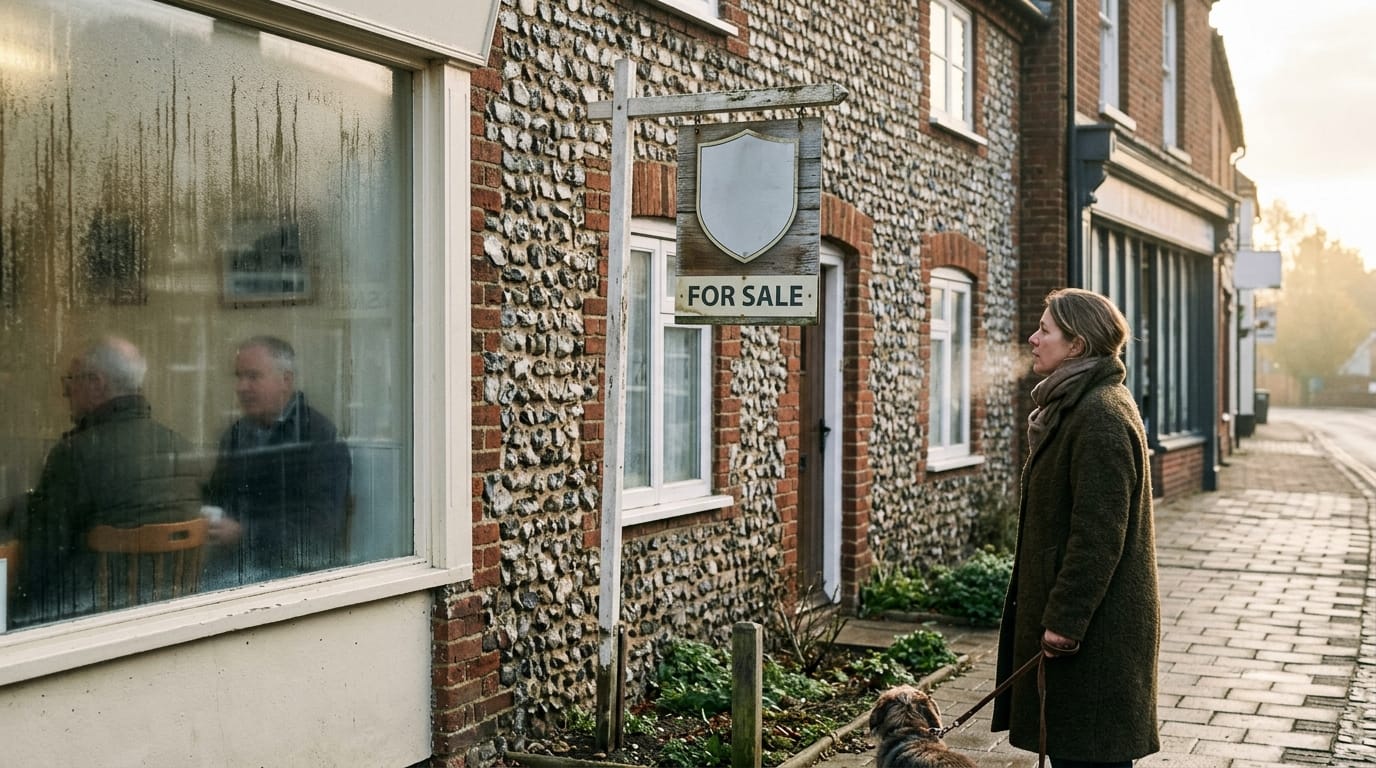
Regional markets like ours do not exist in a bubble insulated from Wall Street or Whitehall. Norfolk and Suffolk have, over recent months, been characterised by a patient rather than a frantic market, with properties across the two counties currently taking an average of 267 days to find a buyer. That patience was built in an environment where mortgage pricing, while far from cheap, had at least stopped climbing. A renewed leg upward in swap rates, driven by exactly the kind of global bond turbulence we have seen this week, risks testing that patience further.
For sellers, the practical implication is straightforward, if unwelcome: pricing realistically matters more, not less, when the cost of borrowing to buy your home is edging higher rather than falling. Buyers who had been quietly waiting for fixed-rate deals to drift down over the coming months may now find that expectation delayed. For those close to remortgaging, the message from this episode is one of urgency rather than alarm. Rate movements of this kind can reverse as quickly as they arrived, particularly if oil prices ease or inflation data surprises to the downside, but nobody buying a home in Diss or Woodbridge this month can plan on that reversal happening on cue.
There is also a psychological dimension worth acknowledging. Local buyers watching headlines about Treasury yields at their highest since 2007 could be forgiven for feeling that a market already defined by longer selling times has just been handed another reason for caution. Estate agents on the ground would do well to address that anxiety directly with clients rather than letting it sit unspoken during viewings and valuations.
None of this points towards a repeat of the sharp mortgage shocks of 2022. The scale, so far, is different, and the causes, chiefly energy prices and global bond supply, are more gradual in how they filter through to household budgets. But the direction of travel is unmistakable, and it is a global one. What happens in the Treasury market in Washington this week will keep shaping what a five-year fix costs in Ipswich next month. Norfolk and Suffolk’s housing market has weathered slow-moving pressure before. The question now is how much patience buyers and lenders alike are willing to show while the world’s bond markets work out what “normal” looks like from here.