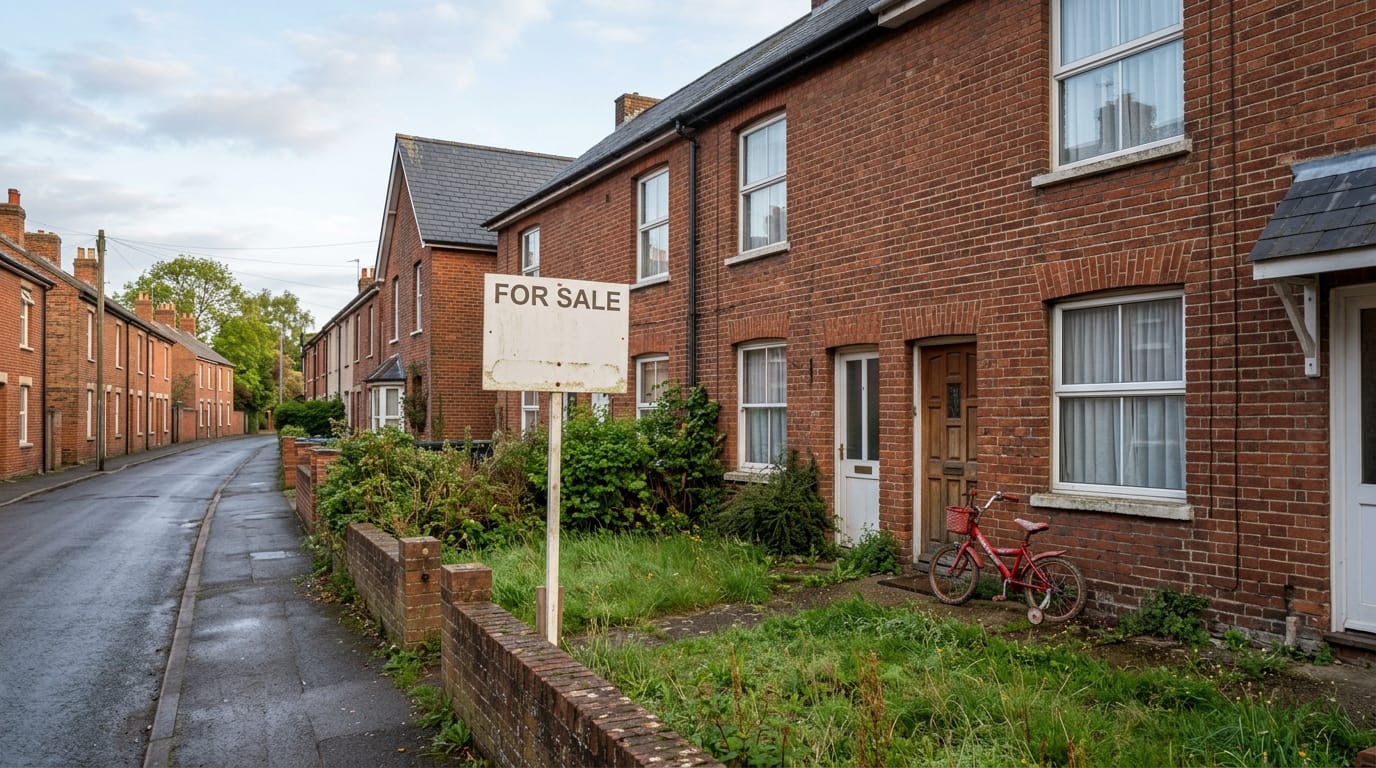

A national property investment group has confirmed plans to spend at least £10 million buying up estate and letting agencies over the coming months, with eight further deals already working through due diligence. It is a sign of how quickly consolidation is accelerating across the UK agency sector, and it raises pointed questions for independent firms operating in markets like Norfolk and Suffolk, where trading conditions have grown noticeably harder over the past year.
The group has already completed four acquisitions in 2026, including a deal that brought a national franchise network of more than 100 agents into its fold. The property group completed four acquisitions during the year, including a national estate agency network that added 104 franchisees to the group. With most of the remaining eight deals expected to close before the year is out, the buyer’s own network now stretches to more than 230 operators.
What makes this round of consolidation notable is not simply the scale of the spending, but the reasoning behind it. The group’s chief executive, Stephen Moss, says conversations with independent agency owners point to a new and specific driver of exit decisions: artificial intelligence. “AI is now coming up regularly in our conversations with agency owners,” he said. “Some are excited about the opportunities it creates, but others are genuinely concerned that their business could be left behind if they do not continually invest in new systems and change the way they operate.”
That is a different narrative to the one that dominated agency sales a decade ago, when portal fees and online-only rivals were the source of anxiety. Many owners, Moss suggests, have already been through one painful cycle of adaptation and are reluctant to face another. As he put it, agency principals “are now asking themselves whether they want to spend the next five or ten years trying to keep pace with another major shift.”
Crucially, this is not being framed as a fire sale of struggling businesses. In many cases the agency is performing well, but the owner feels ready for a different chapter. The decision, Moss argues, is rarely just about money. Selling is not purely a financial decision, he says, because owners want to know what will happen to their employees, clients and the reputation they have built.
The £10 million figure is being presented deliberately as a floor rather than a ceiling. “The £10m is a minimum rather than a ceiling,” Moss said. “If the right businesses come forward, we have the appetite to invest further.” The group says it is targeting established agencies with dependable income and capable teams, and that it wants to speak with owners who are ready to sell, as well as those who are beginning to think about retirement or succession over the next few years. Every deal, it says, will go through financial, legal and operational scrutiny before completion.
This is not an isolated move. Coverage across the trade press this week shows a pattern of near-weekly agency acquisitions building through late summer and into autumn, from multi-branch takeovers to smaller independent deals, suggesting the appetite for buying agency books is broad-based rather than confined to one buyer. The direction of travel is unmistakable: ownership of the high street agency is consolidating into fewer, larger hands.
For agents and vendors across the region, this national story lands against a distinctly local backdrop. The average property price across the 31 areas we track in Norfolk and Suffolk currently stands at £673,314, having recorded no year-on-year growth at all. Flat pricing of that kind tends to mask a harder underlying truth: properties are taking far longer to sell than owners expect, with the average time on market across the region now running at 269 days, the best part of nine months.
Only 22 per cent of listings are currently sold subject to contract at any given time, a figure that tells its own story about buyer caution and the effort required to convert viewings into offers. In a market moving this slowly, the operational and cash-flow pressure on smaller independent agencies is real. Marketing budgets have to stretch further, staff time is tied up longer per instruction, and the promise of AI-driven valuation tools, automated compliance checks and lead-generation systems becomes harder to ignore when competitors are investing in them and your own pipeline has slowed.
It is precisely this kind of environment, established local reputations paired with sluggish transaction volumes, that tends to produce succession candidates for national consolidators. An owner who built a strong client book over twenty years but is watching average marketing periods stretch past nine months may reasonably conclude that the next phase of technological investment is better funded by a larger group than by their own balance sheet. The acquiring group’s own language, that it wants to talk to those beginning to think about retirement or succession over the next few years, is aimed squarely at that profile of owner.
None of this means local independents are disappearing overnight, and plenty will continue to thrive on the strength of personal service and area knowledge that national platforms struggle to replicate. But vendors choosing an agent in Norfolk or Suffolk over the coming months would do well to ask about ownership stability and technology investment plans, given how visibly the ground is shifting beneath the sector nationally.
A market with a 22 per cent SSTC rate and near nine-month average marketing periods is not one where sellers can afford to be complacent about who is handling their sale, or how well resourced that agency will be in eighteen months’ time. Consolidation of this kind rarely announces itself locally through a single dramatic event. It shows up gradually, in the changing signage on a familiar high street office, and in the technology and pricing strategy that a newly acquired branch brings with it. For a region already grappling with flat prices and slow completions, the coming wave of agency ownership changes deserves closer attention than it is currently getting.