
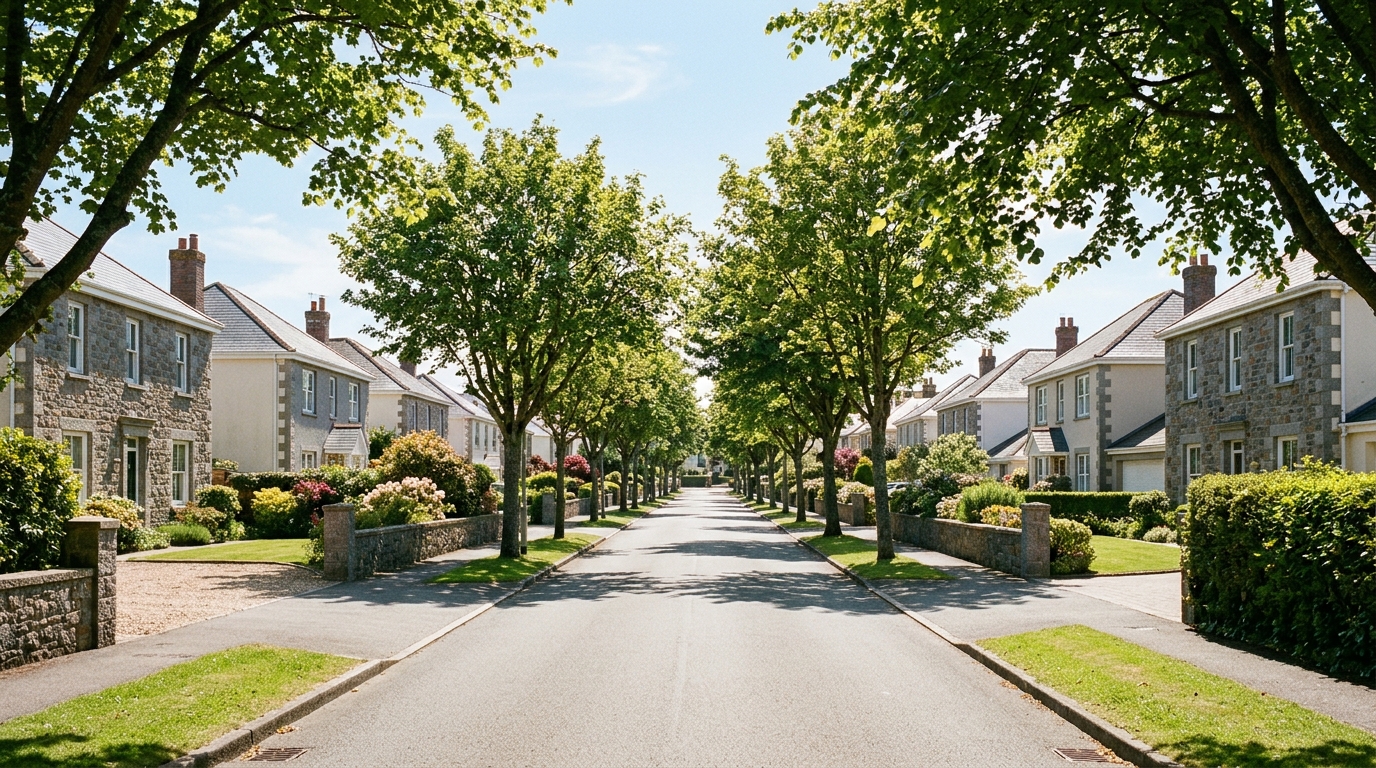
Guernsey’s housing market shifts with borrowing costs while Norfolk and Suffolk hold steady
Mortgage costs are shaping property decisions well beyond the mainland. BBC Business reported this week that rising interest rates and elevated borrowing costs are creating noticeable shifts in Guernsey’s housing market. The island, which splits its housing into Local and Open markets and has historically high capital values, faces a familiar test as buyers adjust their borrowing limits and sellers reassess timing.
Island dynamics and mainland parallels
Guernsey’s property market operates under its own rules, with residency laws separating it into Local and Open categories. Even so, the island cannot cut itself off from wider monetary policy. When interest rates rise, mortgages become harder to get and to afford, wherever the home is.
The same pressure applies on the mainland, including in Norfolk and Suffolk, where home movers are responding to the rate environment with a measured approach. The structural drivers differ from one region to the next, but the effect on pricing is shared: sales rely on a sensible match between asking figures and what lenders will underwrite.
Norfolk and Suffolk: steady, not turbulent
Across 584 local areas in Norfolk and Suffolk, the average sold price in late November 2026 stood at £304,258, based on 39,433 completed Land Registry transactions over the preceding twelve months. That is 1.1% lower than a year earlier, when 38,947 sales were recorded.
A 1.1% dip is a modest adjustment. The average asking price across the 23,156 homes currently on the market is £302,855, close to the sold figure, although asking and sold prices are measured on different homes.
Activity supports this view: 42.7% of those 23,156 homes, more than four in ten, are already sold subject to contract.
What borrowers and sellers can do now
Whether in Guernsey or in Norwich, Ipswich or coastal Suffolk, higher borrowing costs call for straightforward planning. For buyers, the priority is clarity on mortgage terms. An agreement in principle before you start viewing gives you a clear budget and shows sellers you are serious. Lenders adjust their product ranges often, so a regular review with an independent broker can turn up newly competitive fixed or tracker deals.
For sellers, accurate pricing from the start matters most. The average asking price of £302,855 sits close to the average sold price of £304,258, so pricing in line with recent sales is a sensible starting point. An evidence-based price on day one is the best basis for strong interest and smoother negotiations.
Looking ahead
Rates will keep moving, and households will keep adjusting. In Norfolk and Suffolk, sales are still moving where the price is realistic.
You may also find these resources helpful
In This Guide
Premium Property Guides
Explore All Guides
THINKING ABOUT YOUR OPTIONS?
Start With a Property Pricing Brief
If you're wondering what your home might be worth, how the market is performing locally, or whether now is the right time to make a move, our Property Pricing Brief is designed to help.
We'll provide an independent assessment of your property's likely value, explain what's happening in your local market, and outline the opportunities available to you, all before you commit to anything.
No obligation. No pressure. Just honest, expert advice from Robert and Nicola.