Every seller faces the same question before the board goes up: should I spend money on the house first, or leave it as it is and let the price reflect its condition? The honest answer is that some improvements pay for themselves many times over, while others simply hand your cash to the next owner for free. Knowing the difference is one of the most valuable things a seller can learn, because it protects your budget and your timeline in equal measure.
Across Norfolk and Suffolk, the average asking price currently sits at £302,855 against an average sold price of £304,258. That is a narrow gap, and it tells you something important. Buyers in this price bracket are comparing homes closely on presentation and condition, not just location. With 42.7% of the 23,156 homes currently on the market already sold subject to contract, competition for buyer attention is real. The homes that move are usually the ones that look ready to live in, not the ones that look like a project.
Cleaning, decluttering and minor repairs sit at the top of the list because they cost very little and change everything a buyer sees. A deep clean, tidy skirting boards, a fresh coat of neutral paint in scuffed hallways and bedrooms, and fixing the small things that nag at viewers, a dripping tap, a sticking door, a cracked tile, all remove reasons for a buyer to mentally discount your price. None of these are expensive, but together they change the impression of a property from tired to cared for.
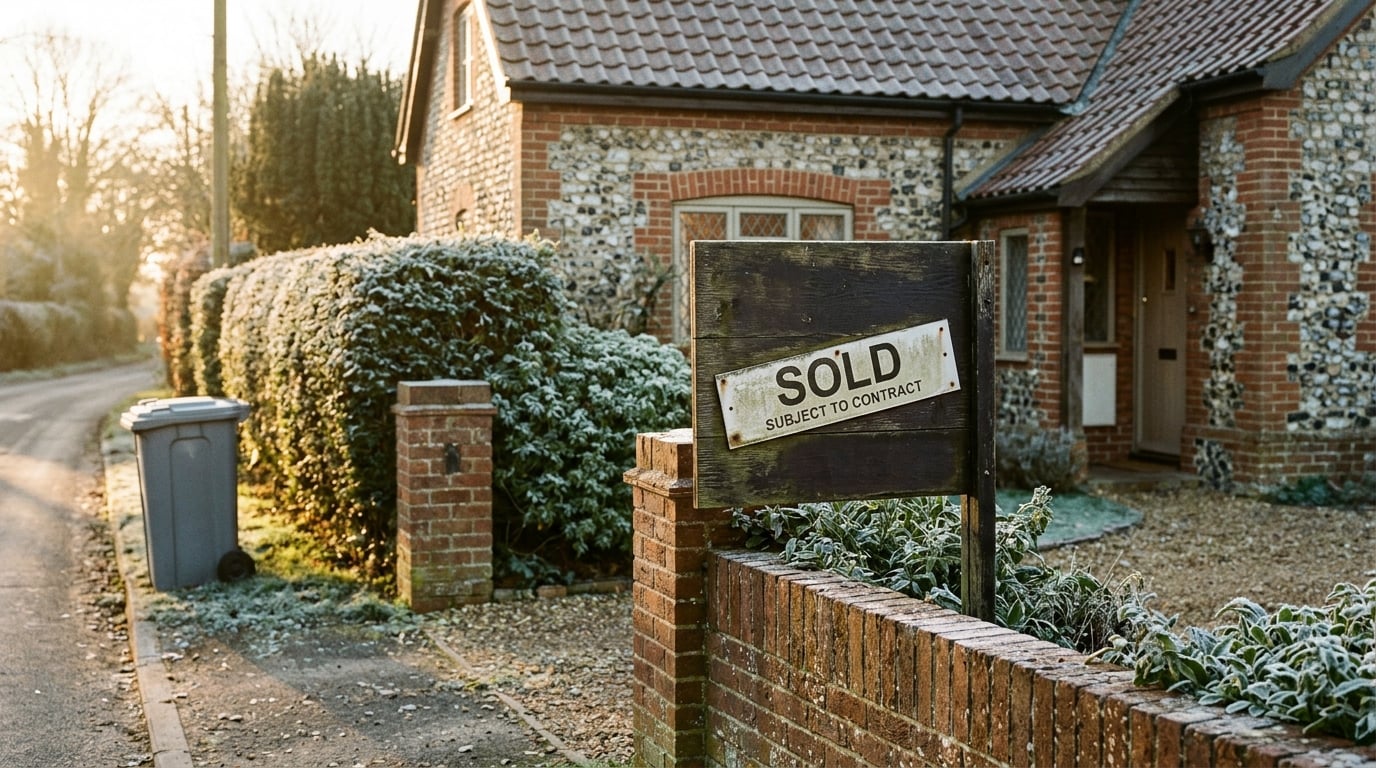
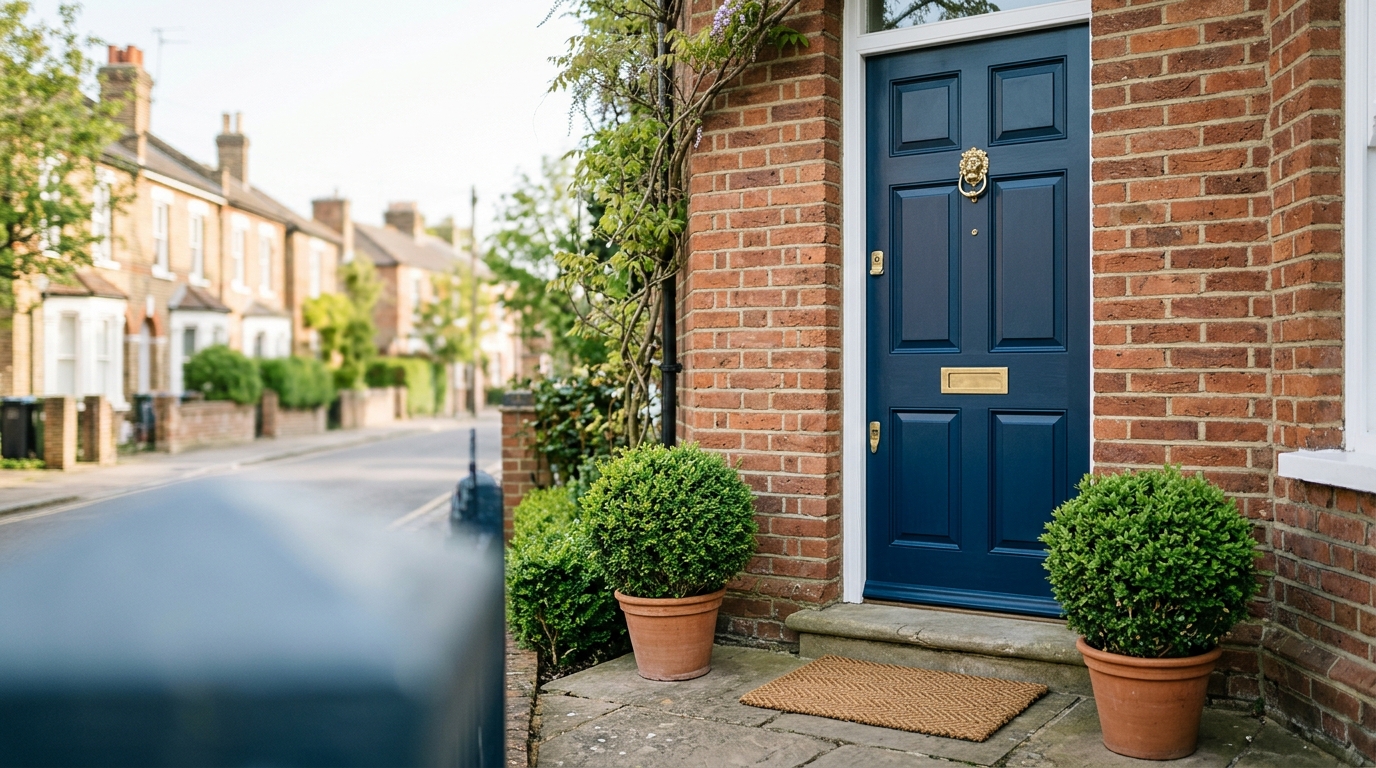
Kerb appeal deserves more attention than most sellers give it. The front of the house is the first thing a buyer sees, often before they have even arranged a viewing, because it appears in every photograph and every drive-by. A tidy drive, a freshly painted front door, clean windows and a mown lawn cost very little but shape the buyer’s expectations for everything inside. If the outside looks neglected, buyers arrive already looking for problems.
Decorating in neutral tones is one of the few jobs that almost always earns back more than it costs. Bold colour schemes and heavy patterns suit the current owner’s taste, but they ask every buyer to do mental work, picturing the room repainted before they can picture themselves living in it. A light, neutral palette lets buyers see the space rather than your decorating choices, and it photographs far better for online listings, which matters given how many buyers now do their first round of judging a property from a screen.
Garden tidying is another high-return task. You do not need landscaping, just mown grass, trimmed hedges, cleared paths and a de-cluttered patio. For homes with any outdoor space, a presentable garden signals that the whole property has been looked after, not just the rooms a buyer walks through.
A full kitchen or bathroom replacement is the classic trap. These are the two most expensive rooms to renovate, and buyers rarely value your choice of units, worktops or tiles the same way you do. Taste is personal, and a brand new kitchen fitted just before sale often reflects the seller’s style rather than what the eventual buyer would have chosen themselves. Unless the existing kitchen or bathroom is genuinely falling apart, with damaged units, broken appliances or failing plumbing, it is usually better to present what you have cleanly and let the price reflect its age, rather than spend tens of thousands on a refit you will not fully recover.
Structural extensions and loft conversions undertaken purely to sell are rarely worth it either. These projects take months, carry planning and building control risk, and tie up money that may not come back within the sale price, particularly if the work is rushed to meet a market deadline. If you have been considering an extension for years and plan to stay, it may add long-term value. If it is being done solely to sell faster, the maths rarely works in your favour.
Expensive landscaping, elaborate garden structures, swimming pools or extensive hard landscaping fall into the same category. They cost a great deal, appeal to a narrower group of buyers, and are highly dependent on taste. A buyer who does not want a pool will not pay extra for one, and may even see it as an added maintenance cost they would rather avoid.
New boilers and central heating systems sit in a grey area. If the current system is working and has been serviced, replacing it before sale is rarely necessary. If it is unreliable, old enough to concern a surveyor, or flagged during any pre-sale checks, then replacing it can prevent a buyer from using it as a negotiating point later. The decision here is about risk management rather than value uplift.
The test that works best is simple: will this improvement remove an objection, or will it simply reflect my personal taste? Cleaning, decluttering, neutral decorating, minor repairs and kerb appeal all remove objections cheaply. Full renovations, major structural work and personal design statements tend to add cost without removing objections, because the next buyer will likely want to make their own choices anyway.
It also helps to think about your property’s price position. A home that will sell close to the average figures seen across this region needs to compete on presentation against dozens of similar listings. A distinctive or higher value property needs a different standard of presentation again, because buyers at that level expect a home that is genuinely move-in ready, not one requiring a list of immediate jobs.
Before spending anything, it is worth asking your estate agent directly which improvements they believe will influence buyer interest and which they think will make no difference to the eventual price. A good agent has seen hundreds of viewings and knows exactly what buyers comment on, positively and negatively, and that insight is more reliable than guesswork or general advice.
Ultimately, the goal is not to make your home perfect. It is to remove the obstacles that stop a buyer from picturing themselves living there, without spending money that will not come back to you at completion. Get that balance right, and you give your property its best chance of standing out among the homes currently competing for buyer attention, without overspending on work the market was never going to reward.