
Every seller asks the same question at some point, usually a few weeks after the excitement of listing has worn off. How long is too long for a house to sit on the market before something needs to change? There is no single answer that applies to every property, but there are clear signs that tell you when a listing has moved from settling in to struggling, and understanding those signs can save you months of frustration.
Across Norfolk and Suffolk, the average home currently takes around 260 days to sell, with roughly 22 percent of listings reaching sold subject to contract status at any given time. Those figures matter because they set a realistic backdrop against which to judge your own property. If your home has been on the market for six weeks and you are already panicking, it helps to know that a slower pace is common in this region, particularly for larger or more distinctive properties. But if your home has passed the regional average without a single offer, that is a genuine signal worth acting on.
Most properties move through three broad phases once they go live. The first is the launch phase, typically the opening two to four weeks, when portal views and enquiries are highest because the listing is new and reaches buyers who have been actively searching and saving alerts. The second is the settling phase, from around four to twelve weeks, when interest naturally tapers but serious viewings should still be happening. The third is the stagnation phase, anything beyond that, when a lack of activity starts to affect how buyers perceive the property, regardless of its actual merits.
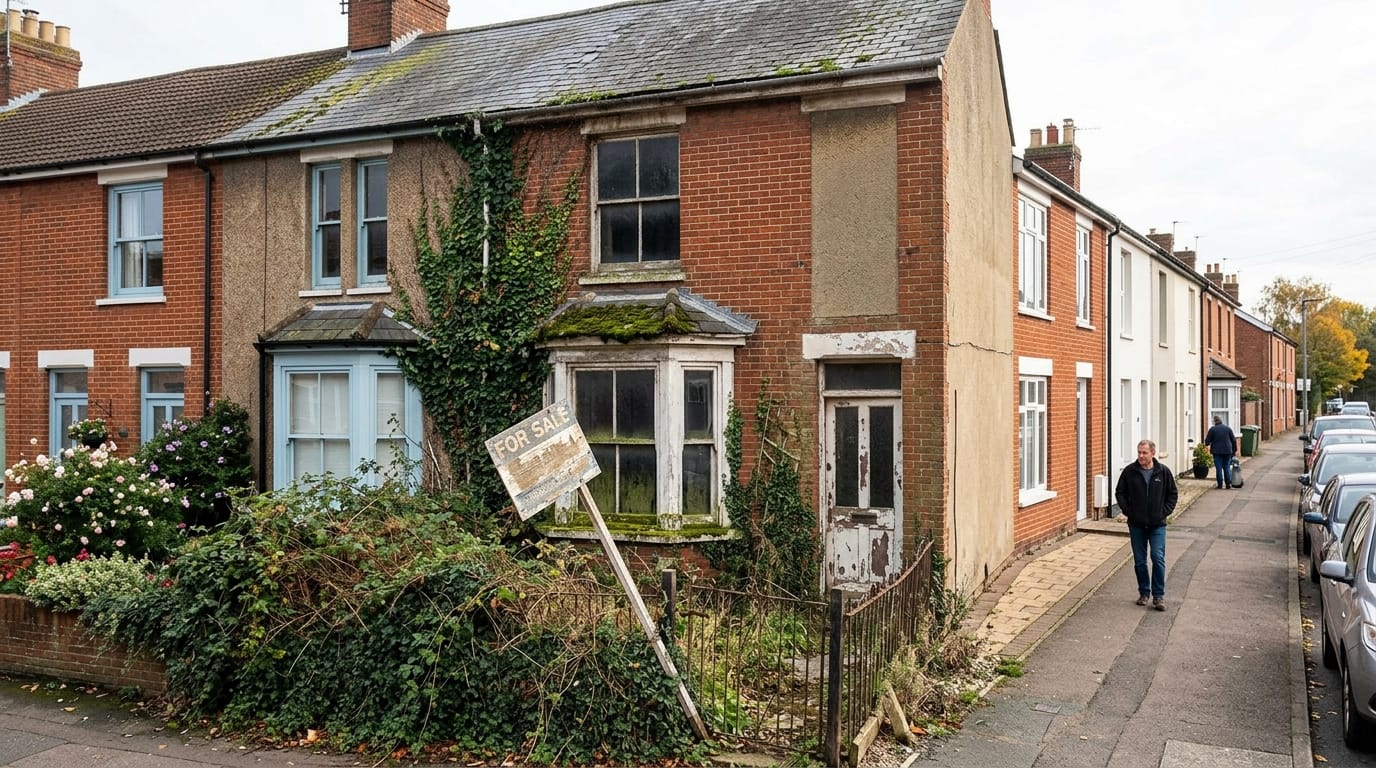
The danger is not the length of time itself. It is what buyers infer from it. A property that has been listed for months without a reduction or any visible change starts to look like damaged goods, even if the reason is simply an overly ambitious price or unlucky timing. Buyers who see a long time on market often assume there is something wrong that they cannot see, and they either lower their offer accordingly or avoid viewing altogether.
Rather than fixating on a fixed number of days, look at three practical measures together. First, how many viewings have you had relative to portal views. If your listing has decent online traffic but few people are booking to see it in person, the problem is usually the price or the photography, not the property itself. Second, how many viewings have converted into offers. Plenty of viewings with no offers points to something buyers are experiencing in person, such as presentation, condition, or a mismatch between price and perceived value. Third, compare your own time on market with similar properties in your immediate area, since some villages and towns naturally move faster or slower than others.
With an average days on market of 260 across the wider region, a single-figure comparison is less useful than looking at your own listing’s trajectory. If enquiries were strong in week one and have gone quiet by week eight, that is a more telling signal than the raw day count.
At the one-month mark, most sellers should have an honest conversation with their agent about enquiry levels, feedback themes, and portal performance. This is not the moment for panic or price cuts. It is the moment for diagnosis. Ask specifically how many people have viewed the listing online, how many have requested a viewing, and what feedback has come back from anyone who has walked through the door. If the answers are vague, that is itself useful information about how closely your agent is managing the campaign.
By two months, patterns should be clear. If viewings have been steady but offers have not materialised, the issue is very likely price relative to condition, or the property is being compared unfavourably against close competitors. If viewings themselves have been sparse, the marketing itself needs scrutiny, including photography, the description, and where the listing sits within portal price bands. This is the point where a modest, well-considered price adjustment or a refresh of the marketing materials tends to be more effective than waiting and hoping.
Three months without a sale is the point at which sellers should ask harder questions. Is the price genuinely aligned with what buyers are willing to pay, or has it been anchored to an earlier valuation that no longer reflects buyer sentiment. Is the agent still actively marketing the home, or has it quietly settled into the background of their portfolio. Given that the average sold subject to contract rate across the region sits at only 22 percent, a property that has stalled for this long is not unusual, but it does mean the strategy needs revisiting rather than simply waiting for the right buyer to appear.
Frequent small price reductions rarely solve the underlying issue and can actually reinforce the impression that something is wrong. A single, well-judged adjustment, timed and explained properly, tends to work far better than a drip-feed of £5,000 cuts that buyers can track on portal history. Refreshing photography, updating the description, and reviewing the price band your home falls into on property portals can also reset visibility to a new pool of buyers who have not seen the listing before. In some cases, taking a property off the market for a short period and relaunching it with new imagery achieves more than a reduction ever would, because it presents to buyers as a new opportunity rather than a stale one.
What rarely helps is inertia. Leaving a listing untouched because a sale might come at any moment is a gamble that gets harder to justify the longer it continues. Buyers researching property history can see how long a home has been listed, and extended time on market without any adjustment tends to work against the seller’s negotiating position rather than in favour of patience.
There is no universal deadline that marks a listing as officially too long. What matters is whether the trajectory of enquiries, viewings, and offers is moving in the right direction. A property that is quiet in week two but picking up by week six is on a healthy path. A property that was busy at launch and has gone silent by week ten needs intervention. Track the pattern, ask your agent for specifics rather than reassurance, and treat any stall as a prompt to review price, presentation, or marketing well before it becomes a much harder problem to fix.