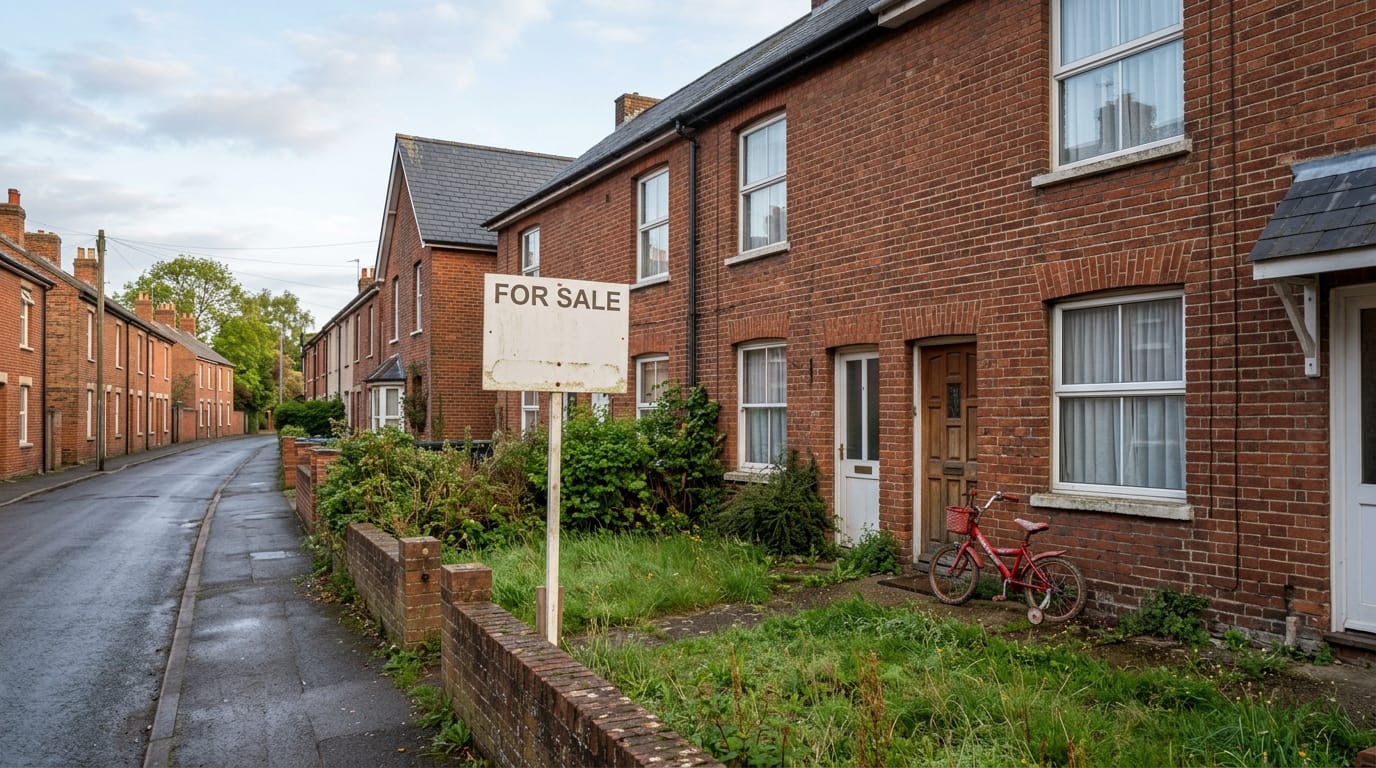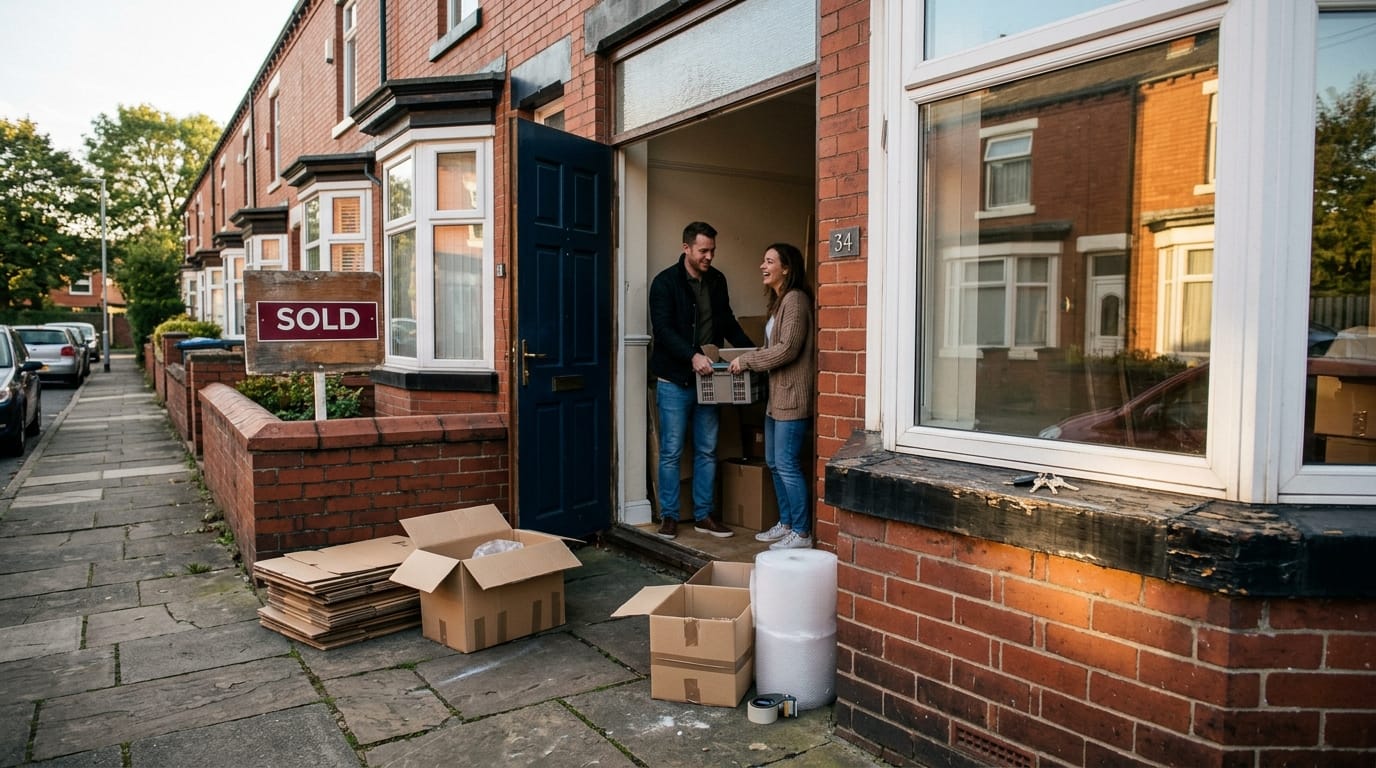
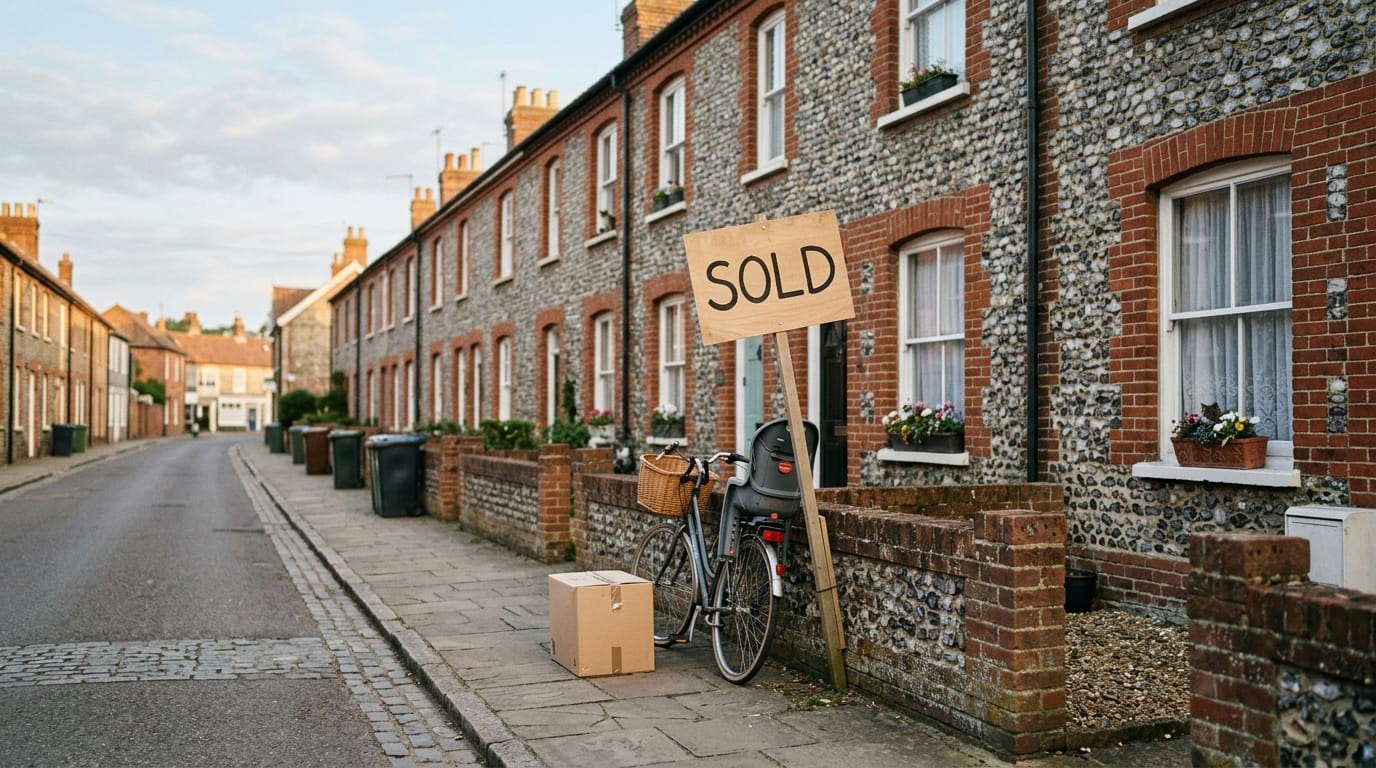

Over 30% of property transactions in England and Wales fall through after an offer is accepted. For sellers of homes worth £1 million or more, that is not just an inconvenience. It is a financial catastrophe.
A collapsed sale at this level does not just cost time. It costs solicitor fees already spent, survey costs already paid, and months of marketing momentum that cannot be recovered. It can cost the onward purchase. It can cost the school term you were planning around. And it almost always costs the asking price, because a relaunched property never carries the same weight as a fresh one.
Most estate agents treat a fall-through as an occupational hazard. Something that happens. Something outside their control.
We disagree.
The reasons are well documented and depressingly predictable.
Gazundering, where a buyer reduces their offer at the last moment. Cold feet, where a buyer simply changes their mind weeks into the legal process. Chain collapses, where someone further up or down the chain pulls out and the entire sequence unravels.
In every case, the seller absorbs the damage. There is no legal obligation on the buyer to proceed. No penalty for walking away. No compensation for the weeks or months of uncertainty the seller has endured.
For a standard property, this is frustrating. For a home worth seven figures, where the pool of buyers is smaller and the stakes are higher, it can set a sale back by six months or more.
A reservation agreement is a legally binding contract signed by both buyer and seller at the point an offer is accepted. Both parties commit a financial deposit, typically £10,000, which is held by an independent third party and protected under FCA regulation.
If either party withdraws without a valid legal reason, the other party keeps the deposit.
That single mechanism changes everything about the period between offer and exchange.
The buyer is financially committed. They are not browsing other properties. They are not waiting to see if something better appears. They have skin in the game.
The seller has certainty. Not a gentleman’s agreement. Not a verbal promise relayed through a negotiator. A legally enforceable commitment backed by real money.
The reservation agreement we use at Ivybridge is not a homemade document or an informal arrangement. It is an FCA-regulated instrument with clear terms.
It specifies the agreed purchase price. It sets a timeline for exchange of contracts. It defines the circumstances under which either party can withdraw without penalty, such as a failed survey revealing structural issues or an inability to secure mortgage finance.
Outside those defined circumstances, withdrawal triggers forfeiture of the deposit. That is the protection. And it works in both directions, the buyer is protected against a seller who decides to accept a higher offer, and the seller is protected against a buyer who gets cold feet.
At higher price points, the consequences of a failed sale are amplified in every direction.
The pool of buyers is smaller. A property at £1.5 million does not have the same volume of interested parties as one at £350,000. Losing a committed buyer may mean waiting months for another.
The costs are higher. Solicitor fees on a £1 million transaction are not trivial. Survey costs, specialist reports, search fees, all of these add up. A collapsed sale can easily cost a seller £5,000 to £10,000 in wasted professional fees alone.
The emotional toll is greater. Selling a significant home is rarely just a financial transaction. It is often tied to a life change, a downsizing, a relocation, a new chapter. Having that put on hold because a buyer walked away is devastating.
And the market perception shifts. A property that returns to market after a failed sale carries a stigma. Buyers wonder what went wrong. They assume there is an issue. The asking price comes under pressure. The agent’s negotiating position weakens.
A reservation agreement prevents all of this by ensuring that both parties are genuinely committed before the legal process begins.
Some agents offer what they call a lock-out agreement, which prevents the seller from accepting other offers for a set period. This sounds similar but is fundamentally different.
A lock-out agreement protects the buyer. It gives them exclusivity while they arrange surveys and solicitors. It does nothing to protect the seller. The buyer can still walk away at any point without consequence.
A reservation agreement protects both parties equally. That symmetry is what makes it effective.
The honest answer is that most agents have never considered it. The industry has accepted fall-throughs as inevitable for so long that the idea of preventing them feels novel.
There is also a practical barrier. Reservation agreements require proper legal drafting, FCA compliance, and a structured process. They require the agent to have a relationship with a regulated provider. They require the agent to explain the concept to both buyer and seller and manage the process.
It is easier to skip all of that and hope for the best. But hoping for the best is not a strategy. Not when your client’s largest financial asset is at stake.
Every sale we handle includes a reservation agreement as standard. It is not an optional add-on or an upgrade. It is built into our Secure Sale process because we believe every seller of a significant home deserves this level of protection.
When an offer is accepted, we guide both buyer and seller through the agreement. The deposit is held independently. The terms are clear. And from that moment, both parties know the sale is real.
It does not eliminate every risk. Genuine issues uncovered during surveys or searches can still derail a transaction, and the agreement accounts for that. But it eliminates the single biggest risk in any property sale: a party walking away because they simply changed their mind.
Before you accept an offer on your home, ask your agent one question: what happens if the buyer pulls out?
If the answer is “we find another buyer,” that is not protection. That is starting again.
If the answer is “we have a legally binding reservation agreement in place,” that is a fundamentally different conversation.
Your home deserves that level of certainty. So do you.
If you are considering selling a significant home in Norfolk or Suffolk and want to understand how our reservation agreement would work for your specific situation, request a Property Pricing Brief or call us on 01603 369977.