When a property sits unsold for weeks, most sellers jump straight to one explanation: the agent isn’t trying hard enough. Sometimes that’s true. More often, the real cause is a mix of price, presentation and marketing that needs untangling piece by piece. Getting this diagnosis right matters, because fixing the wrong problem wastes time and can make a property look even less appealing to buyers who have seen it sit there, unchanged, month after month.
Across Norfolk and Suffolk, the average asking price currently stands at £303,252, against an average sold price of £304,258 over the past 12 months. Those two figures sitting close together tells you something useful: in a well-functioning market, asking prices and achieved prices are not far apart. If your own asking price is drifting a long way above that kind of relationship for homes of a similar type and condition, price is probably your first suspect, not your agent and not your sofa cushions.
Price is the easiest thing to test objectively, so test it first. Pull together recent sold prices for genuinely comparable homes, not just asking prices, which only tell you what sellers hoped for. Land Registry data covering the past 12 months showed an average sold price of £304,258 across this region, but that average also reflects a year-on-year fall of 1.1%. A valuation based on last year’s market, or on a neighbour’s asking price rather than their sold price, can leave a property priced for a market that has already moved on.
A useful rule of thumb: if your property has had plenty of enquiries and viewings but no offers, price is rarely the problem, because buyers are clearly interested enough to look. If your property has had very few enquiries at all, especially in the first fortnight after launch, price is usually the first thing to question, because pricing is what determines whether buyers click through in the first place.
Online portals generate three separate signals, and sellers often only look at one. Views tell you whether your price and headline photo are pulling people in. Enquiries tell you whether your description and photo set are convincing people to take the next step. Viewings booked tell you whether people who enquire actually follow through. A property with strong views but weak enquiries usually has a presentation problem in the listing itself, not a marketing reach problem. A property with strong enquiries but weak viewings may have an availability or responsiveness issue that sits with the agent, not the house.
It’s also worth putting your own situation in context. Across this region, 37.3% of the 24,290 homes currently on the market are already sold subject to contract. That means the majority of homes for sale have not yet found a buyer at the point this was measured, so being unsold after a few weeks is not automatically unusual. What matters more than how long a listing has been live is how your enquiry and viewing numbers compare with similar homes nearby, which your agent should be able to tell you from their own records.
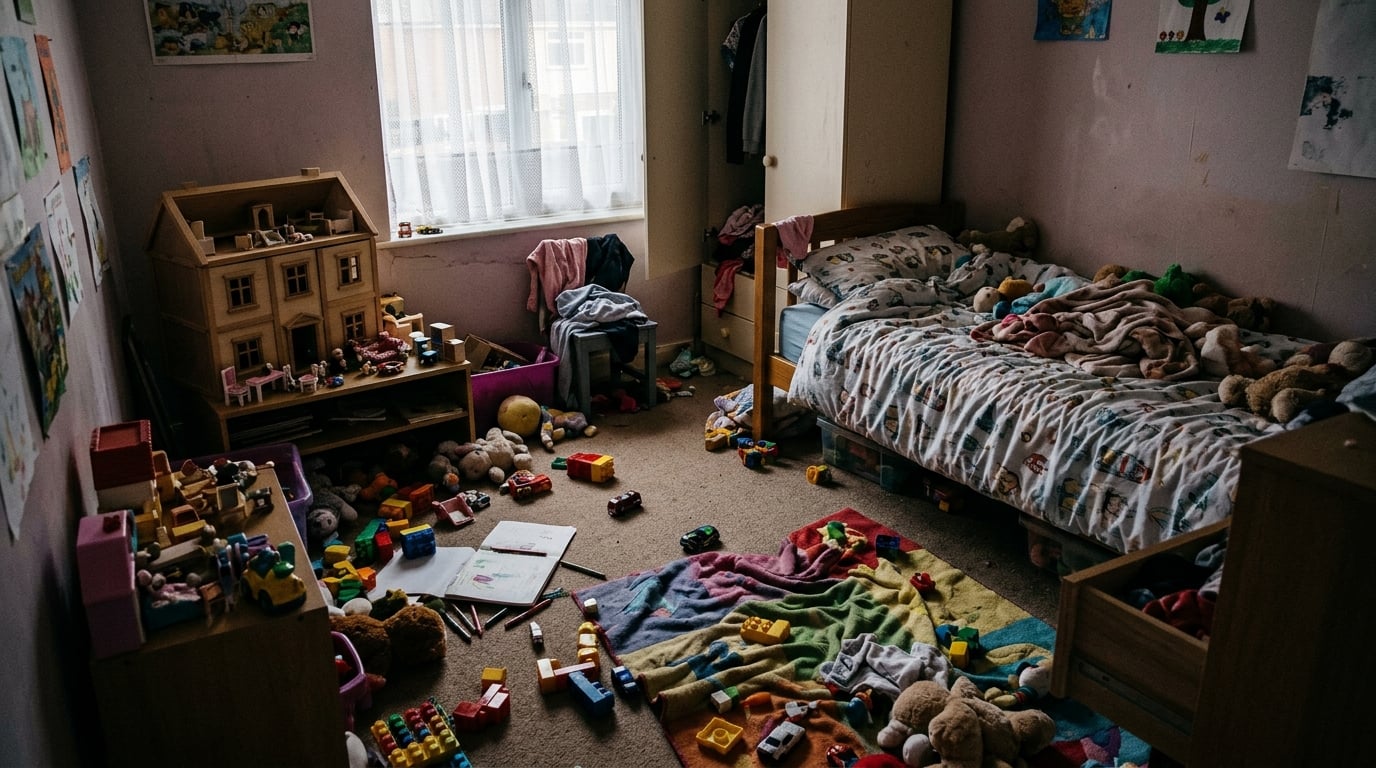
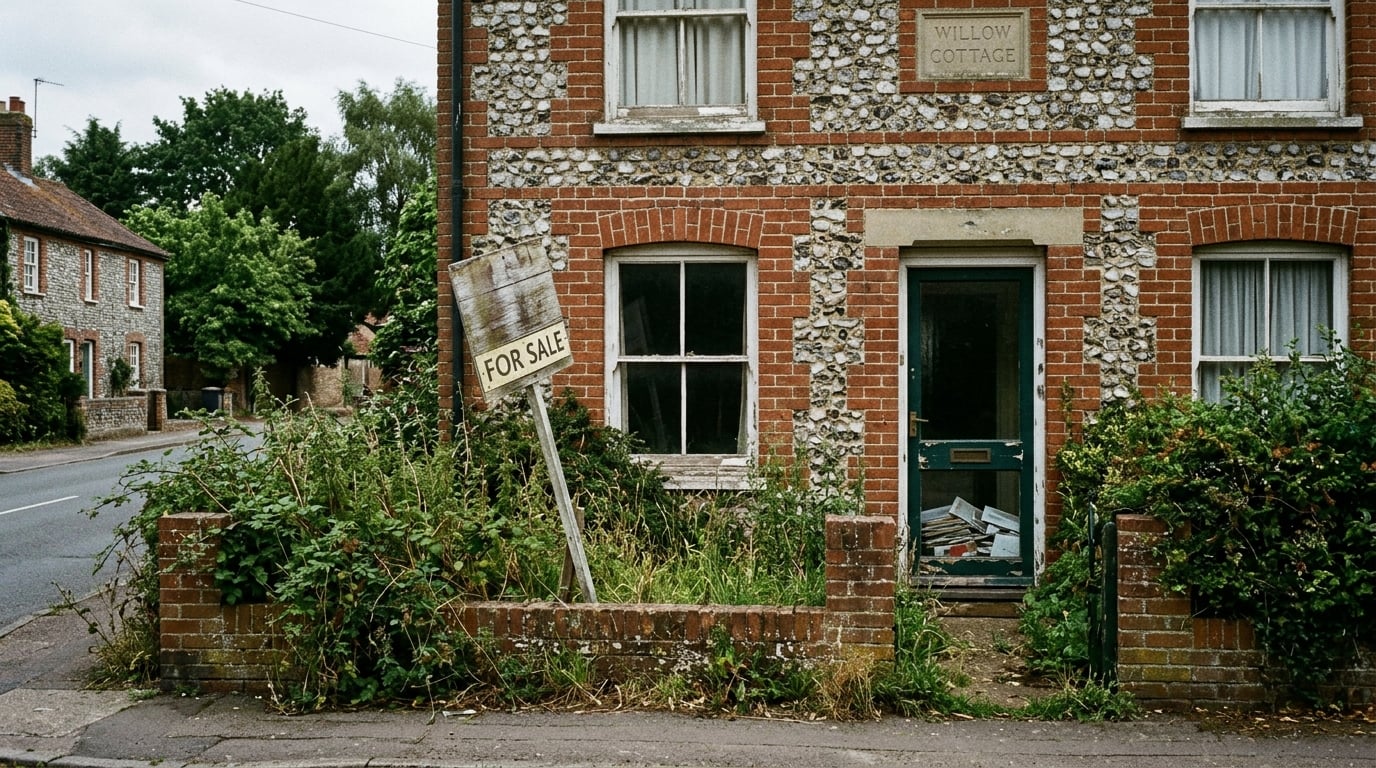
Presentation problems are usually obvious once you look at your own listing as a stranger would. Open the photos cold, as if you had never seen the house, and ask what impression the first three images give. Buyers decide quickly whether a property feels cared for, and that judgement happens before they read a single word of the description. Common presentation faults are not expensive to fix: cluttered surfaces, poor lighting in photographs, an unmown garden in the hero image, or a floorplan that is missing entirely. None of these require major spending, but all of them affect click-through rates and viewing conversion.
The distinction that matters here is between a presentation problem and a genuine condition problem. A dated kitchen or a garden that needs landscaping is a condition issue that affects value, and no amount of styling will change what buyers think it is worth. A messy, poorly lit listing of a perfectly good house is a presentation issue, and it is entirely fixable without touching the bricks and mortar.
It’s tempting to blame the agent whenever a sale stalls, but the fair way to test this is to ask for specifics rather than rely on a feeling. How many viewings have taken place, and how many enquiries did not convert into a viewing at all? What feedback has been passed on after each viewing, and was it detailed or vague? Has the property been remarketed to the agent’s own database of registered buyers, not just left to sit on the portals? Has anyone suggested a price review, and on what evidence?
A good agent should be able to answer all of these without hesitation. If they cannot explain where interest has come from, what buyers said, and why the price remains right, that silence is itself useful evidence. It does not automatically mean the agent is at fault, but it does mean you cannot yet rule them out as the explanation.
Most stalled sales are not caused by one single failure but by two problems compounding each other. A property priced slightly too high will still generate interest if the photography is excellent and the agent is proactive, because strong presentation buys you some pricing tolerance. The reverse is also true: a fairly priced property with poor photography and a passive agent can sit unsold for longer than it should, purely because buyers never get far enough to judge the price fairly.
The practical way to separate these threads is to review the evidence at set points rather than constantly second-guessing. After roughly 30 days, check views and enquiries against similar properties. After 60 days, check viewing-to-offer conversion and the quality of feedback. After 90 days, if none of those numbers have moved, it is reasonable to ask whether the price needs adjusting, whether the listing needs a refresh of photography and description, or whether it’s time for a direct conversation with your agent about their marketing plan.
Treat each stage as a diagnostic step rather than an emotional reaction. A property that has had forty viewings and no offers is telling you something different from a property that has had three viewings and no offers, even though both feel equally frustrating to live through. Reading that evidence correctly, rather than jumping to the first explanation that comes to mind, is what allows sellers to fix the actual problem rather than the one that happens to be easiest to blame.