
Tents now line the Puerta del Sol in central Madrid. For over a week, hundreds of demonstrators have camped across the stone plaza, driven onto the pavement by soaring rents and the sudden eviction of vulnerable long-term tenants. The flashpoint arrived with the death of 87-year-old Maricarmen Abascal, who was evicted from her home after an investment fund acquired the building and raised the rent beyond her means. Though public outrage forced the firm to reverse course, Abascal died in hospital before she could return. Her story has turned an acute economic frustration into a nationwide political crisis.
The anger in Madrid reflects a market squeezed beyond endurance. According to figures from property portal Idealista, average rental costs across Spain have leapt 84% over the past decade. In tourism hubs, the escalation has been far worse. Rents in the centre of Málaga have climbed 113%, while Marbella has experienced an extraordinary jump of nearly 150%. Spain’s Centre for Sociological Research found that housing is now the single greatest concern among ordinary citizens.
Protesters point squarely at corporate buyers and short-term holiday platforms. Demonstrators such as 21-year-old Pierina Nicuray highlight an acute lack of permanent homes, compounded by landlords switching stock to short-term visitor rentals. Jorge Moreno, a 19-year-old student living in the Puerta del Sol camp, blames corporate buyers for hiking charges to clear out domestic tenants. Socialist Prime Minister Pedro Sánchez attempted to rush through emergency reforms to curb speculative institutional ownership. Congress rejected the measures, prompting Sánchez to call a snap general election for next month.
The standoff in Spain illustrates the volatile politics of housing throughout Europe. When institutional funds acquire residential portfolios, local tenants often find themselves priced out of neighbourhoods they have inhabited for decades. In tourist markets, short-term lets eat away at the remaining supply of long-term accommodation. The result is a dual market where mobile capital competes directly against local wages.
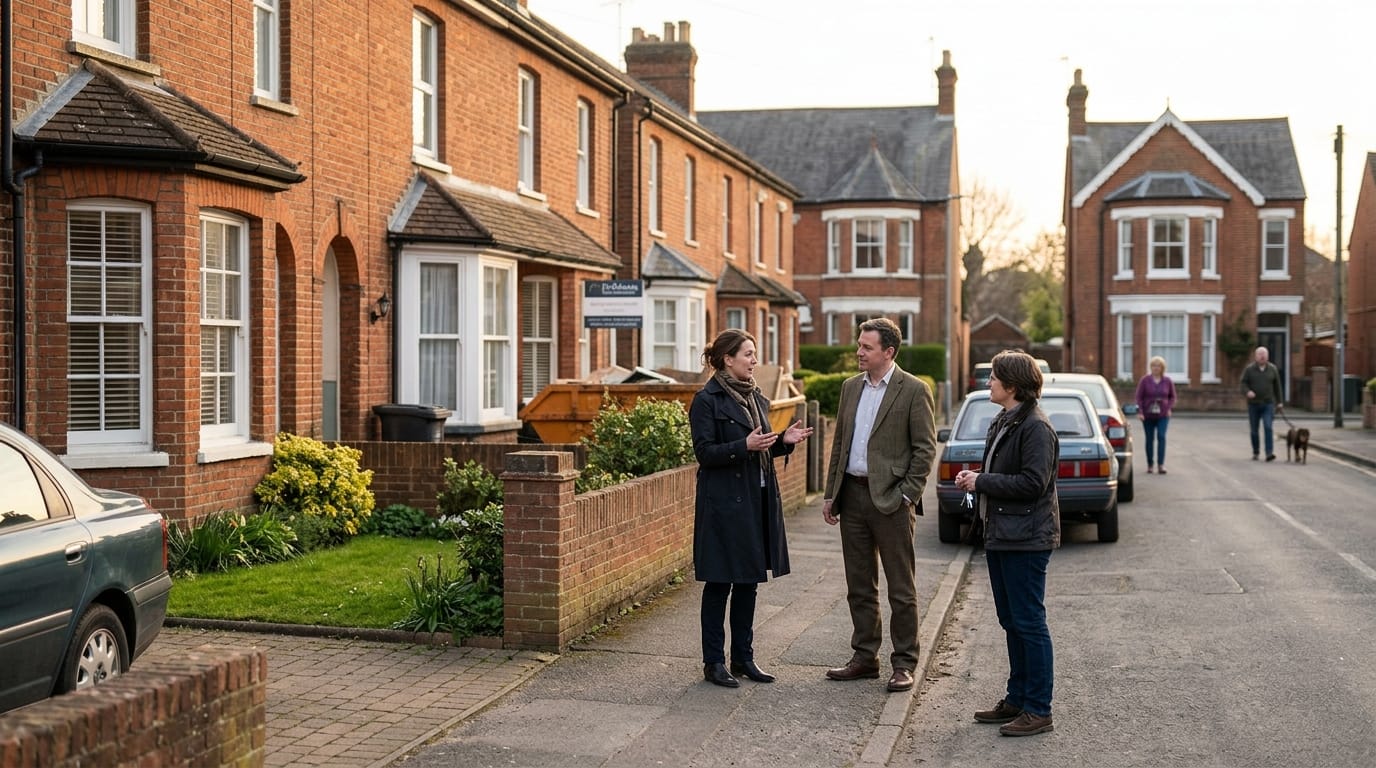
The protests in Madrid feel distant from the coastal towns and market villages of Norfolk and Suffolk, yet the underlying pressures rhyme closely. Coastal communities across East Anglia have spent years dealing with their own balance between seasonal visitor lets and resident housing. In north Norfolk and along the Suffolk coast, the concentration of holiday lets and secondary residences has similarly drained the supply of long-term rental accommodation for young workers and local families.
The mechanics differ, but the tension between local earnings and capital investment remains identical. In Spain, institutional funds bought up distressed urban housing stock following the 2008 banking collapse, eventually raising rents as the economy recovered. In rural and coastal England, private equity funds and wealthier individual buyers from urban centres relocated capital into provincial real estate. That shift left local wages disconnected from underlying property costs.
Yet East Anglia also demonstrates what happens when market momentum runs out of road. In our regional market, homes now take an average of 261 days to sell. That lengthy marketing cycle is not a sign of healthy liquidity. It reflects an uneasy gap between what sellers expect to receive and what prospective buyers can realistically afford. While Spanish rents continue to accelerate upwards on sheer undersupply, parts of our regional sales market have simply ground to a prolonged halt.
The tragedy of Maricarmen Abascal has forced a conversation across Europe about the social obligations tied to residential bricks and mortar. Spain is not the only country where governments struggle to balance private property rights with the need for shelter. In the UK, successive policy shifts on holiday home taxation, council tax premiums on empty homes, and rental sector reforms have all attempted to address the same imbalance.
Intervention without new building often creates unexpected distortions. In Spain, private landlords pulled properties from the open market in anticipation of rent control caps, which tightened supply and drove rents even higher for open listings. Carmen Pérez, an Ecuadorian retiree who has lived in Spain for 17 years, noted that every available home now commands an impossible waiting list. Pérez was forced to move into her daughter’s home after being priced out entirely.
In Norfolk and Suffolk, market resistance has shown up through friction rather than political protest. Buyers are unwilling to pay historic premiums, while sellers are reluctant to accept discounts, leaving stock sitting for nearly nine months before completing. The transaction rate slows down, domestic mobility falls, and young buyers defer setting up independent households. The UK market shows that capital cannot dictate prices indefinitely without running into the hard ceiling of local household incomes.
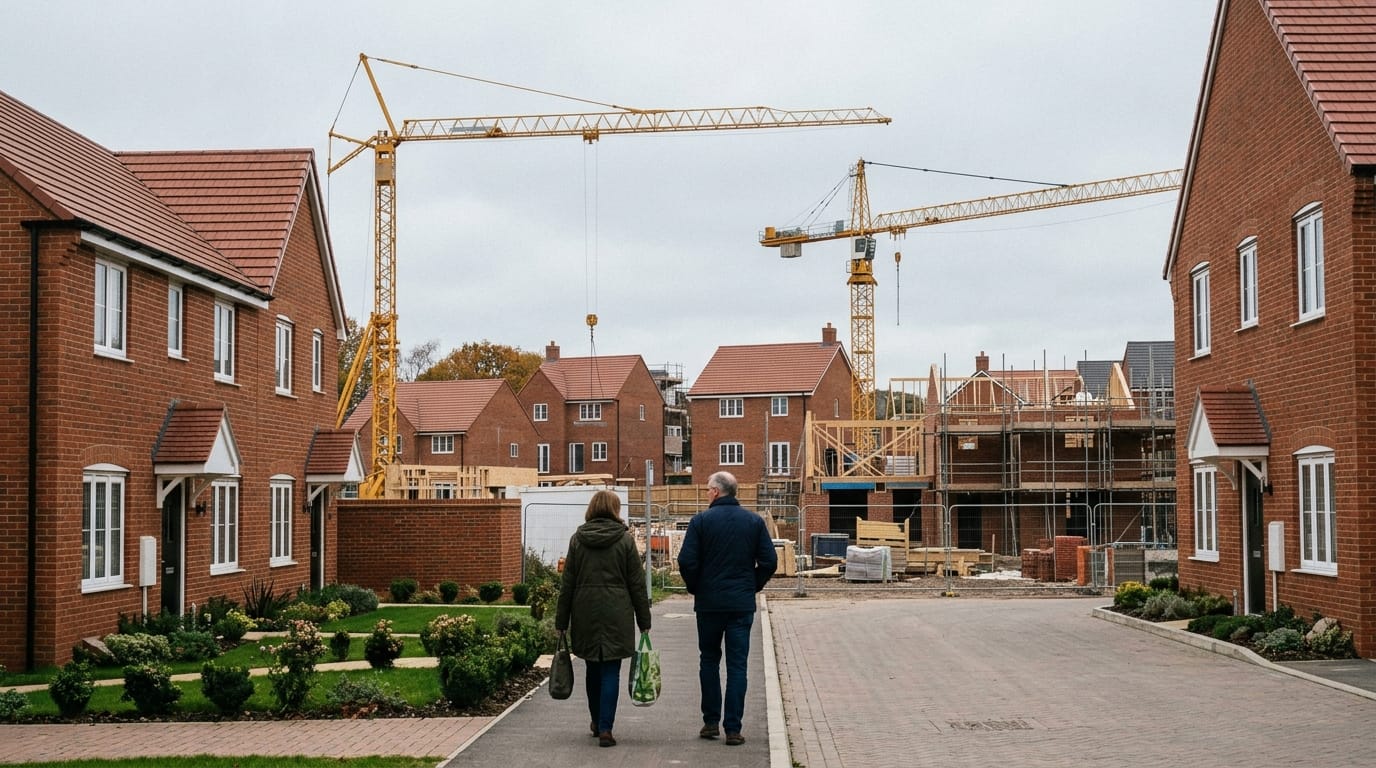
What the tent city in Madrid reveals is that housing cannot be treated purely as a yield vehicle without sparking sharp social backlash. The Spanish experience demonstrates the risks of relying on institutional capital to solve urban shortages without protecting incumbent residents. Whether the impending Spanish election delivers effective regulatory limits or further political gridlock, the core problem remains a basic physical deficit of homes.
For owners and buyers across East Anglia, the lesson is clear. Unsustainable price leaps inevitably trigger either severe policy retaliation or market paralysis. Balanced markets require genuine domestic affordability alongside healthy returns. As Madrid prepares for an election defined entirely by rent, regional housing markets across Britain must face up to their own persistent imbalances between asset values and local livelihoods.