
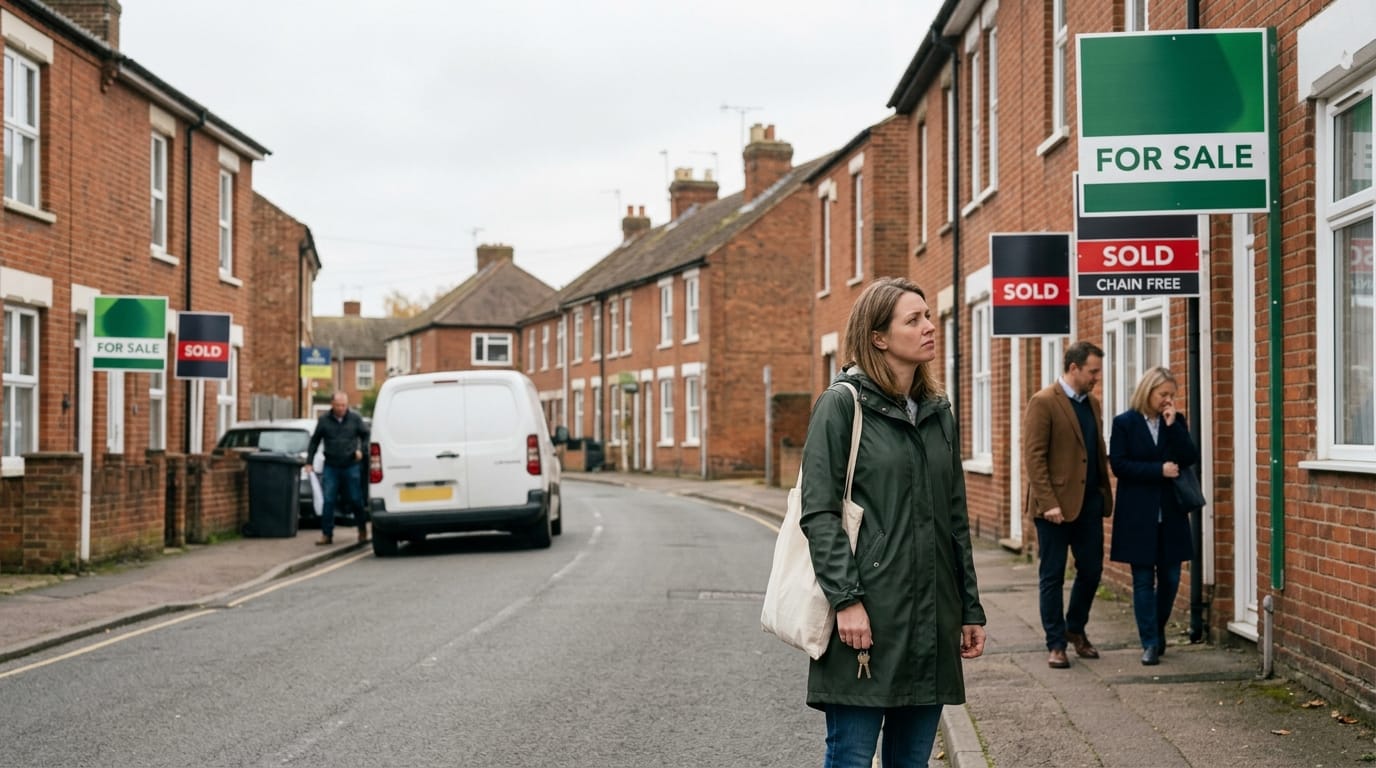
A major national broadsheet recently opened its columns to public enquiries, seeking to document the acute dilemmas confronting renters, buyers and vendors across the country. The initiative underscores a wider public anxiety that has quietly taken hold across the UK housing landscape. From protracted sales chains and escalating private tenancy disputes to sudden affordability checks, the everyday mechanics of moving home have grown notably fraught.
Behind these public dilemmas lies a persistent drag on residential turnover. In regional enclaves across Norfolk and Suffolk, the friction is felt directly by households attempting to trade up or downsize. According to local market data tracking 31 distinct regional areas, properties now spend an average of 271 days on the market before finding a buyer. That represents roughly nine months of marketing, negotiation and quiet waiting.
For many sellers, this extended marketing duration translates into substantial uncertainty. Chains falter under the weight of administrative delay, renegotiated offers and mortgage reassessments. Across the same local sample, the proportion of stock marked sold subject to contract stands at just 26%. More than seven out of ten marketed homes remain actively listed, leaving vendors to weigh pricing adjustments against the risk of stagnation.
The sluggish pace of sales has brought price growth to an outright standstill. Across Norfolk and Suffolk, average headline values sit at £696,906, yet year-on-year price changes have flattened to exactly 0.0%. This absolute zero change illustrates a market caught between resilient asking prices and cautious buyer sentiment.
Sellers entering the market often anchor their expectations to previous peak valuations. Buyers, constrained by higher borrowing costs and broader household expenditure, cannot stretch further. The result is an impasse where neither side yields quickly. When a transaction does progress, the timeline to exchange drags out, giving rise to precisely the kinds of contractual disputes and personal anxieties currently filling national newspaper mailbags.
The difficulties documented in the wider UK housing market do not stop with prospective buyers. The pressures in the sales market spill directly into the private rental sector. When aspiring first-time buyers cannot bridge the gap to ownership, they remain within rented accommodation for longer periods. That persistent demand tightens private stock and elevates tensions between landlords and tenants over property maintenance, rent adjustments and lease terms.
Conversely, accidental landlords, who opted to let homes they could not sell during earlier market downturns, face their own challenges. Managing compliance, tenant expectations and fluctuating yields has proved demanding. Many landlords now contemplate exiting the sector, yet finding a buyer for a tenanted dwelling or selling into a market where homes take 271 days to agree terms offers little immediate relief.
Navigating these conditions requires a clear break from historic assumptions. For property owners across East Anglia, understanding that a quarter of the market is securing buyers while three quarters remains unsold is vital. The minority of homes achieving subject-to-contract status are invariably priced to reflect immediate local demand rather than aspirational figures from previous seasons.
Patience remains essential, but patience without realistic pricing often leads to properties growing stale on the portals. As national enquiries illustrate, moving home is rarely a purely financial calculation; it is tied to schooling, employment, retirement and changing family needs. Protracted transaction times exact a real personal toll on everyone involved in the chain.
East Anglia continues to retain enduring lifestyle appeal, drawing interest from buyers seeking space, community and coastal links. Even so, the coming months will test the discipline of vendors and purchasers alike as both sides adapt to longer marketing horizons and unyielding price levels.