

Most sellers spend the days before a viewing tidying surfaces, plumping cushions and lighting candles.
These things help. But they are not what buyers remember most.
After walking hundreds of buyers through distinctive homes across Norfolk and Suffolk, we have noticed a pattern. The details that shape a buyer’s opinion are rarely the ones sellers worry about.
Understanding what actually registers with buyers can help you prepare your home in a way that feels natural and creates a lasting impression.
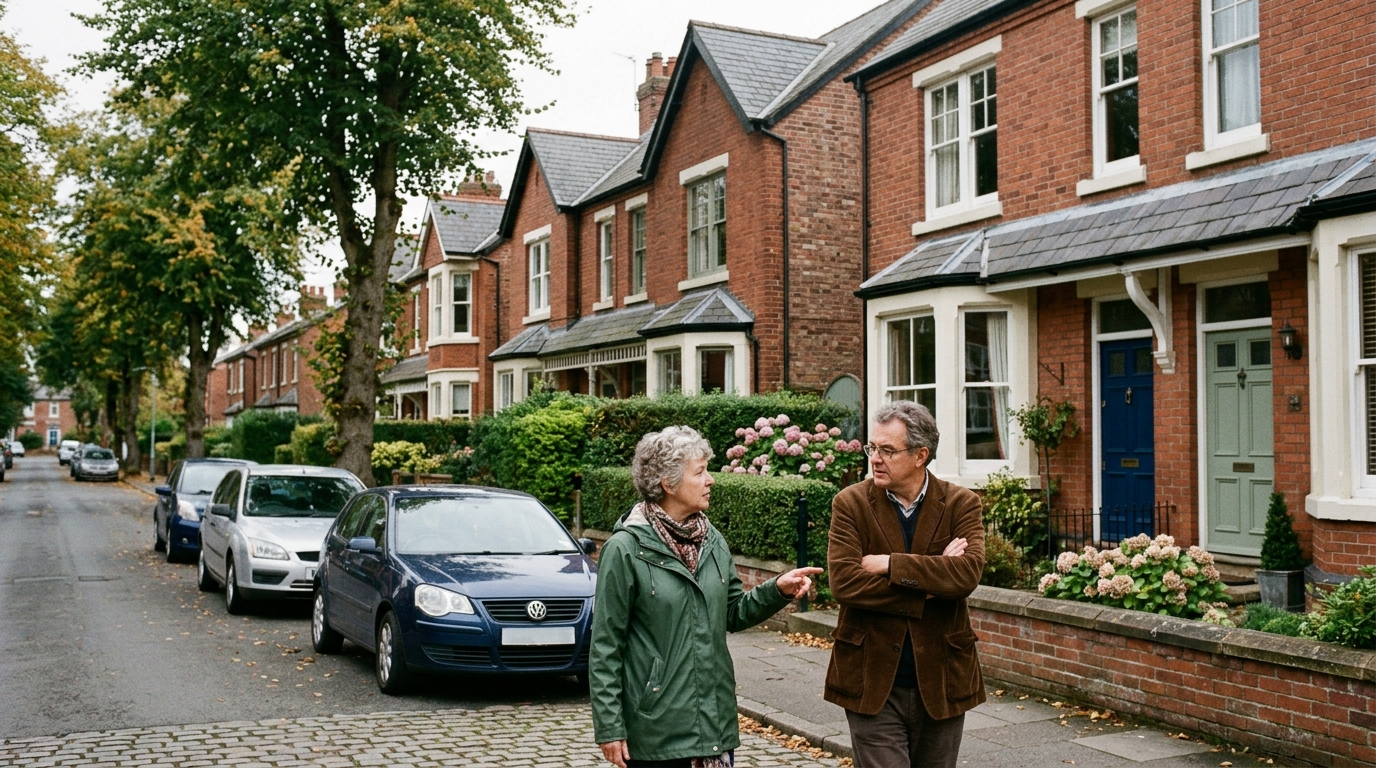
Buyers begin forming opinions before they step inside.
The condition of a driveway, the look of a front garden and the state of a front door all contribute to an immediate emotional response. A crumbling path, peeling paint or an overgrown hedge does not go unnoticed, even when the interior is beautifully presented.
First impressions are difficult to reverse once established. A buyer who arrives feeling uncertain about the exterior will often view the interior through a more critical lens.
Spending a weekend refreshing the entrance, cleaning the pathway and ensuring the frontage looks sharp is one of the simplest things a seller can do. It costs very little but changes the emotional starting point of every viewing.
Buyers rarely comment on lighting directly. But they feel it.
A bright, naturally lit room feels larger, warmer and more inviting. A room with closed blinds or heavy curtains immediately feels smaller and less appealing, regardless of its actual dimensions.
Before a viewing, open every curtain and blind. Clean the windows if they need it. Remove anything blocking light from entering a room.
In winter months, when daylight is limited, ensure every lamp and overhead light is switched on before the buyer arrives. Warm lighting creates atmosphere. Dark rooms create doubt.
This one surprises most sellers.
Buyers will rarely say that a home smelled wrong. But they will say that “something didn’t feel right” or that the property “wasn’t for them.” Often, the real reason was a subtle odour they could not quite place.
Pet smells, cooking aromas, damp and even strong air fresheners can all create an unconscious barrier. The most effective approach is a neutral, clean scent throughout the home. Fresh air from open windows, clean carpets and laundered soft furnishings make a significant difference.
Avoid heavy artificial fragrances. Buyers notice when a home is trying too hard to mask something, and it raises questions rather than answering them.
Buyers spend more time studying the kitchen than almost any other room.
They open drawers. They look at worktops. They check the condition of appliances and notice grouting, sealant and the areas around sinks.
A kitchen does not need to be new to impress a buyer. But it does need to look cared for.
Stained grout, limescale on taps, cluttered worktops and worn drawer handles all suggest a home that has not been maintained with attention to detail. Replacing tired handles, re-grouting tiles and thoroughly cleaning every surface can transform how a kitchen is perceived.
Buyers are not just looking at the kitchen itself. They are asking a deeper question: if this room has been neglected, what else might have been overlooked?
Buyers frequently open wardrobes, cupboards and storage areas during viewings.
When these spaces are packed full, the message is clear: this home does not have enough storage. Even if the actual storage is generous, overcrowded cupboards create the opposite impression.
Before viewings, reduce the contents of wardrobes and cupboards by at least a third. Store overflow items in the garage, loft or a temporary storage unit.
The goal is not to create a show home. It is to allow buyers to see the potential of the space without being distracted by your belongings.
Bathrooms are one of the first rooms where buyers assess the true condition of a property.
Mould around silicone seals, discoloured grout, dripping taps and tired towels all shape perception. A bathroom that feels fresh and well maintained reassures buyers. A bathroom that feels tired raises concerns about hidden problems elsewhere.
Fresh white towels, clean mirrors, new sealant and a spotless shower screen go a long way. These are small investments that significantly influence how a buyer feels about the home overall.
A cracked tile. A door that does not close properly. A patch of flaking paint on a ceiling.
Individually, none of these things should derail a sale. But collectively, they create an impression of a home that needs work.
Buyers mentally add up every small repair they notice. By the end of a viewing, those small jobs can feel like a significant burden, and that burden gets factored into any offer.
Addressing minor repairs before marketing begins removes this mental arithmetic entirely. The buyer sees a home that has been looked after, and that confidence often translates into a stronger offer.
Norfolk buyers in particular place enormous value on outdoor space.
A garden does not need to be immaculate. But it does need to feel intentional. Mown lawns, trimmed hedges, clear pathways and a sense of care all contribute to the impression that the garden is a usable and enjoyable space.
An overgrown garden, even one with beautiful planting beneath the surface, creates a sense of work and cost that puts buyers off.
If time is limited, focus on the areas visible from the main living spaces. A tidy view from the kitchen or sitting room window is worth more than a perfectly manicured far corner that nobody sees during a viewing.
None of these details are about deceiving buyers or disguising problems.
They are about presenting your home honestly and at its best.
Buyers who feel positive during a viewing are more likely to return for a second visit, more likely to make an offer and more likely to offer a price that reflects the true value of the home.
Buyers who feel uncertain, even for reasons they cannot fully explain, tend to walk away or offer less.
At The Ivybridge Collection, preparing a home for market is one of the most important conversations we have with our clients. Every detail matters, and the details that matter most are often the ones sellers overlook.
If you are thinking about selling and want an honest assessment of how your home might be perceived by buyers, we are always happy to visit and share our thoughts. No obligation, no pressure. Just a conversation about what your home could achieve with the right preparation.